Unfortunately, this artwork cannot be added to the room view.


Rafael Neff is interested not only in what a motif or material is, but in what it can become. For more than two decades, he has turned his attention to things whose true quality often only reveals… Read more
Bio Exhibitions Interview

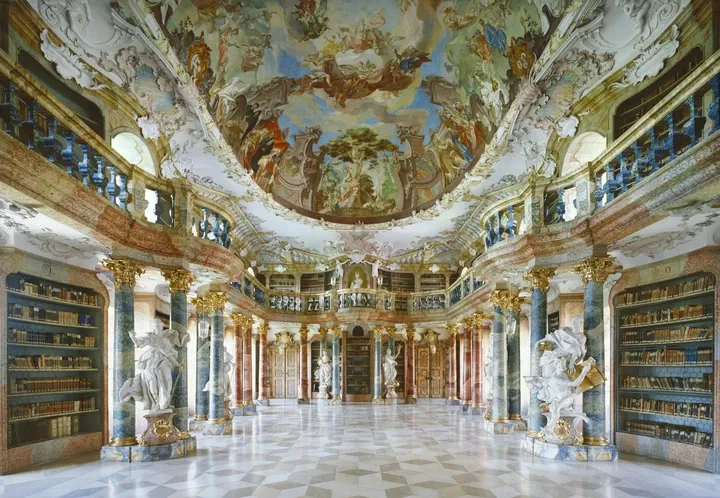
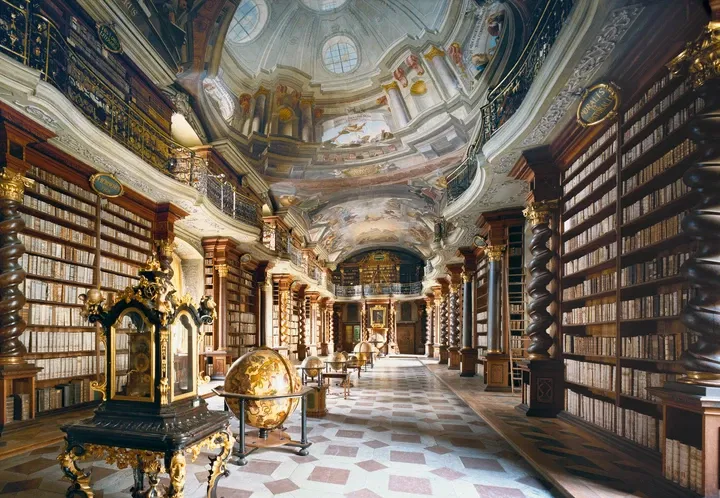
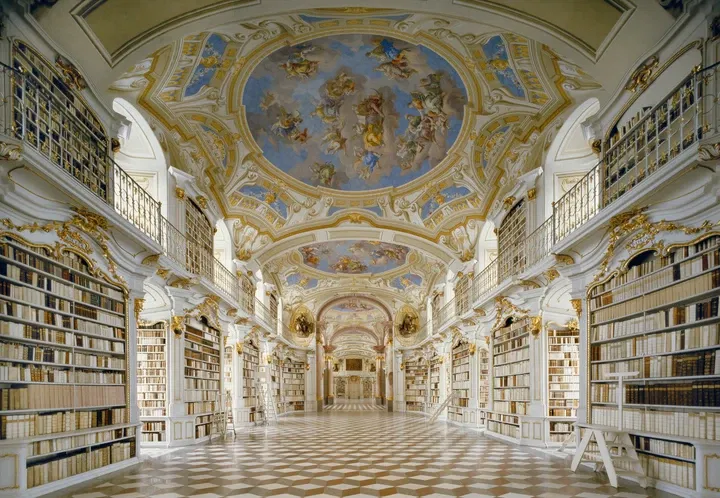
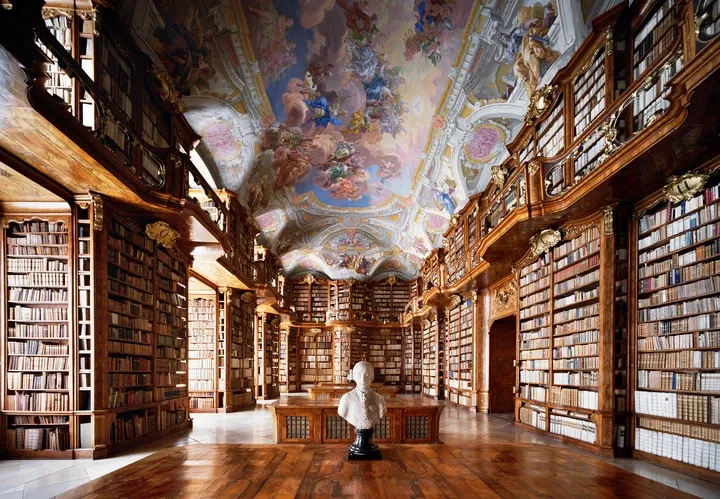
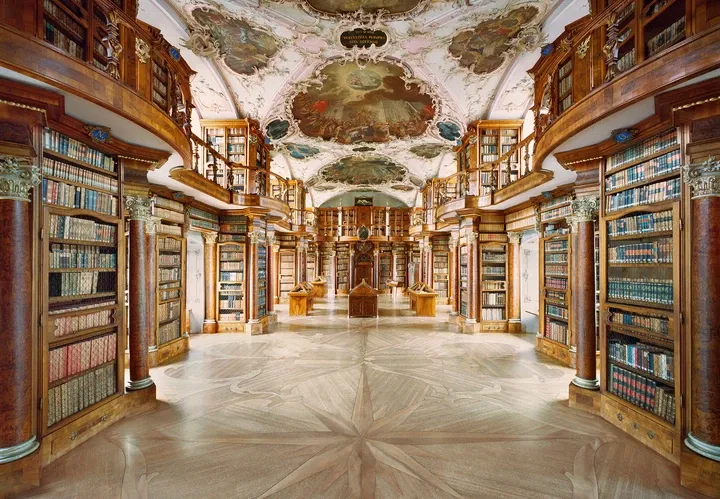
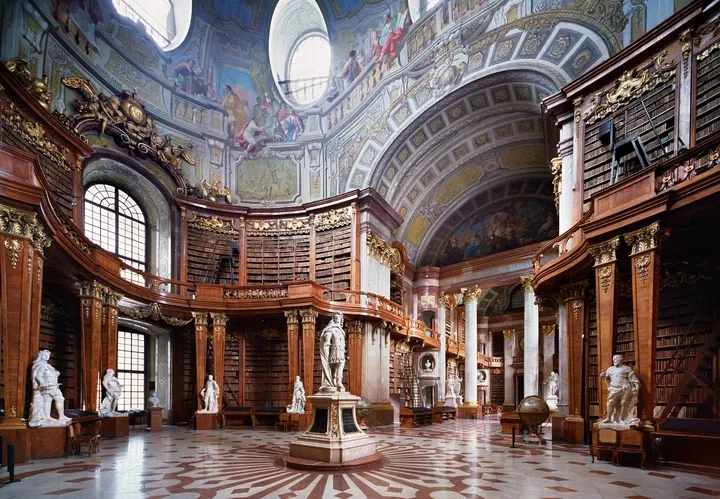
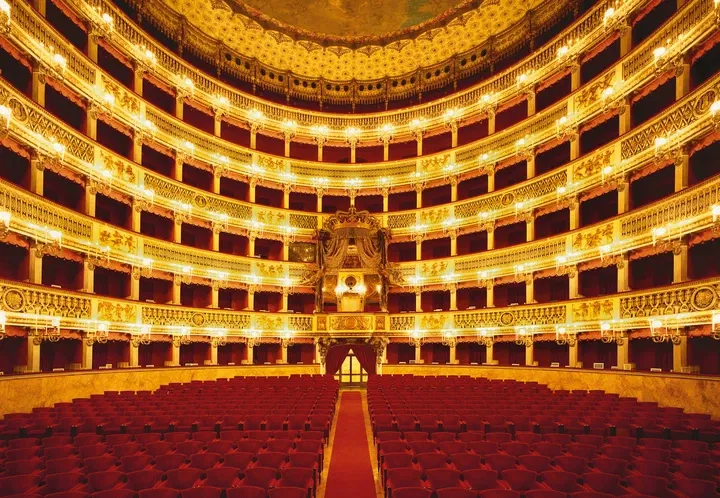
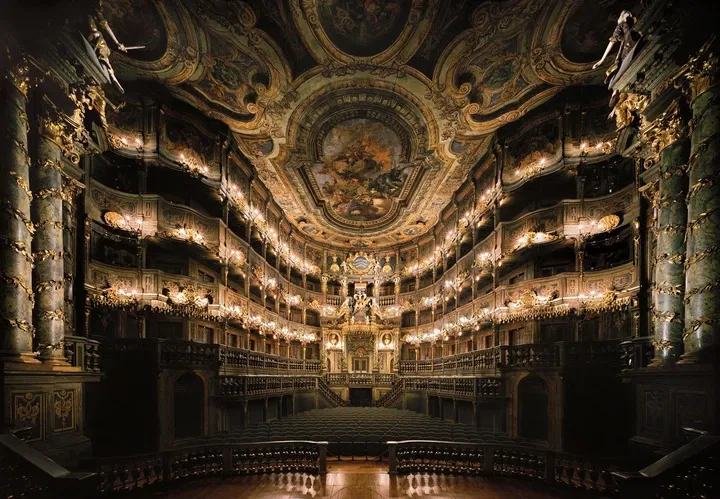
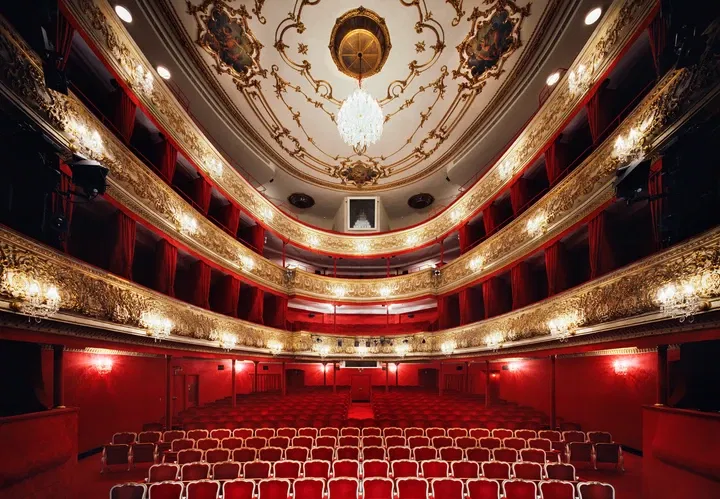
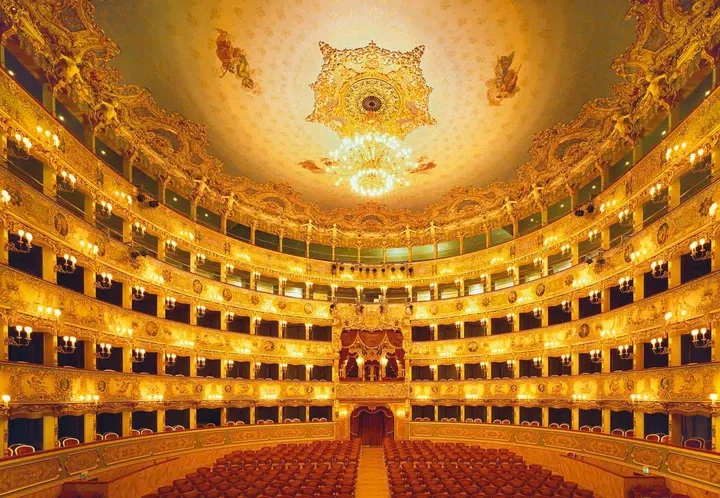
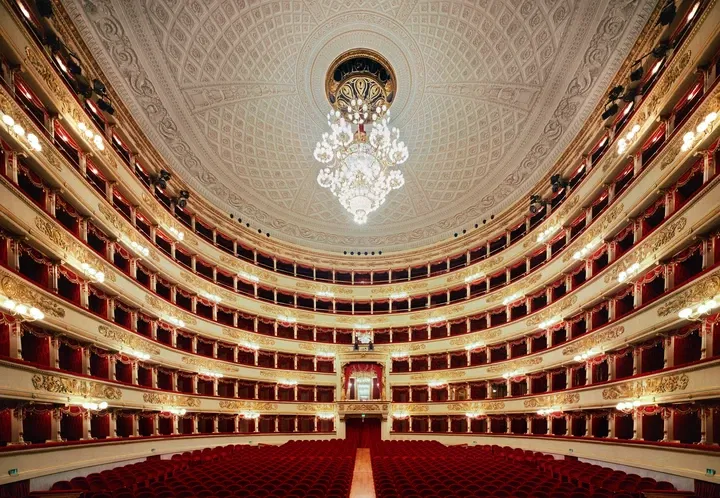
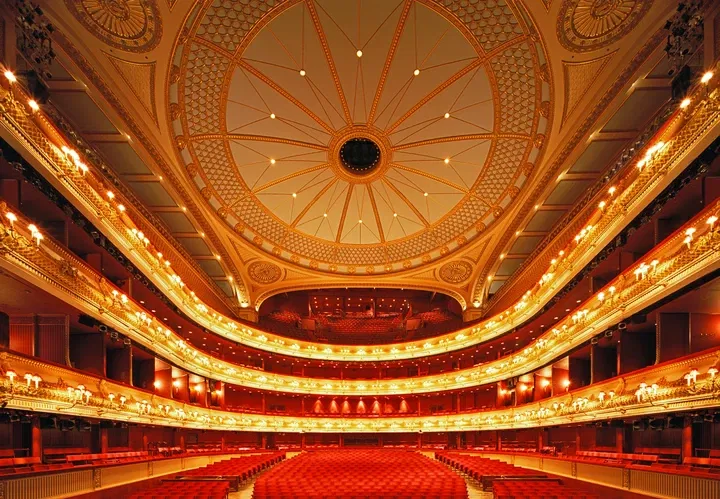
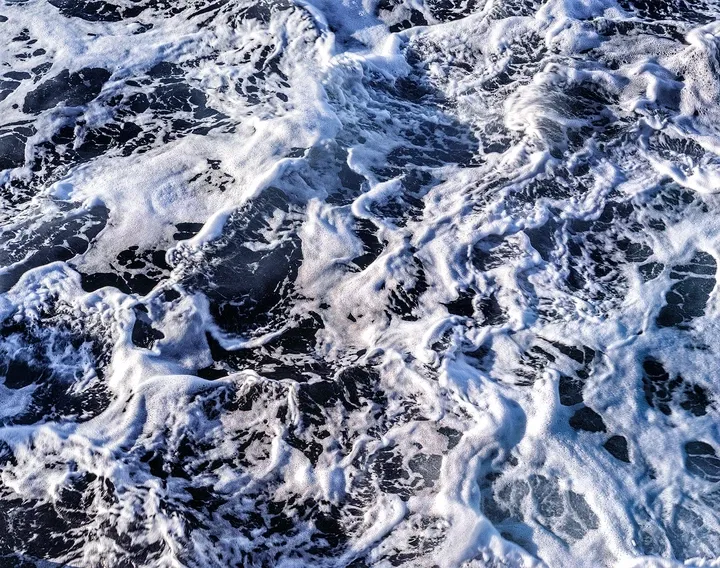
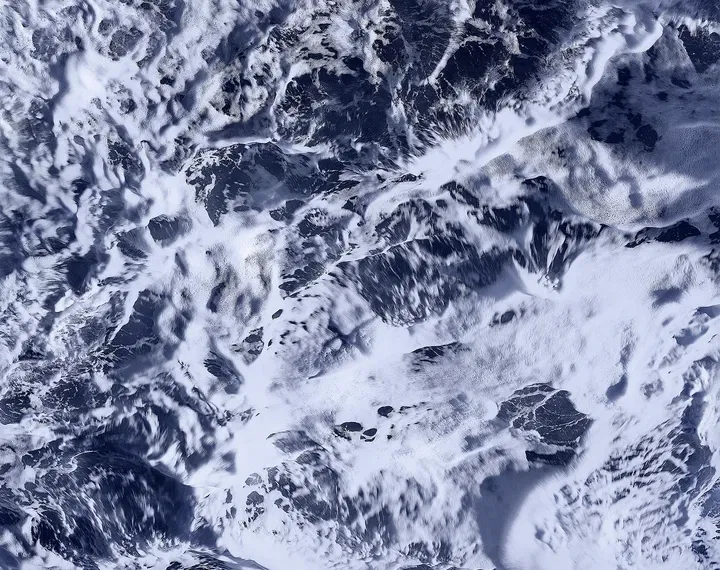

Rafael Neff is interested not only in what a motif or material is, but in what it can become. For more than two decades, he has turned his attention to things whose true quality often only reveals itself upon closer inspection: the order of deserted spaces, the interplay of light and surface, the distinctive presence of a material. In his photographs, he transforms objects and places through perspective and composition; in his more recent works, this transformation takes place within the material itself. As different as his bodies of work may appear, they are united by one approach: Neff gives the familiar a new presence.
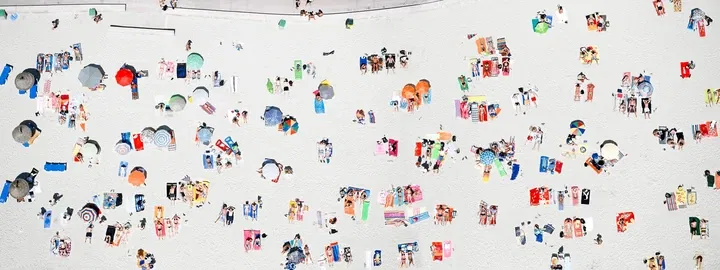
Beach
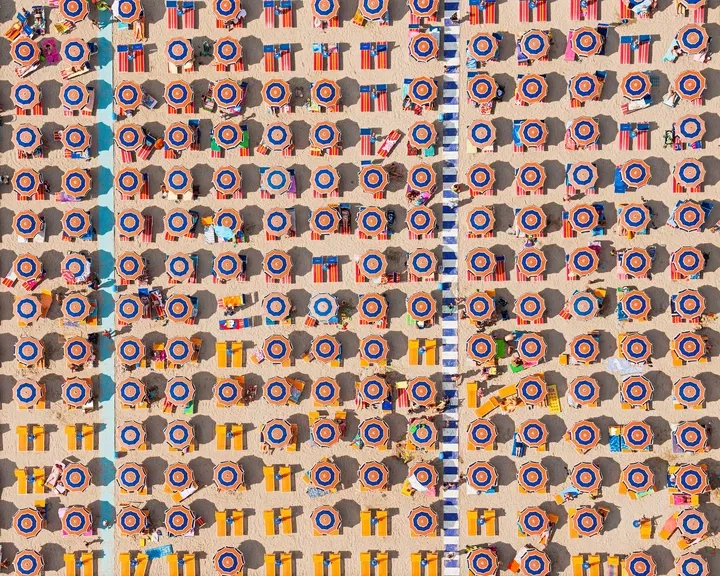
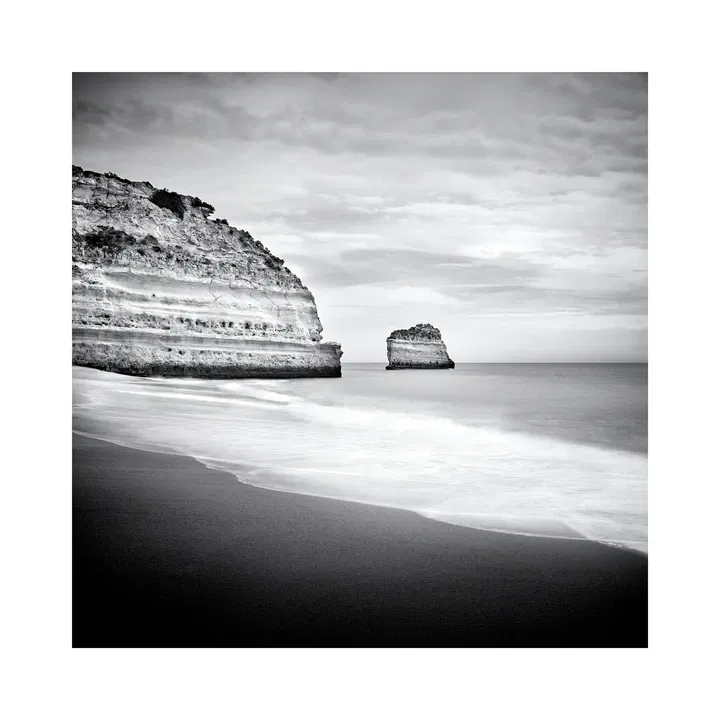
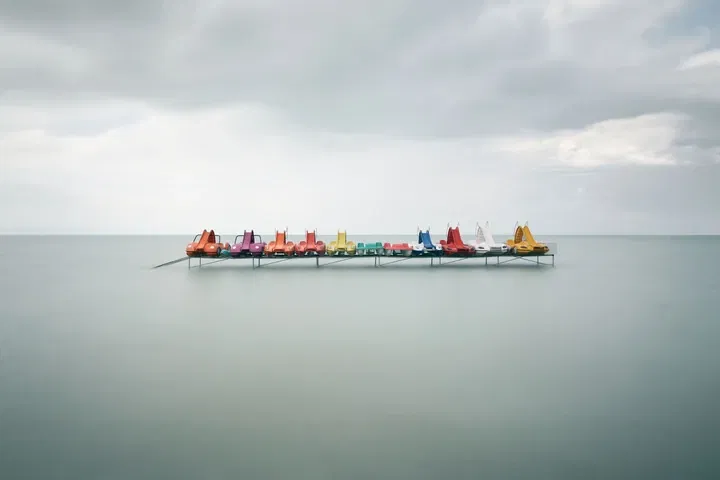
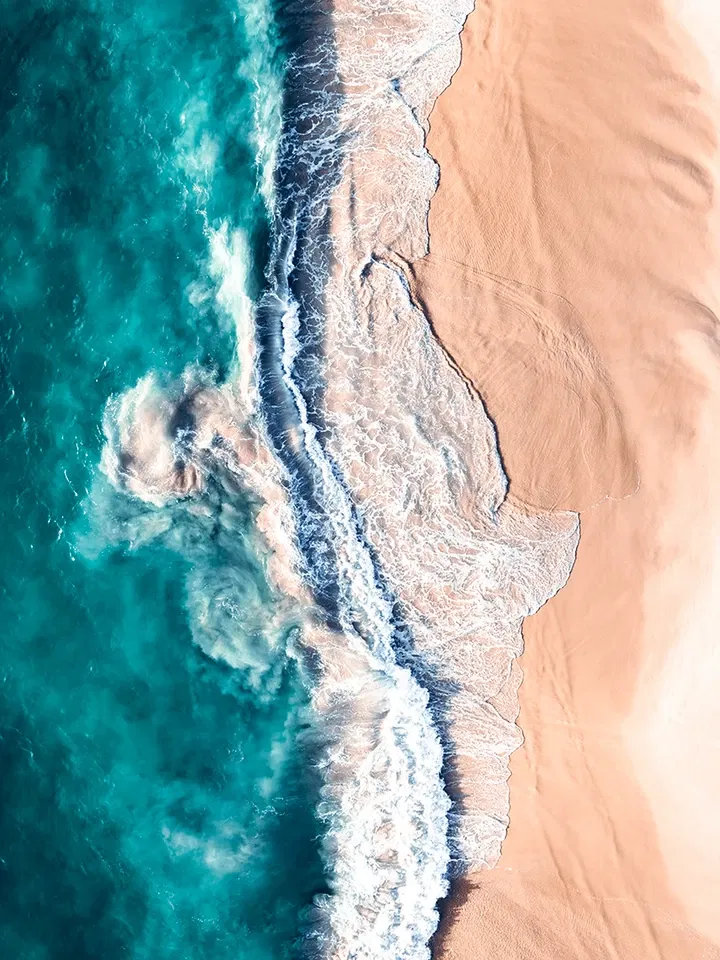
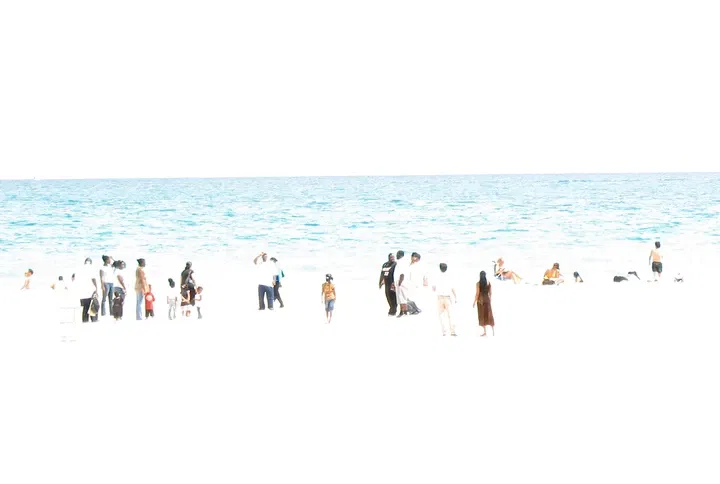
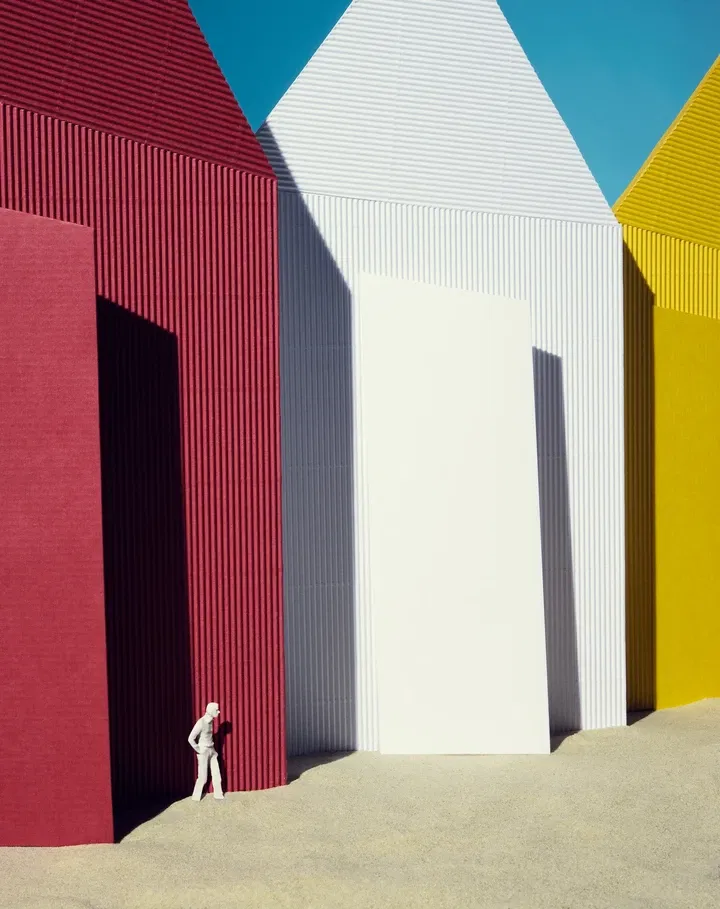
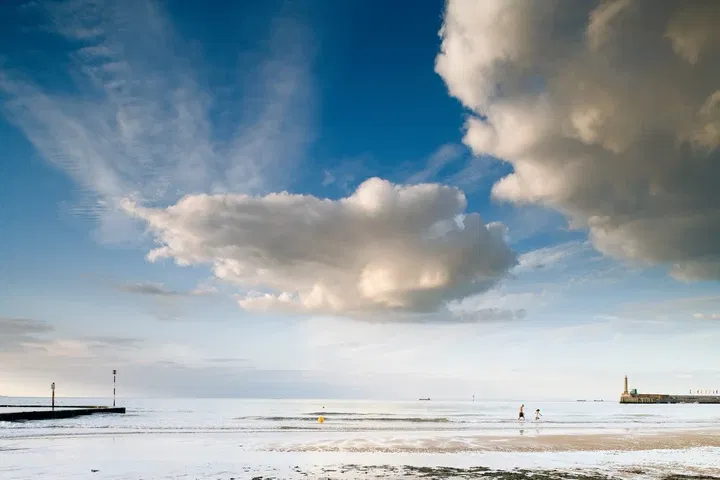
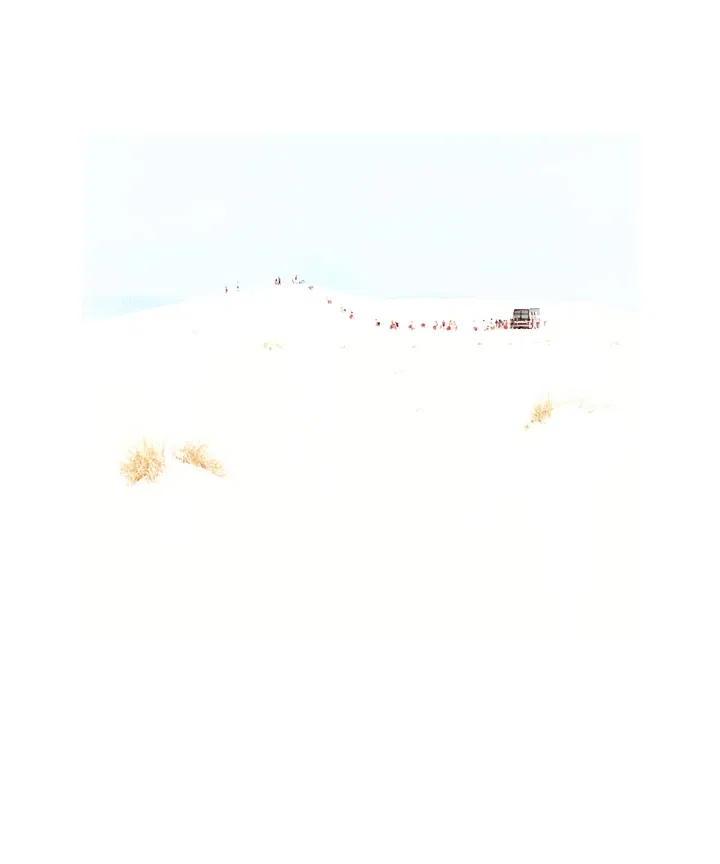
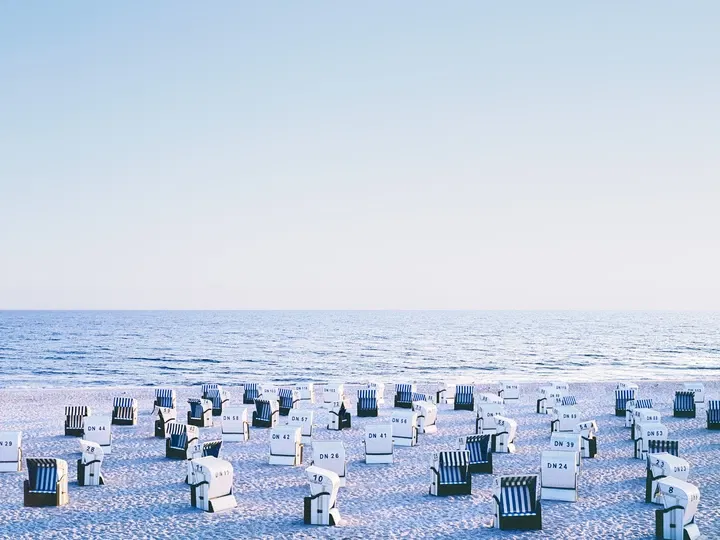
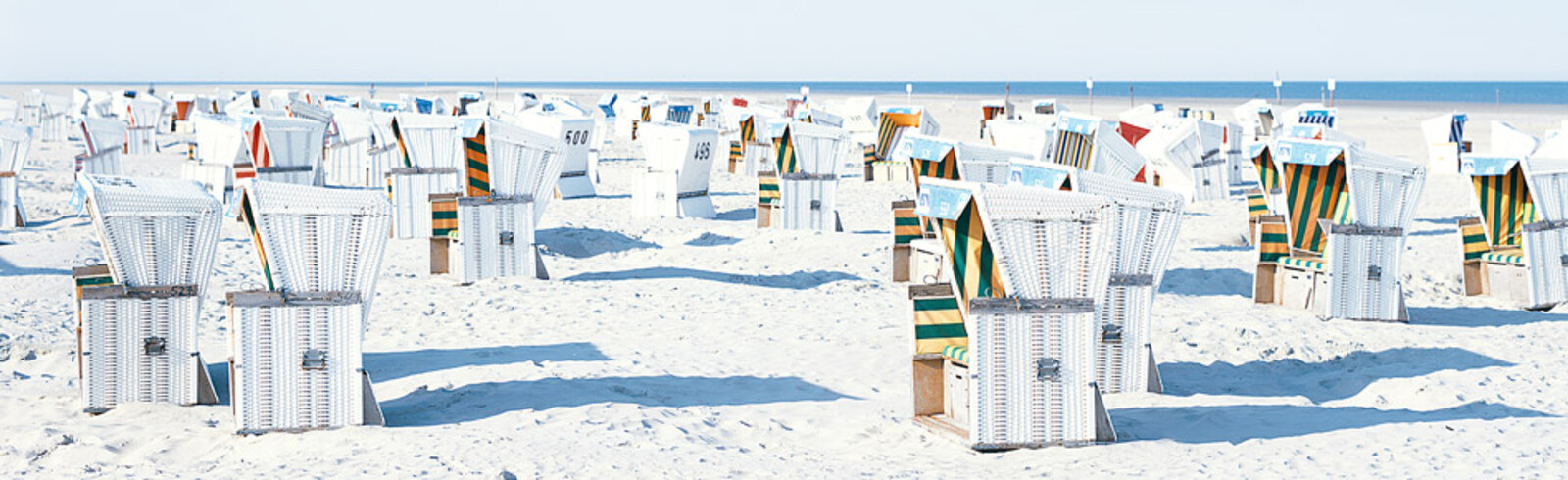
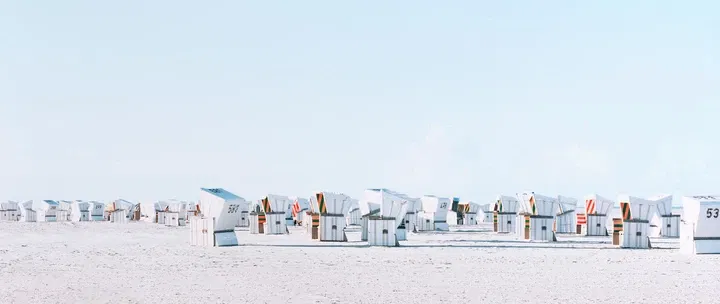
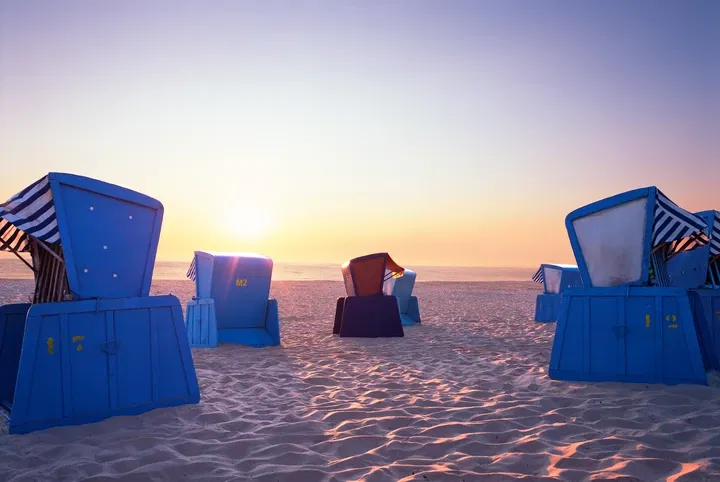
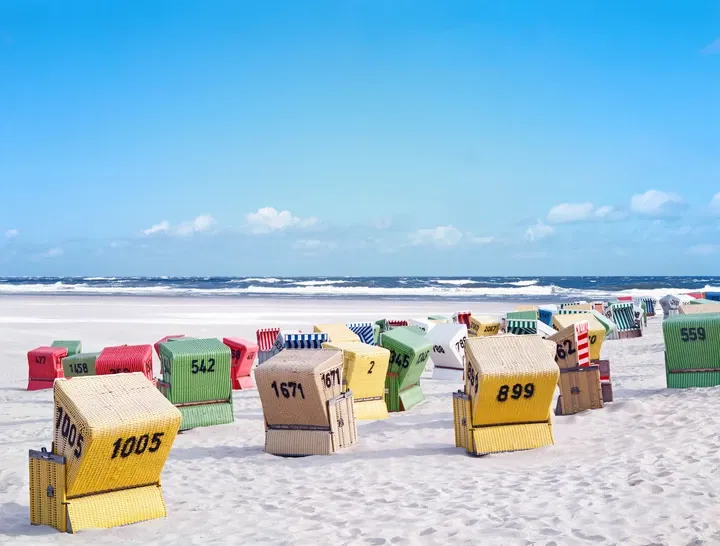
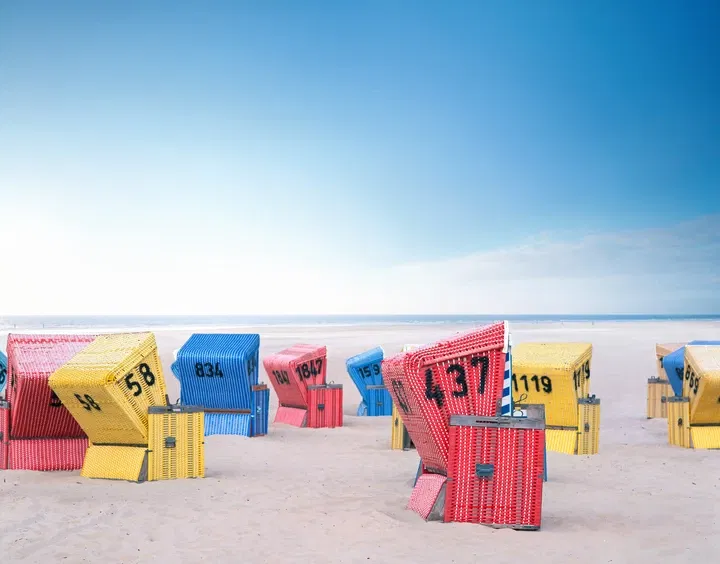
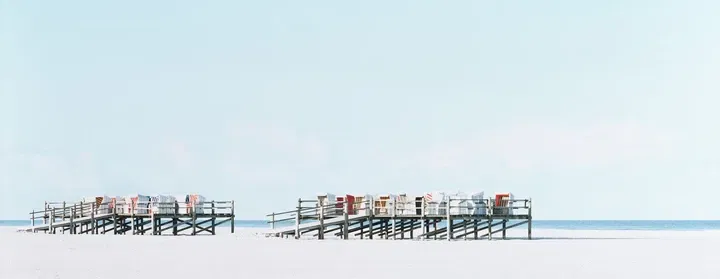
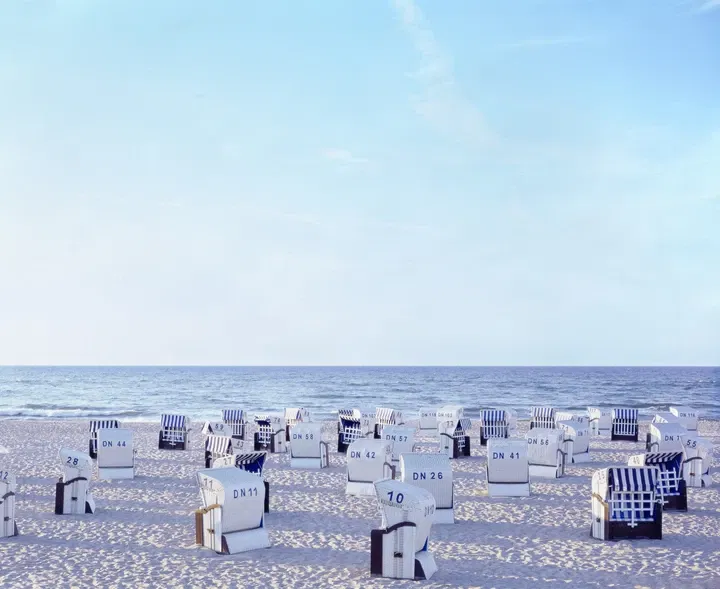
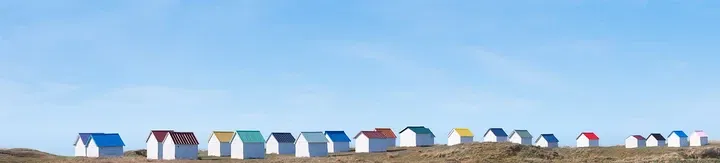
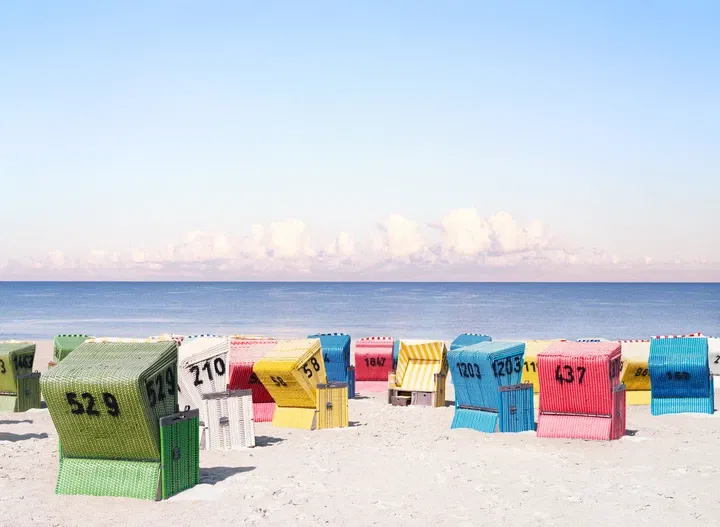
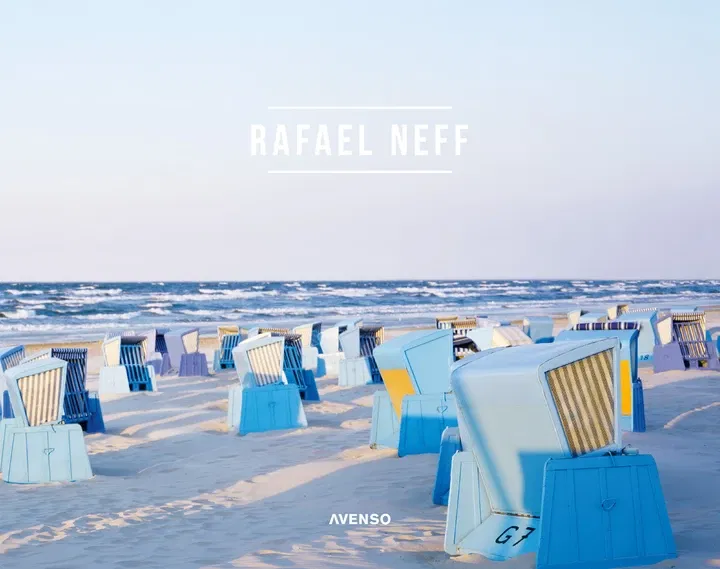
In Beach, an everyday motif becomes the starting point for a precise choreography. Almost deserted beaches, beach chairs and a vast expanse of sky form quiet stages on which light, color and geometry take the leading roles.
Before the beachgoers return and the chairs once again become objects of practical use, they seem to take on a life of their own. At times, they punctuate the open landscape with small bursts of color; at others, they condense into almost abstract formations. Neff plays with proximity and distance, sharpness and blur, surface and depth. Holiday architecture becomes imagery poised between tangible presence and fading memory — at once bound to a particular moment and strangely timeless.
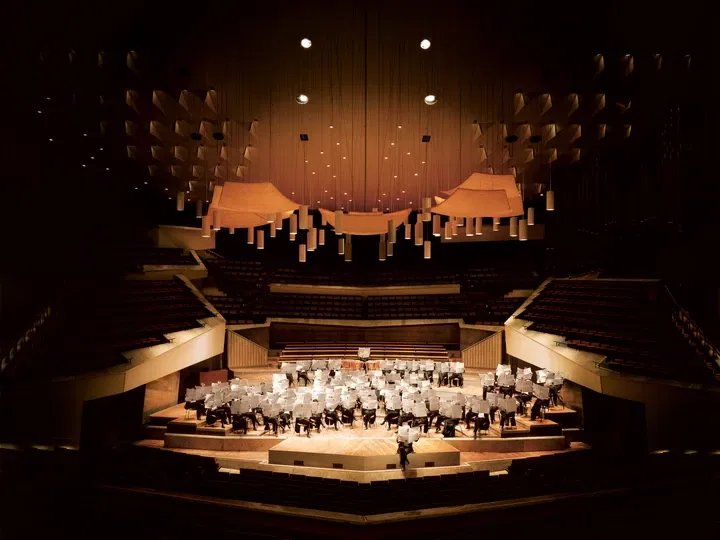
Operas
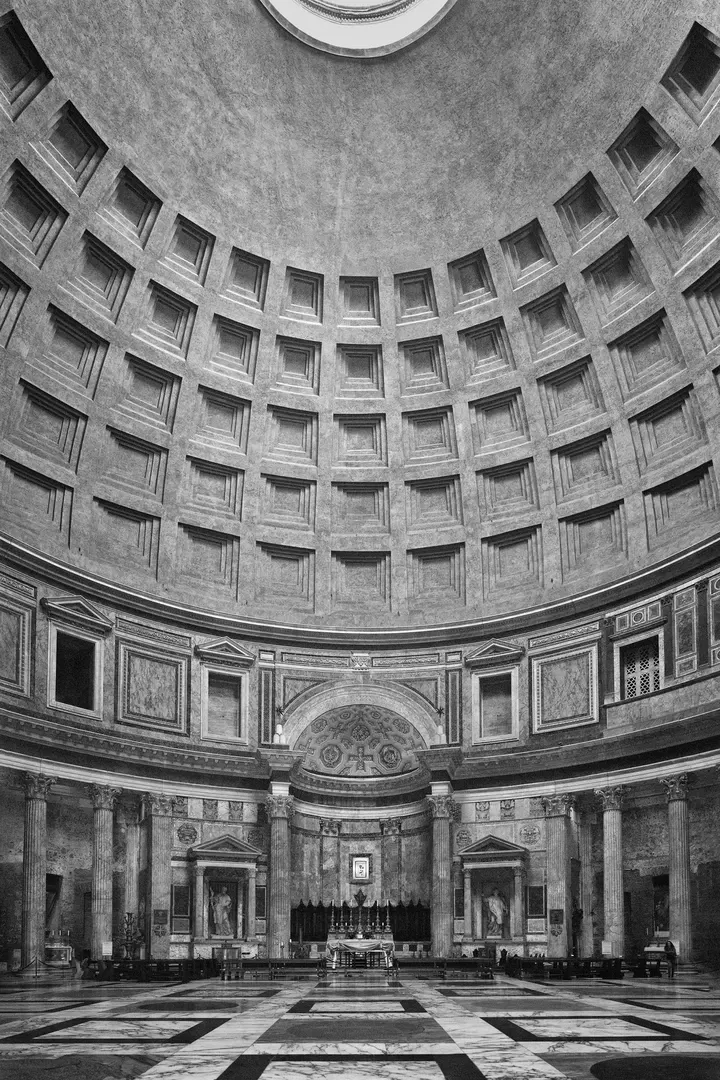
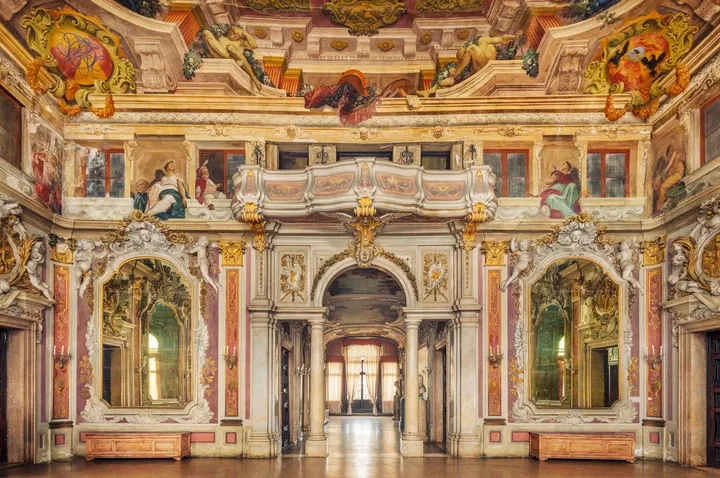
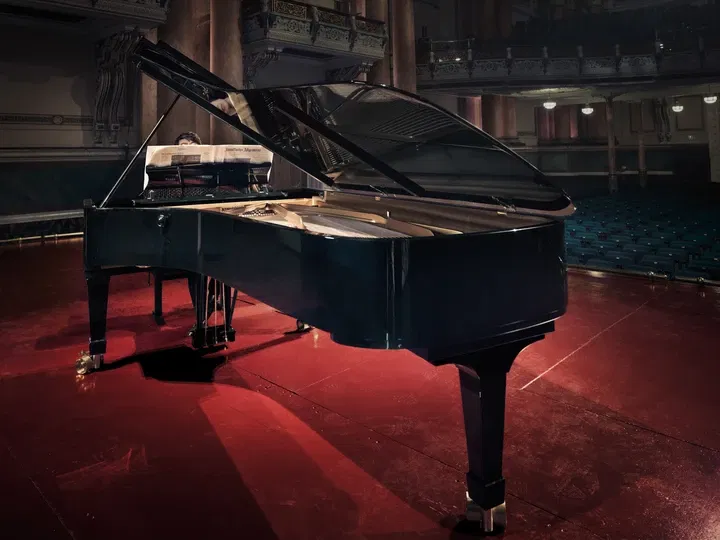
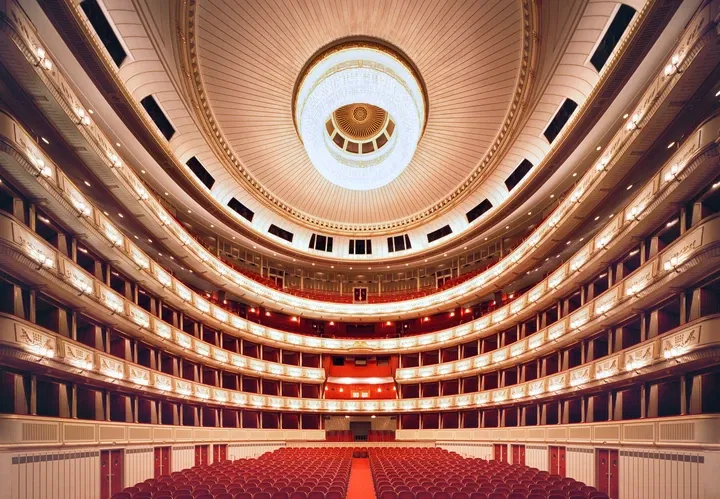
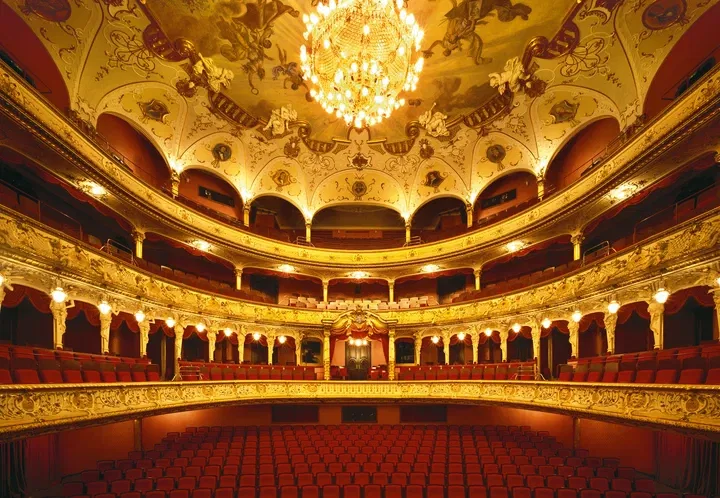
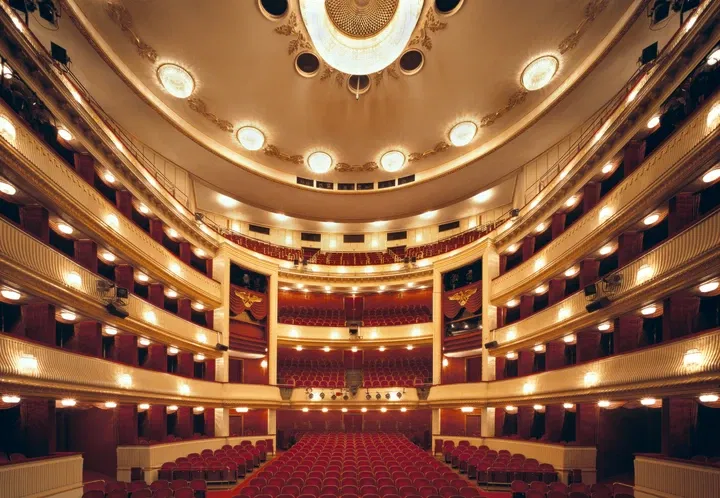
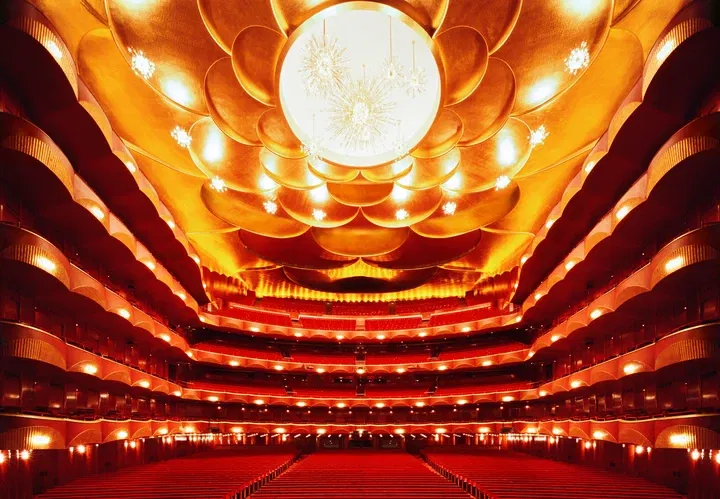
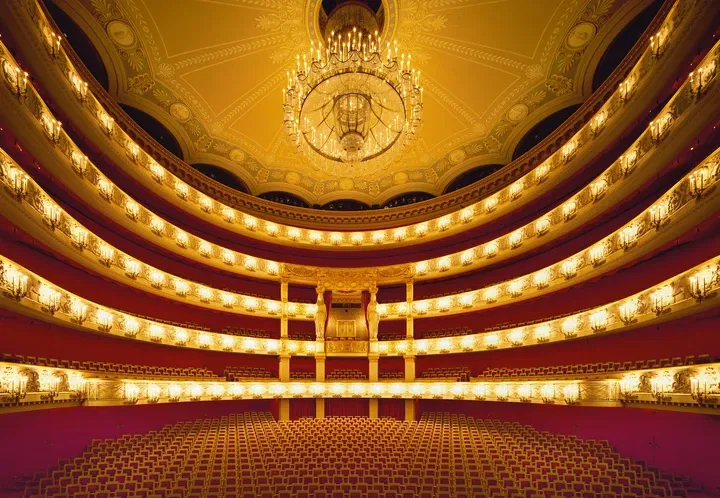
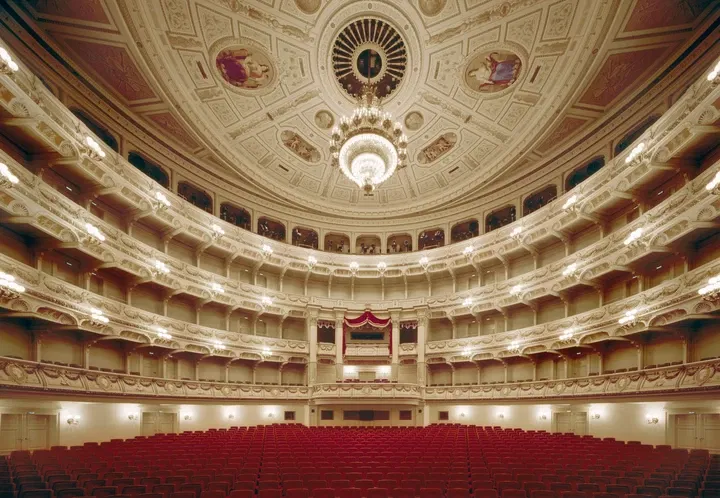
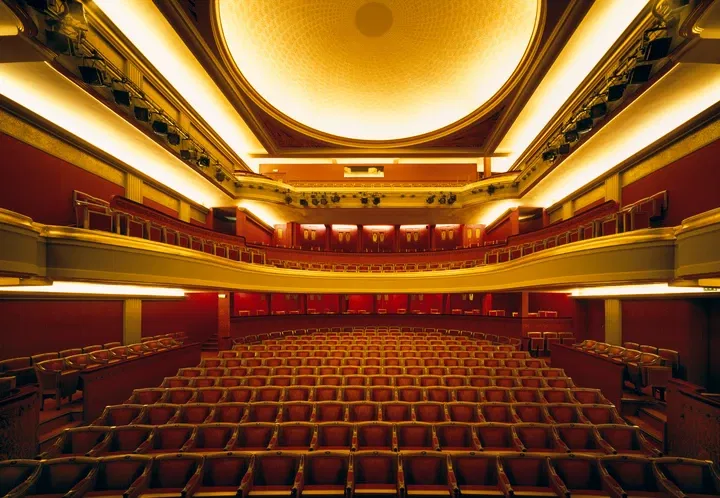
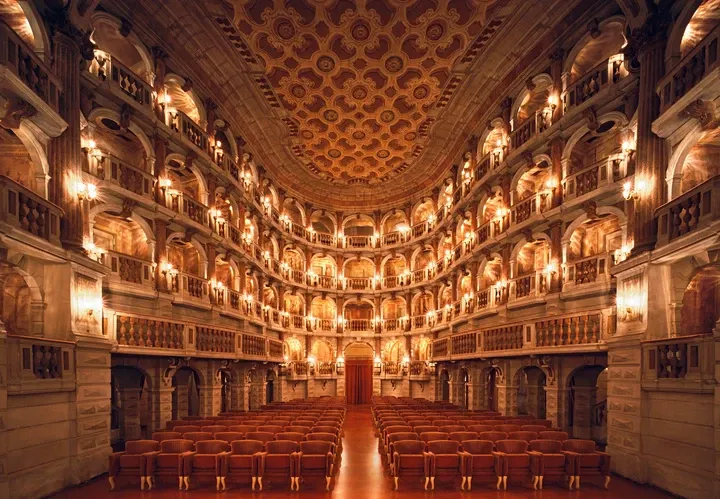
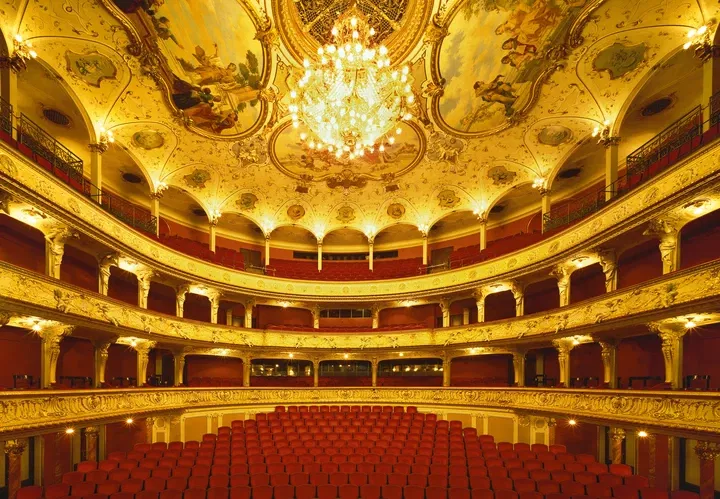
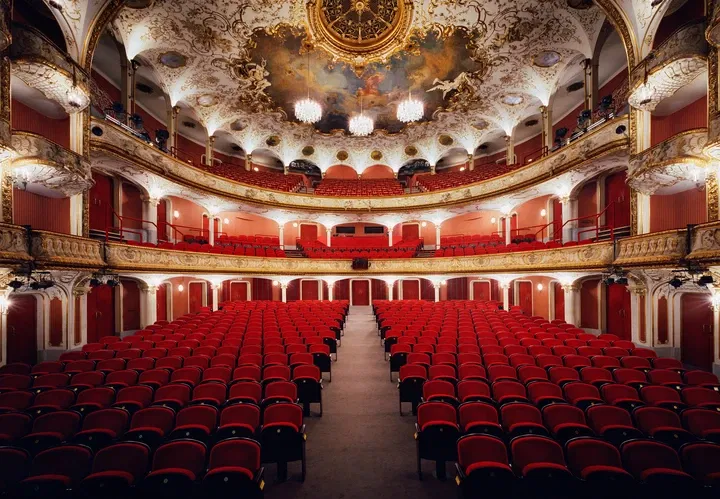
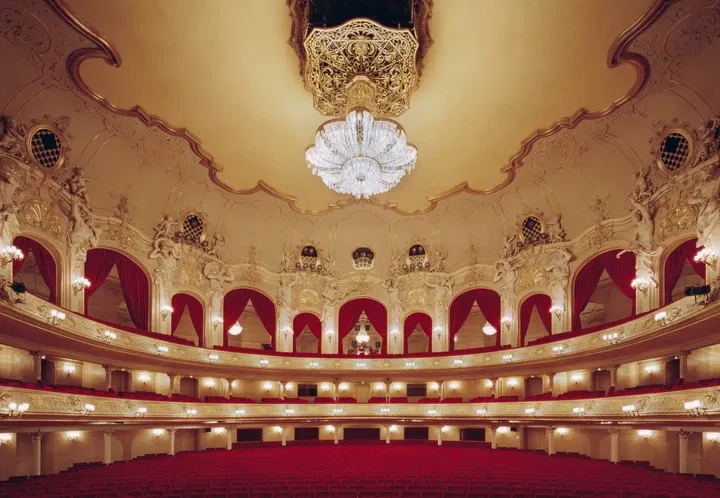
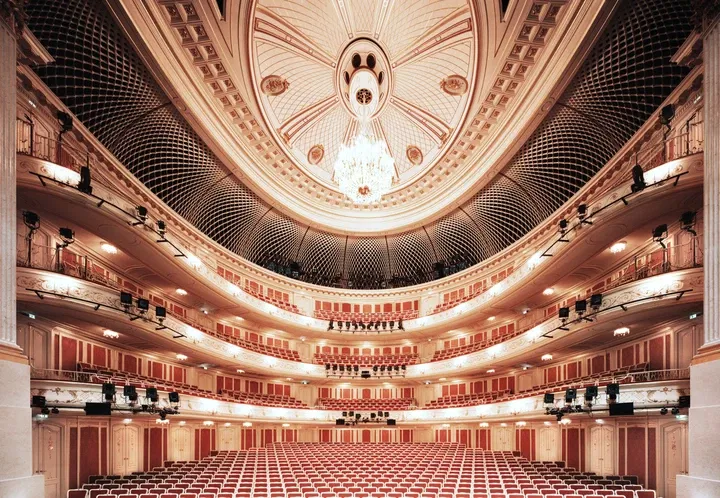
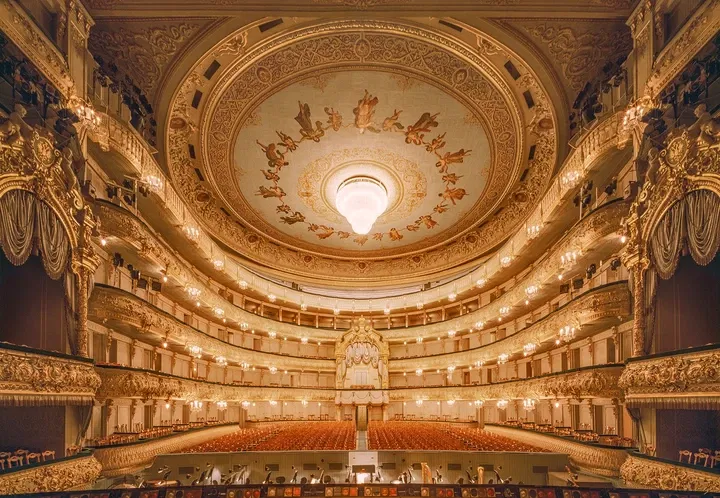
Since 2007, Rafael Neff has photographed opera houses and theaters around the world. In venues such as La Scala in Milan, the Royal Opera House in London, the Bavarian State Opera and Zurich Opera House, he turns his camera toward spaces that are already grand productions in their own right.
Boxes, ornamentation and domes coalesce in the warm light to create an almost sacred atmosphere. What is remarkable is precisely the absence of people: the auditoriums are empty, yet seem filled with everything that has taken place within them and will happen again — applause, drama, anticipation. Neff photographs architecture while simultaneously making both the memory of past performances and the tension before future ones palpable.
Libraries
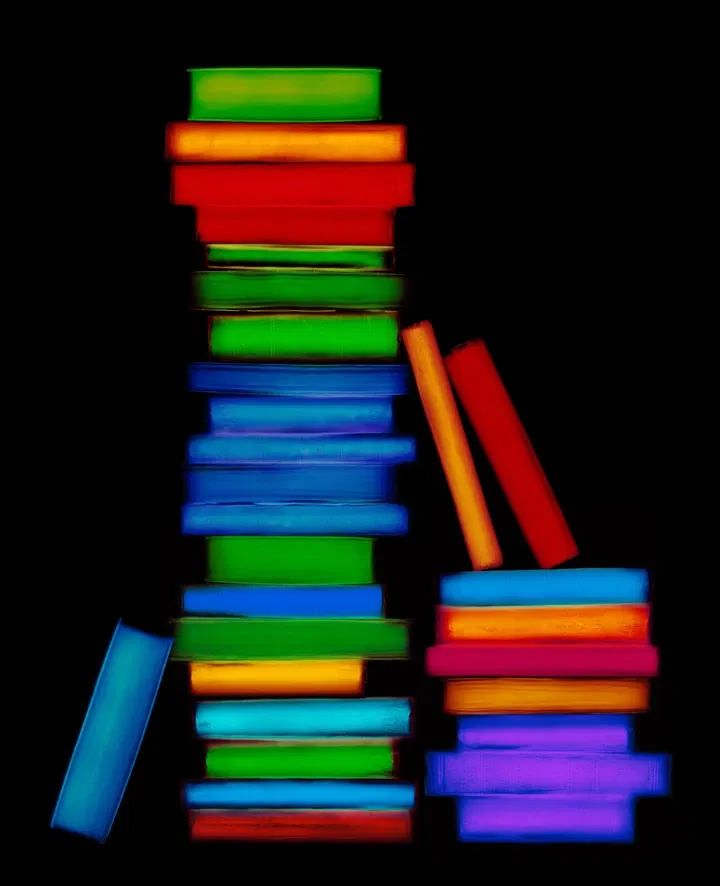
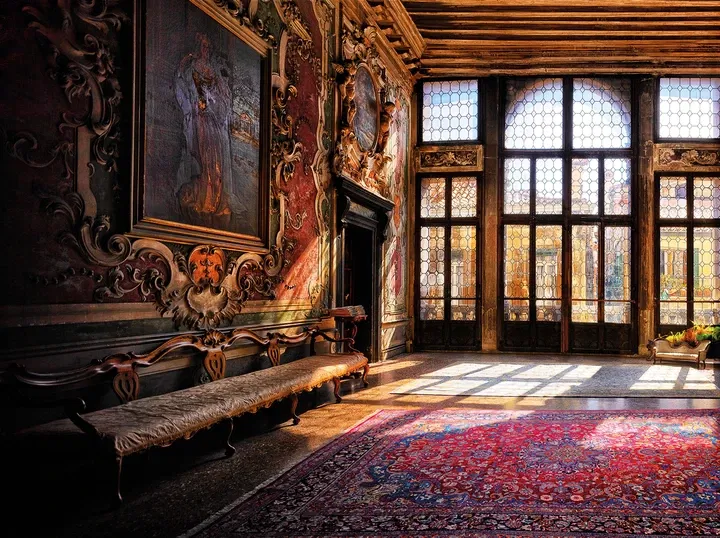
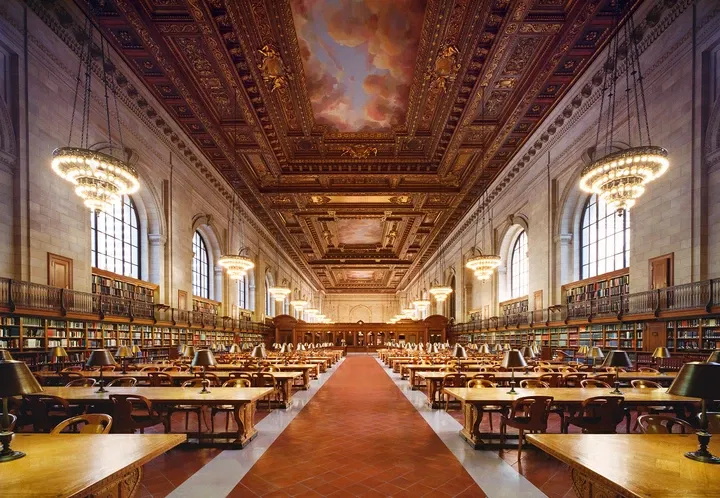
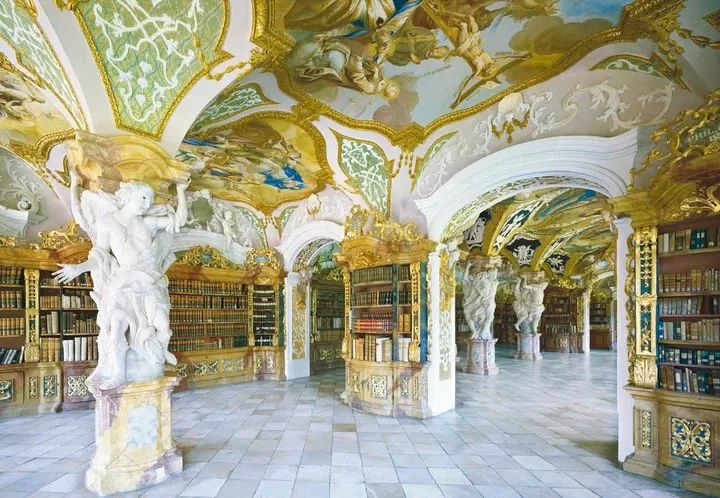
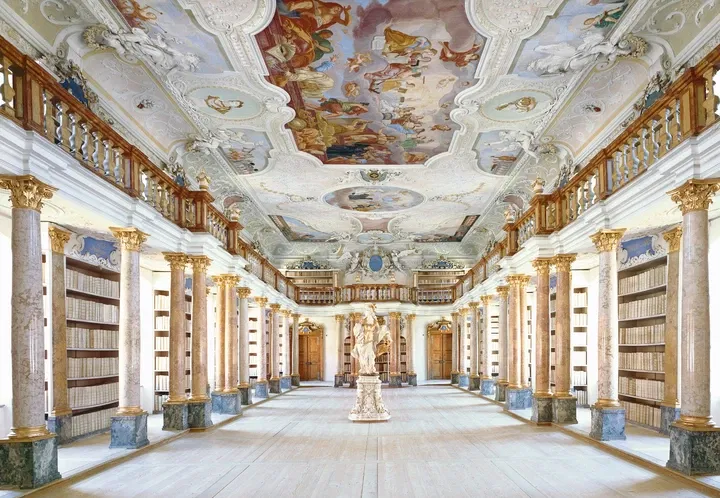
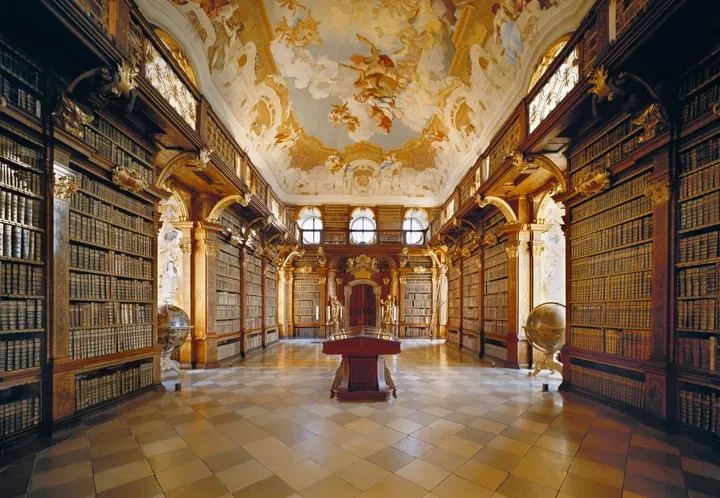
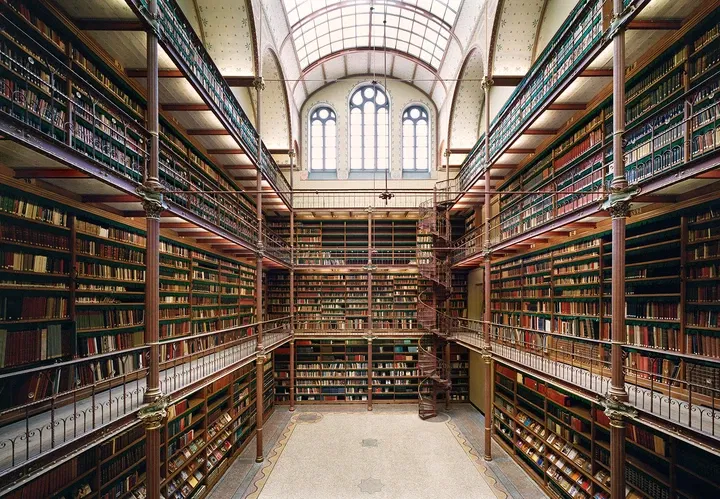
Neff’s libraries, too, are repositories — not of fleeting performances, but of centuries of thought. From the Baroque opulence of Admont Abbey to the comparatively restrained clarity of the Bibliothèque Sainte-Geneviève in Paris, he reveals the many ways in which knowledge can take architectural form.
His extensive depth of field allows shelves, vaults and the smallest details to emerge with exceptional definition. Yet this precision serves more than mere documentation. Instead, the libraries appear as intellectual spaces whose dimensions reach far beyond the individual. In Neff’s work, architecture becomes a visible form of memory.
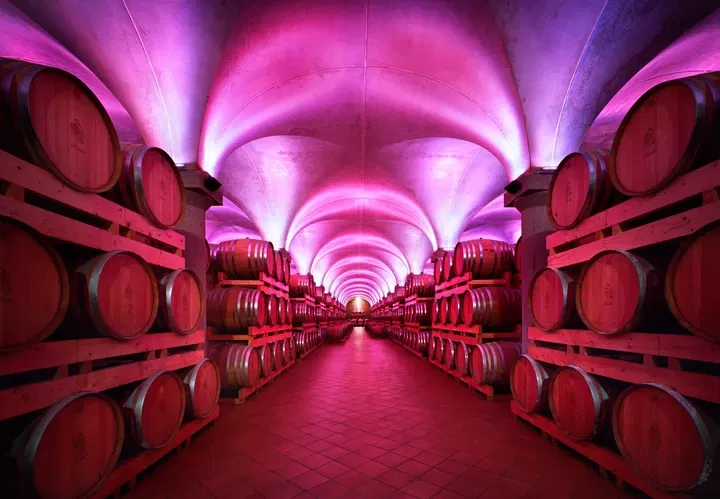
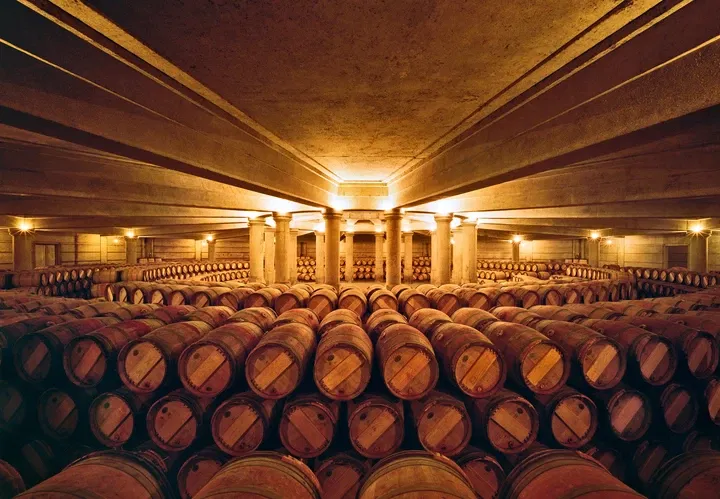
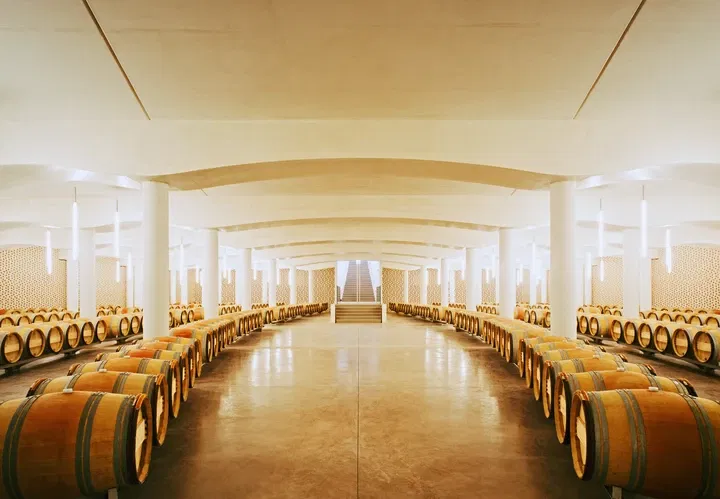
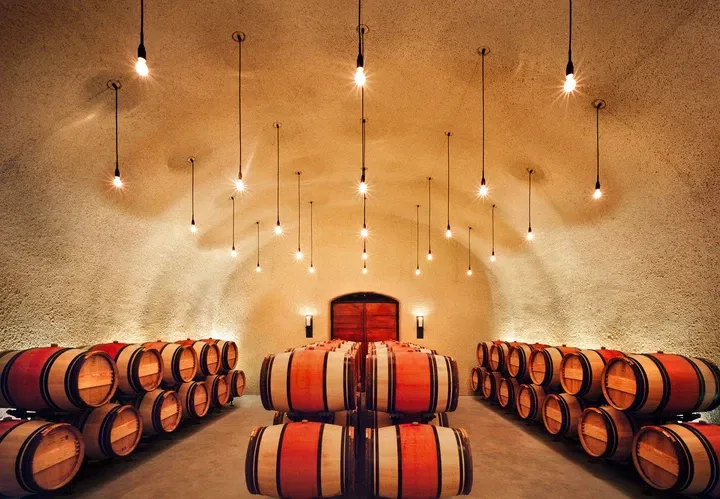
Wine Cellar
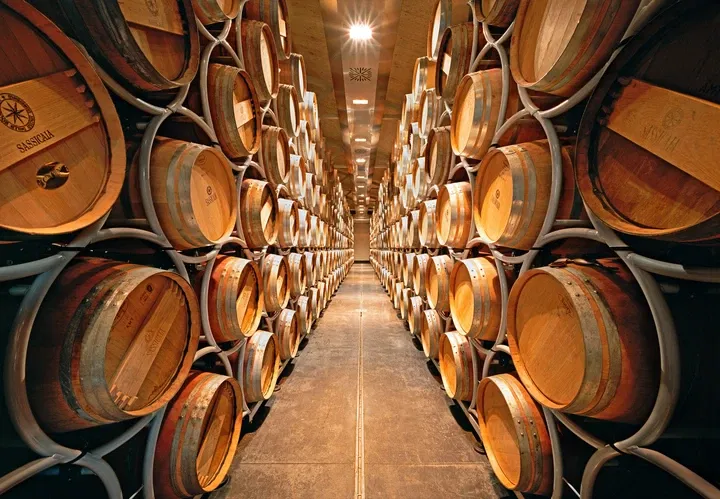
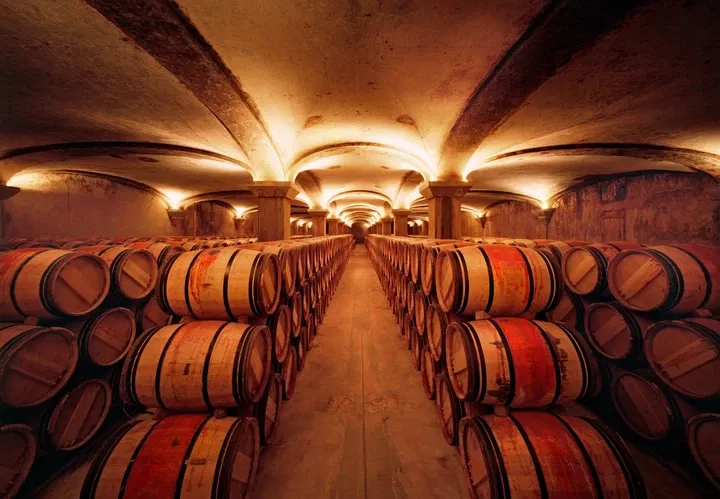
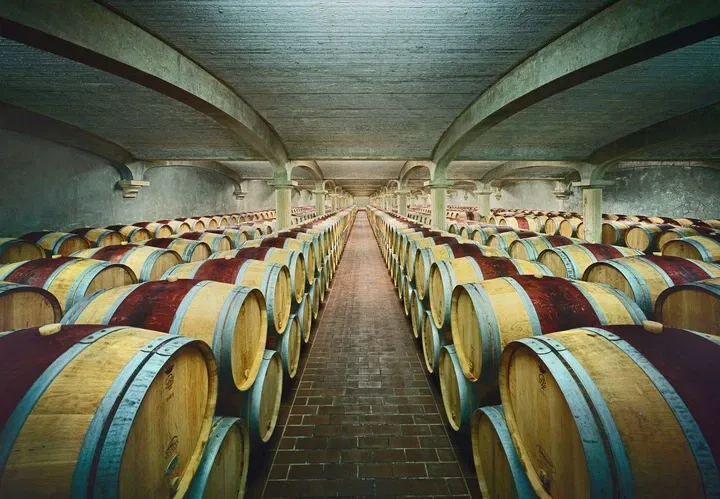
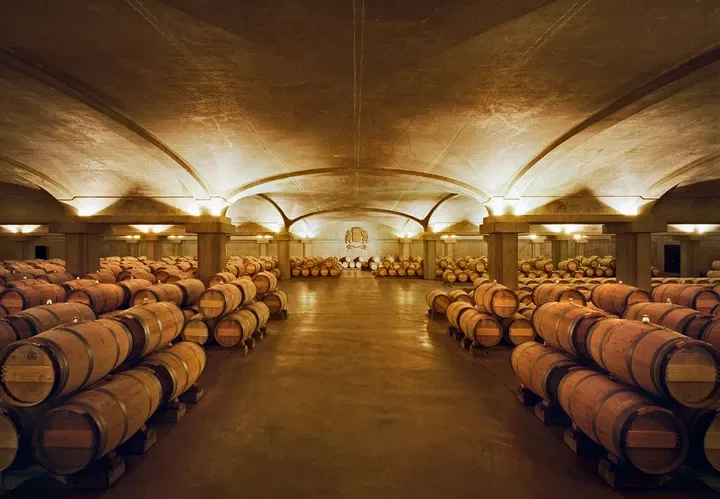
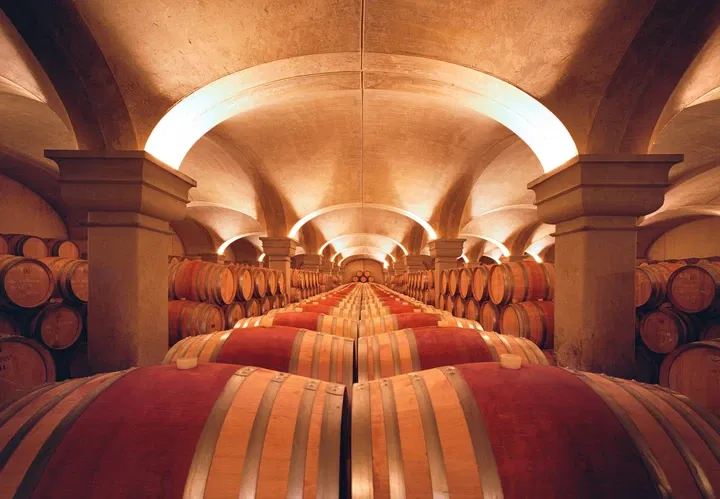
In the celebrated wine cellars of renowned historic estates, Neff focuses his gaze on spaces whose true significance only unfolds over time.
Barrels, vaults and long lines of perspective develop an almost contemplative quality through symmetry, repetition and subdued light. The deeper the eye travels into these spaces, the more tangible a process becomes whose result remains concealed. The photographs speak of care, craftsmanship and the long wait for maturity. Neff makes visible what wine and art have in common: quality is shaped by time, experience and patience.
Gold Leaves
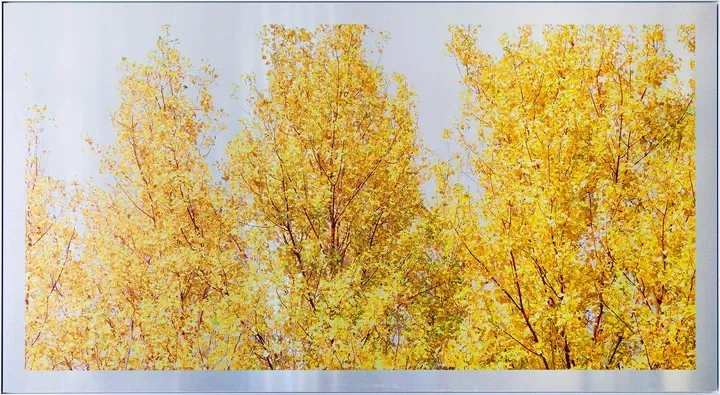
With Gold Leaves, Neff carries his interest in detail, surface and transformation directly from photography into material. Thousands of hand-folded leaves gather behind transparent acrylic glass to form three-dimensional fields that begin to shimmer as the light changes. The body of work originated from remnants of gilded portrait panels and developed from an experiment into an artistic language of its own.
Neff has worked with gold leaf for around two decades; here, it is no longer a means of refinement, but becomes the subject of the work itself. The individual leaves appear fragile, yet in their multitude they unfold an overwhelming presence. They reflect the light, seem to float behind the acrylic and remain beyond the viewer’s touch. Their effect lies precisely in this tension between proximity and distance, preciousness and lightness: here, gold does not embellish the work — it carries it.
Brass Sculpture
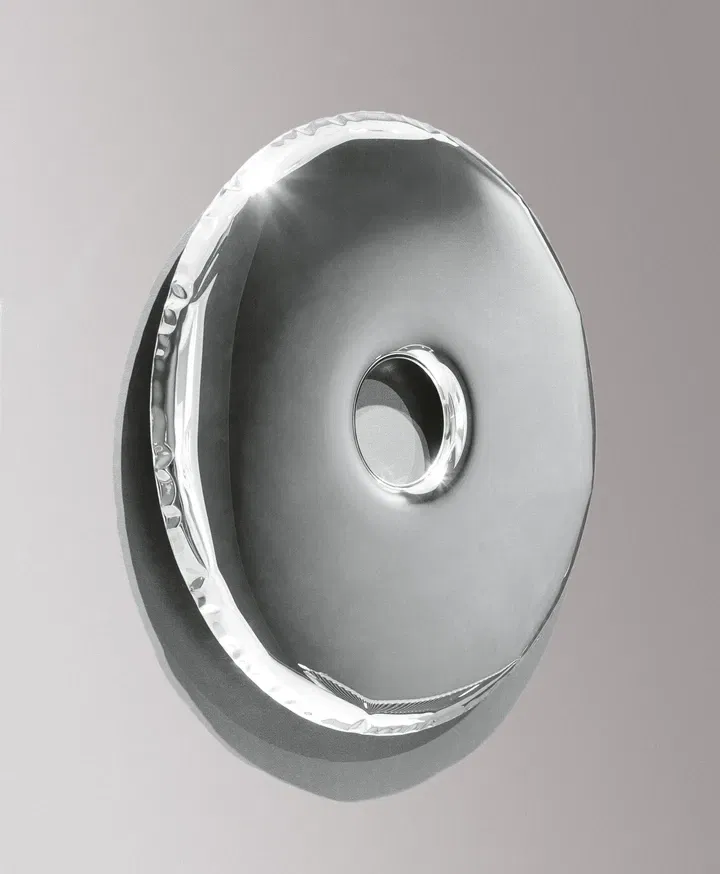
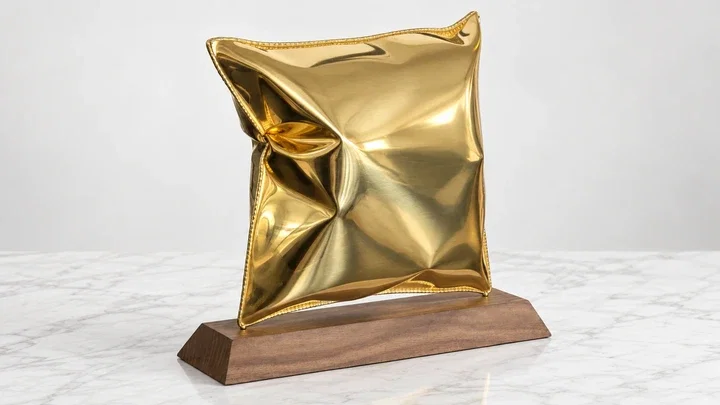
In the Brass Sculpture series, Neff’s engagement with metallic surfaces takes on sculptural form. Highly polished brass is not merely a material, but an active part of perception: it reflects its surroundings, responds to light and changes with the viewer’s position. Works such as Pillow and Blow Up carry Neff’s principle of transformation consistently into three dimensions.
With Pillow, this transformation begins in the very process of its creation. A leftover piece of thin metal strips inspired Neff to force two connected surfaces apart using compressed air. What began as an open-ended experiment gave rise to an independent sculptural form.
Pillow thrives on a precise contradiction: a cushion promises softness, warmth and pliability; Neff’s metal counters these qualities with hardness, weight and a reflective sense of distance. Even the welding seam follows a technique derived from textile production, transferring the logic of fabric into metal. What looks soft is unyielding. What appears intended for use becomes an autonomous object — almost a trophy. “Brass cushions can’t be comfortable,” Neff says. It is precisely by losing its original function that the cushion acquires a new meaning.
Working Process
Behind the diversity of Rafael Neff’s work lies a remarkably consistent process. “We artists are seekers,” he says of his own approach. For Neff, this search means persistent experimentation: finding an idea, testing it, discarding it, developing it further — and continuing until material, form and expression come together.
Born in 1969, the artist studied photography in Mainz, Prague and New York. The trained eye of the photographer remains present even where no camera is involved: in his sense of framing and surface, in his handling of light and, above all, in his attention to detail. In Gold Leaves, thousands of individual elements form a cohesive whole; for the brass sculptures, the sensitive metal is painstakingly worked by hand, polished, cleaned and coated with multiple layers of lacquer. With Pillow, even the smallest inclusions or irregularities can call the entire process into question during the final stages of production.
Neff’s perfectionism is therefore not simply a matter of immaculate surfaces. It is the condition that allows something familiar to leave its customary meaning behind. From the beach chair to the library, from gold leaf to the brass cushion, Rafael Neff searches for this moment of transformation: when an object becomes an image, a material becomes expression, and the familiar becomes something we are able to see anew.
| 1969 | Born in Freienseen |
| 1995-1996 | Worked in an advertising agency |
| First photographic works | |
| Received a state-funded photography stipend | |
| 1996 -2001 | Entered the Fachhochschule Mainz, studying Communication Design with a focus on Photography |
| Academic exchange in Prague and New York | |
| Became a protege of Kevin Clarke - New York City | |
| 2001 | Received diploma in Photography at the FH Mainz |
| Premiered “emotionalen Garten” | |
| Began his “Strandkörbe” project | |
| 2002 | Brought his “Strandkorb” project to New York |
| 2003 | Brought his “Strandkorb” project along the entire coastline of the North Sea |
| 2004 | Founded Neff Fotodesign |
| Brought his “Strandkorb” project along the entire coastline of the Baltic Sea | |
| 2005 | Brought “Strandkorb” project along the Polish coast all the way to the Curonian Spit |
| Completed book production at Neff Fotodesign | |
| 2006 | Signed a photography contract with John Deere |
| Completed an artistic work for the Franz Schneider Brakel GmbH | |
| Brought “Strandkorb”project to the Italian coastline and islands of Denmark | |
| 2007 | Began lectureship for photography at the School of Design at the Hochschule in Pforzheim |
| 2008 | Founded a new studio with showrooms in Oberursel |
| Began exhibition of the largest collection of libraries and theatres worldwide - ongoing | |
| 2009 | Began art series about the most valuable books in the world |
| Partook in exhibitions in New York, Paris, Milan, and Berlin | |
| 2010 | Began art series on complex clockworks |
| Partook in exhibitions in New York, Paris, Munich, Berlin, and Düsseldorf | |
| 2011 | Began art series "the most important Wine cellars in the world" |
| With productions in California, France, Switzerland, Itlay, and Germany | |
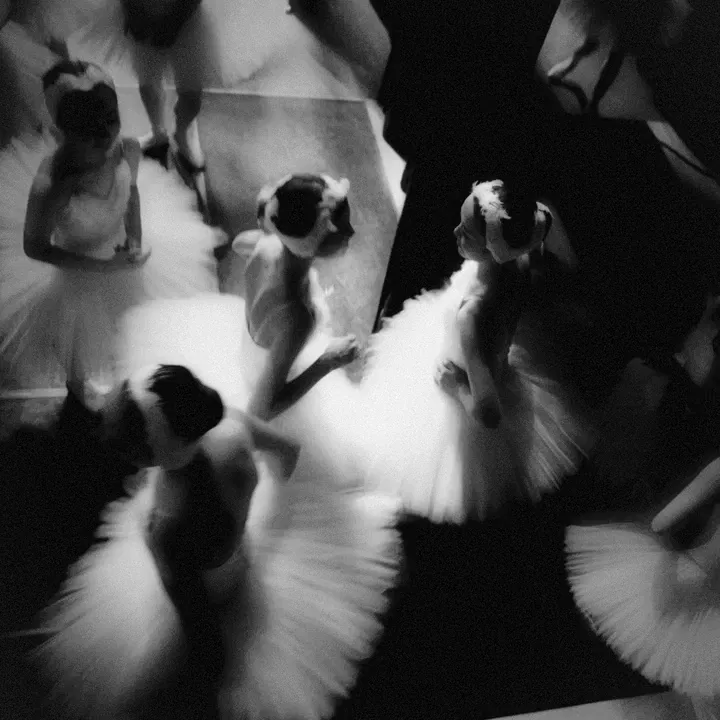
| 2012 | Started largest portrait series about ballet director Uwe Scholz |
| Continued the Opera series with 13 new Operas | |
| Began new Beach House series | |
| 2013 | Solo exhibitions in Hong Kong, China, Salzburg, and Austria |
| Solo exhibition in Salzburg, Austria | |
| Gruppenausstellung in Heidelberg, Deutschland | |
| Solo Exhibition and remodelling of the Villa Merton (Union International Club) in Frankfurt, Germany | |
2017 | World tour to photograph the world’s best workshops for the Hella GmbH & Co KGaA campaign |
| 2018 | Continuation of “Opera” project at new sites in St. Petersburg, Sydney, and Paris |
| He lives and works in Frankfurt, Germany | |
| 2019 | Gregor Kalender Award |
| 2013 | DesignPlus Award |
| 2012 | Bronze International Kalender Award |
| 2010 | Gold International Kalender Award |
| 2008 | Red Dot Design Award |
| Kodak Photo Award | |
| "Gregor" Honorary Award from the Jury | |
Gold International Kalender Award | |
| 2007 | Gold International Kalender Award |
| 2005 | Design Award of the state Rheinland-Pfalz |
| 2013 | LUMAS |
| 1995-1996 | work for an advertising agency |
| first photography work | |
| publically supported photography grant | |
| 1996 -2001 | major in photography |
| 2013 | LUMAS, Salzburg, Austria |
| Villa Merton (Union international Club), Frankfurt, Germany | |
| 2012 | LUMAS, Dusseldorf, Germany |
| LUMAS, Hamburg, Germany | |
| LUMAS, Berlin, Germany | |
| 2011 | LUMAS, Vienna, Austria |
| 2013 | LUMAS, Heidelberg |
| 2010 | Viennafair |
| 2009 | Art Moskau |
| 2008 | AAF, New York Maison et Objets, Paris IMM Cologne Interior Lifestyle, Tokio Paris Photo, Paris ICFF, New York |
| 2007 | Kunst Zürich TIAF, Toronto Tendence Lifestyle, Frankfurt AAF, New York ICFF, New York Art Moscow Art Melbourne Maison & Objets, Paris IMM Cologne art cologne |
| 2006 | Art Fair Köln Kunst Zürich Blickfang, Wien |