New
Unfortunately, this artwork cannot be added to the room view.


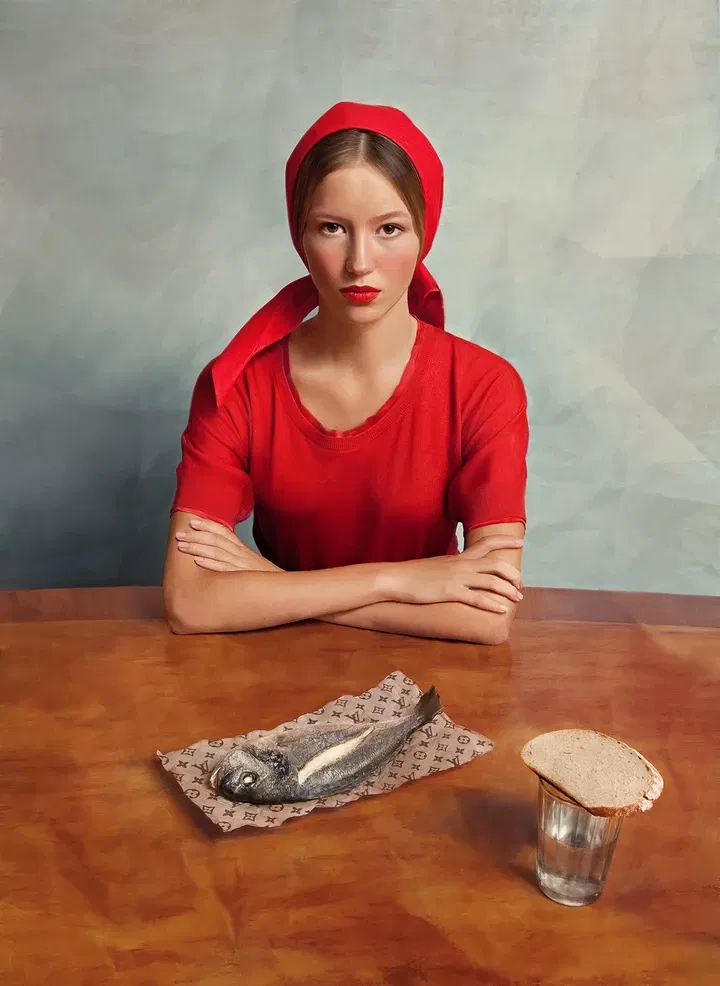
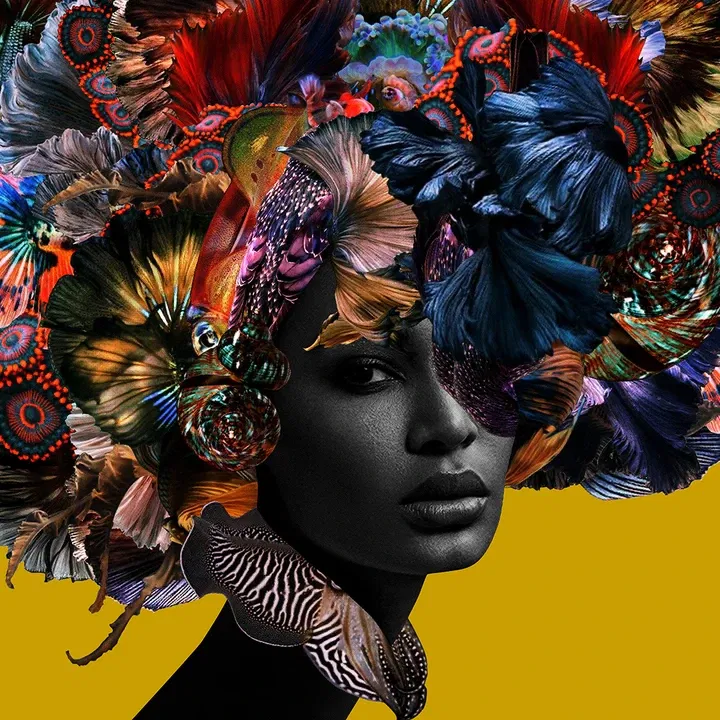
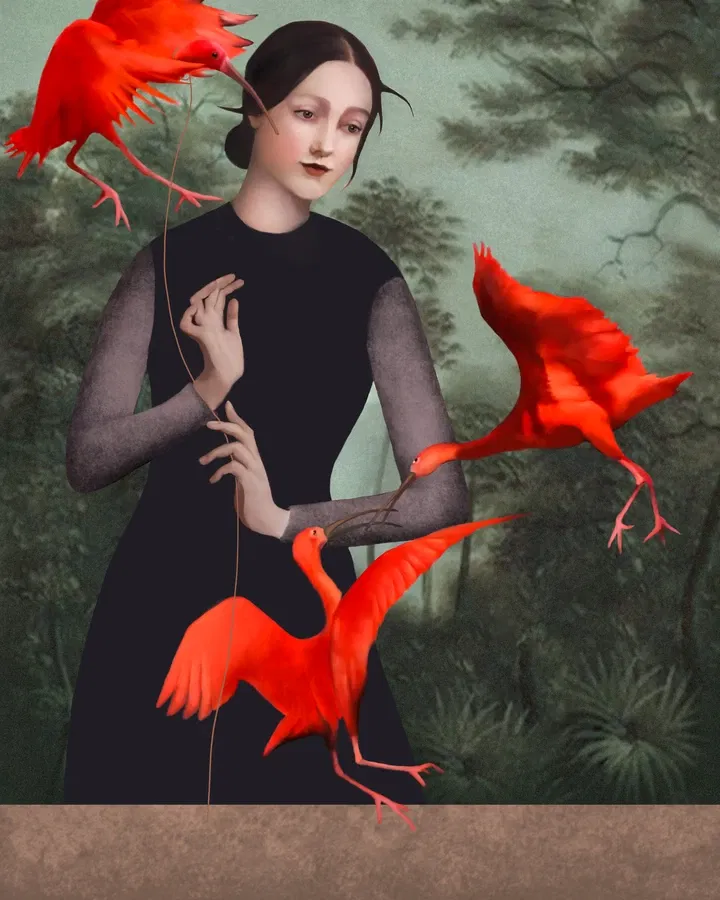
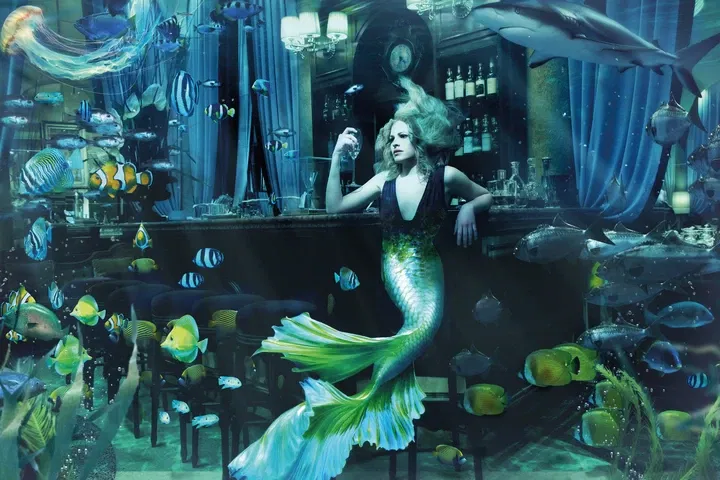
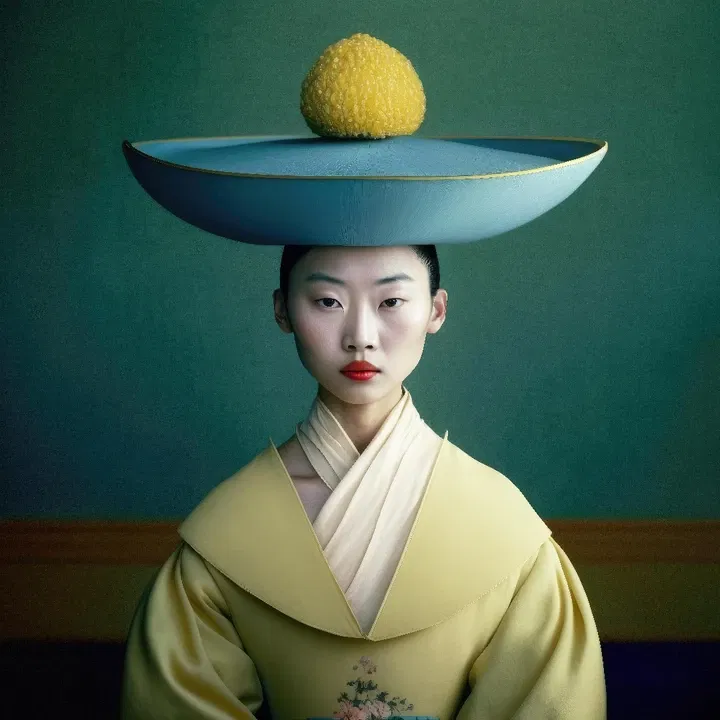
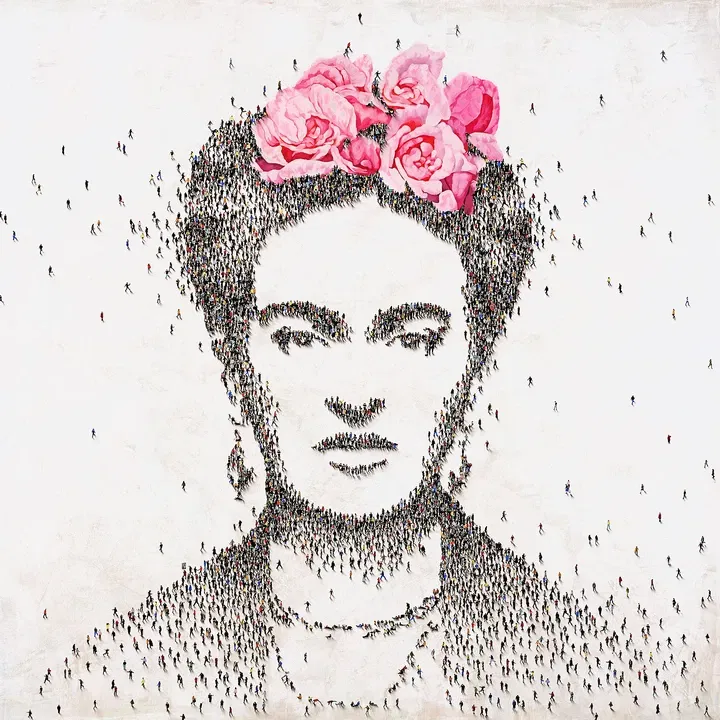
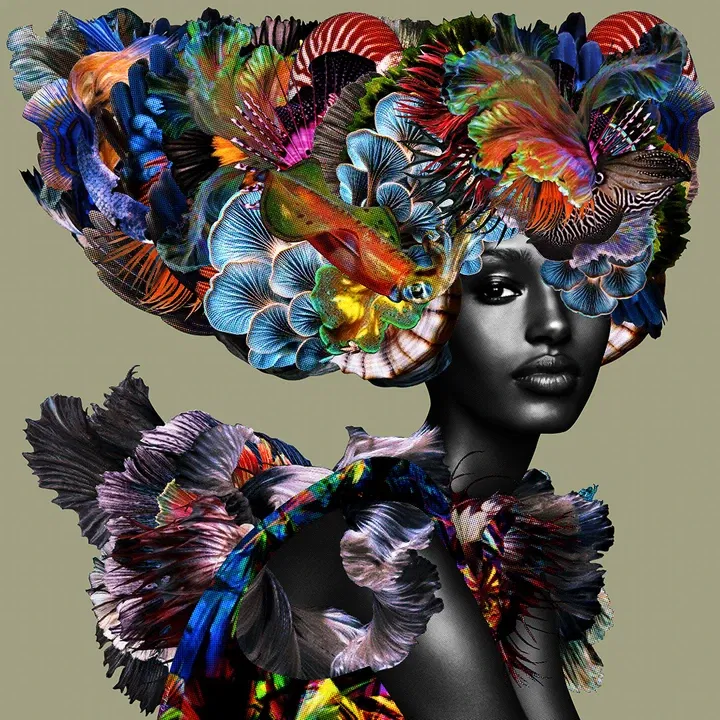
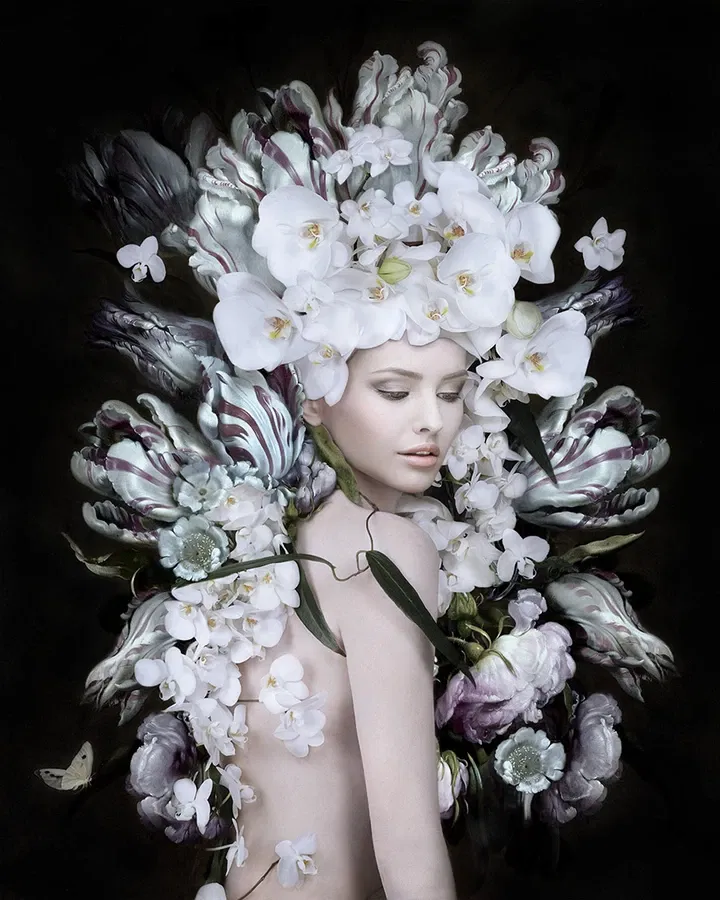
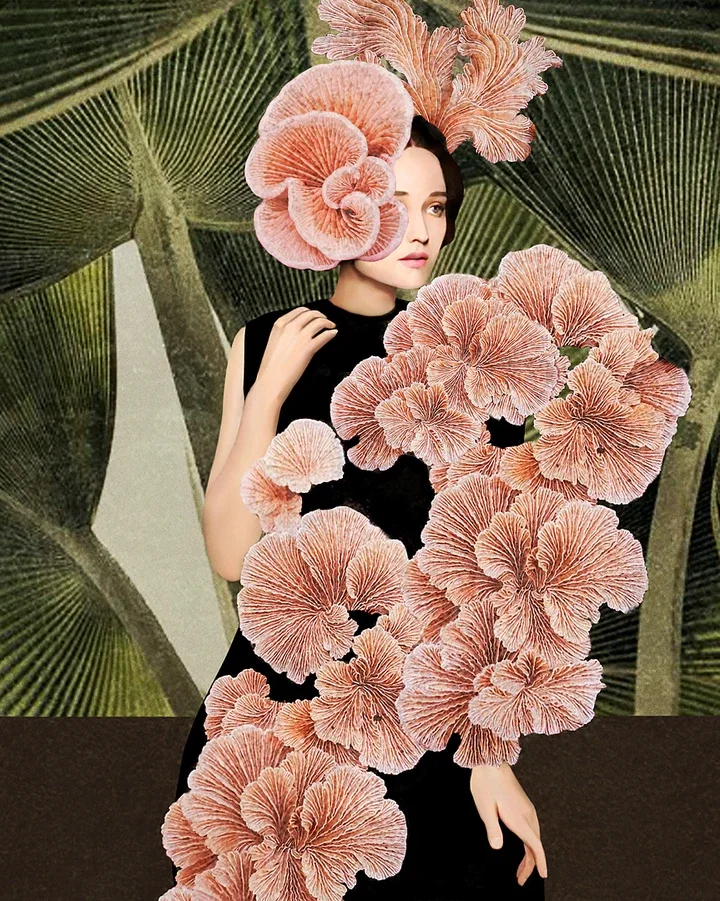
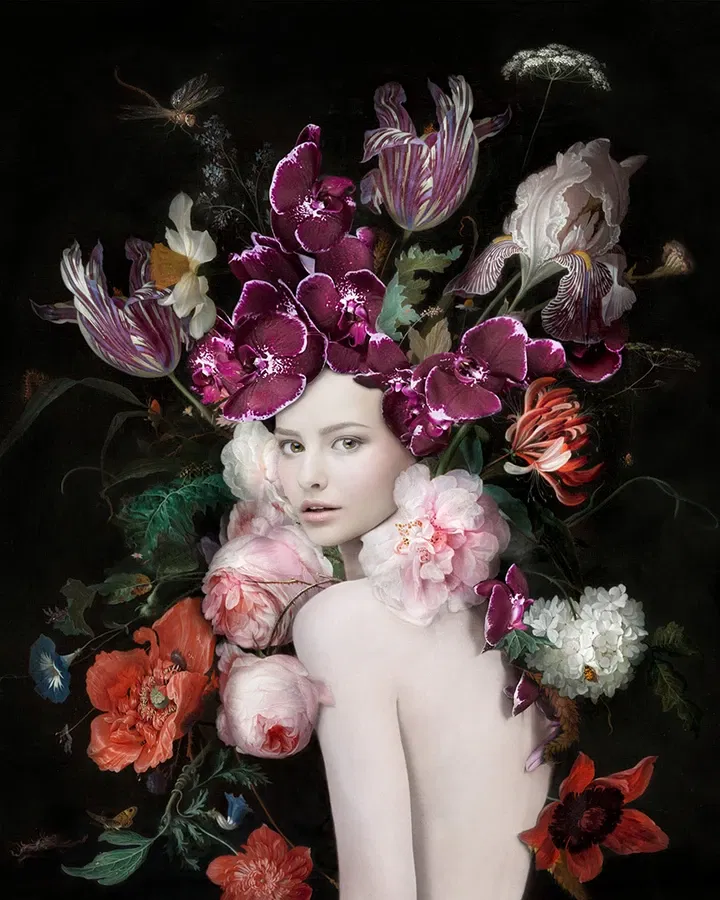
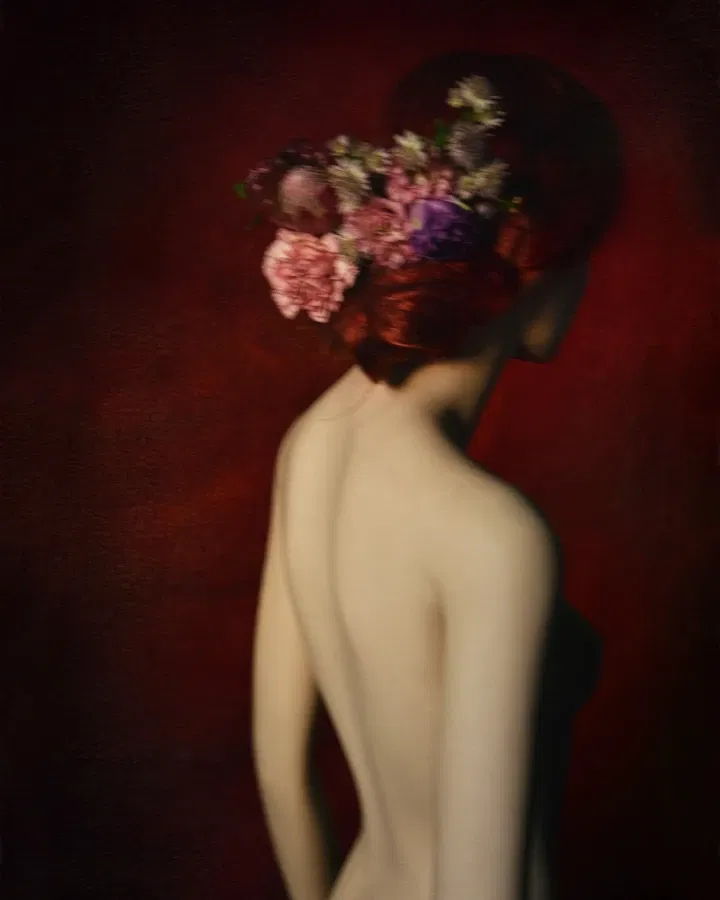
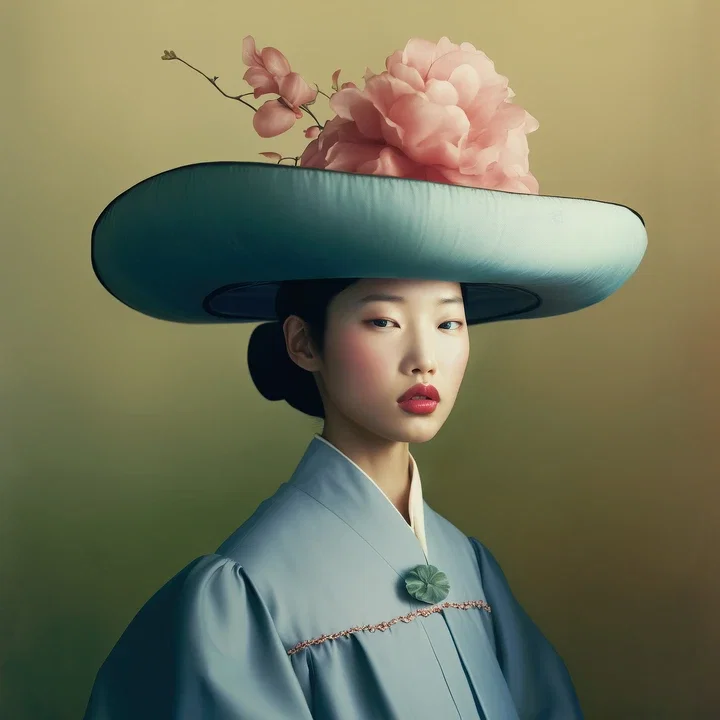
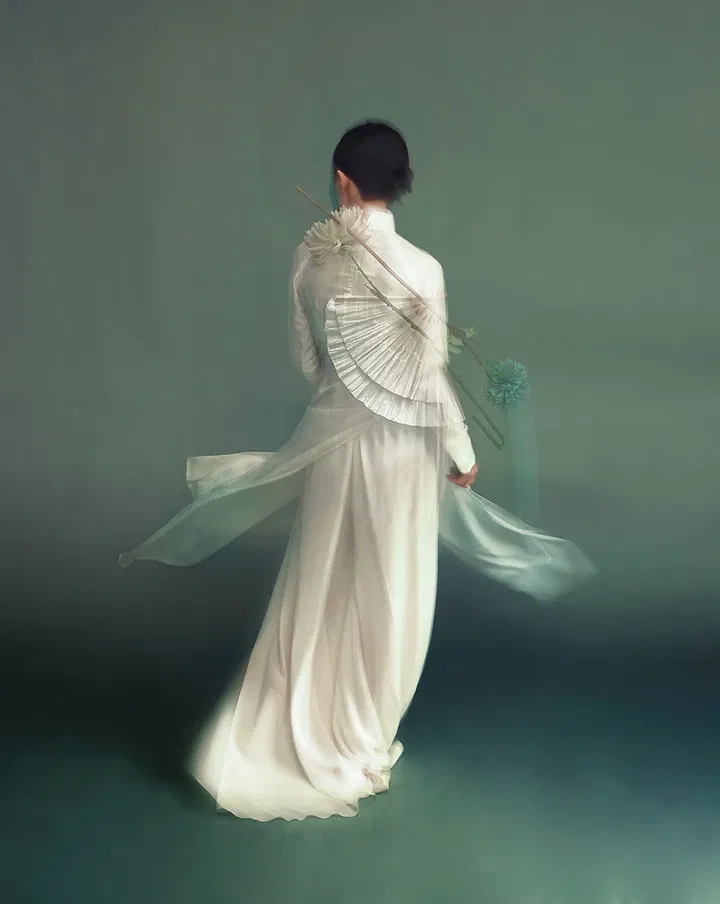
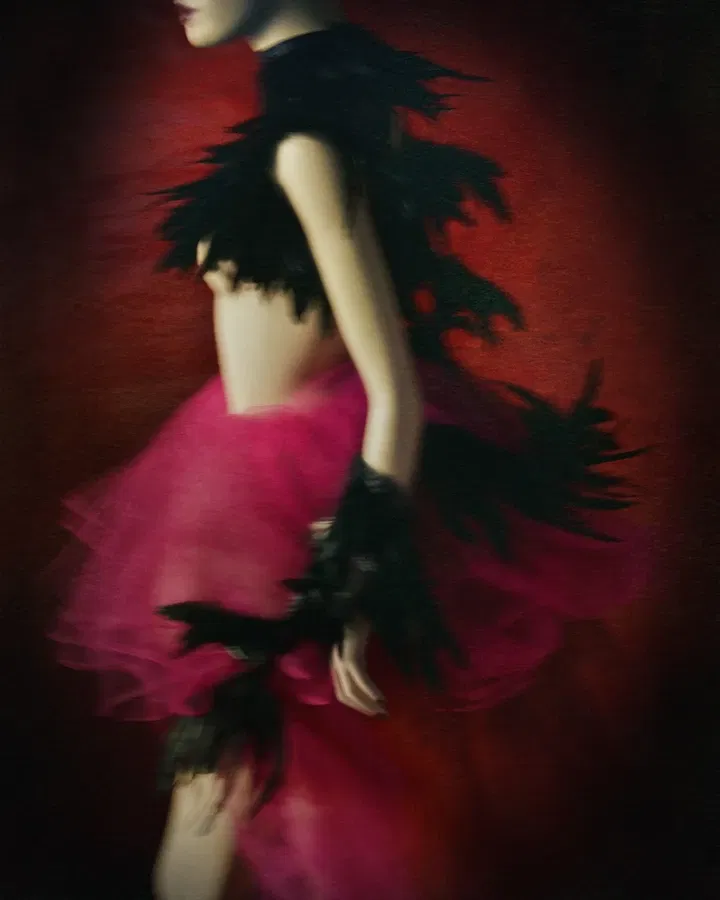
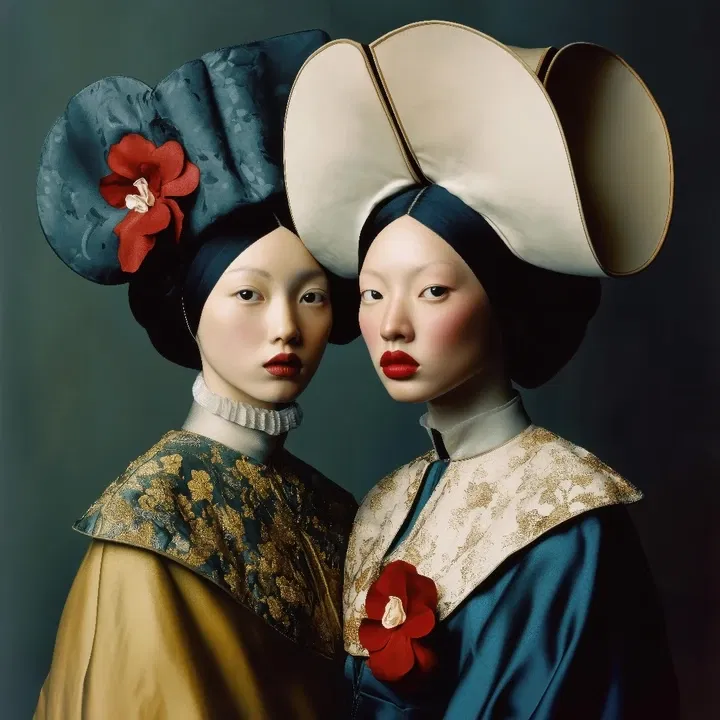
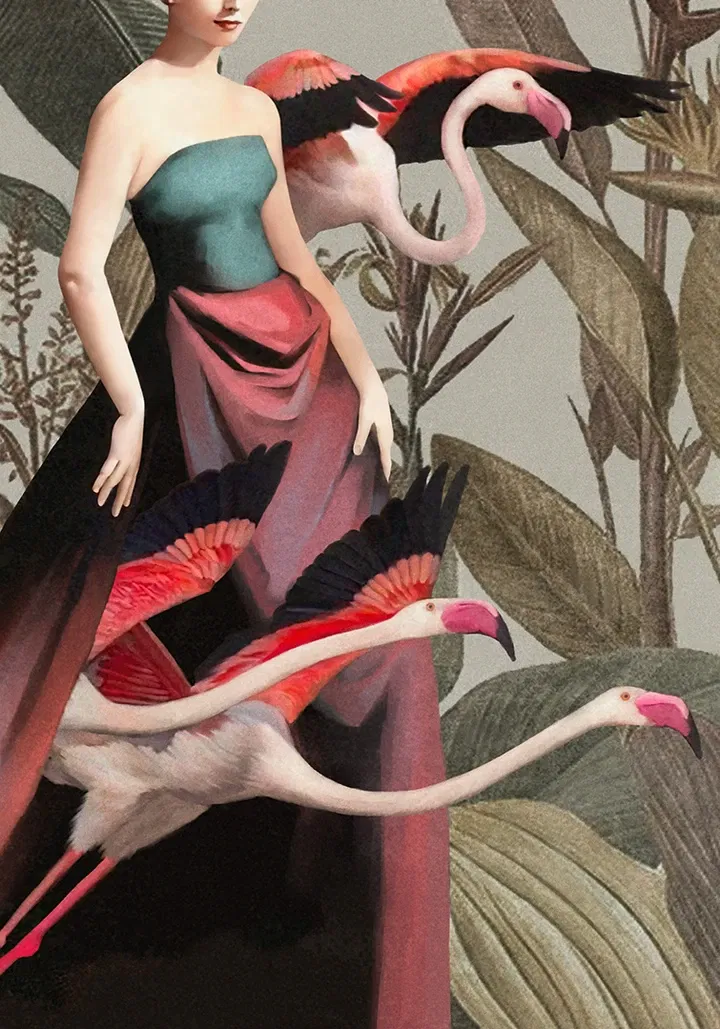
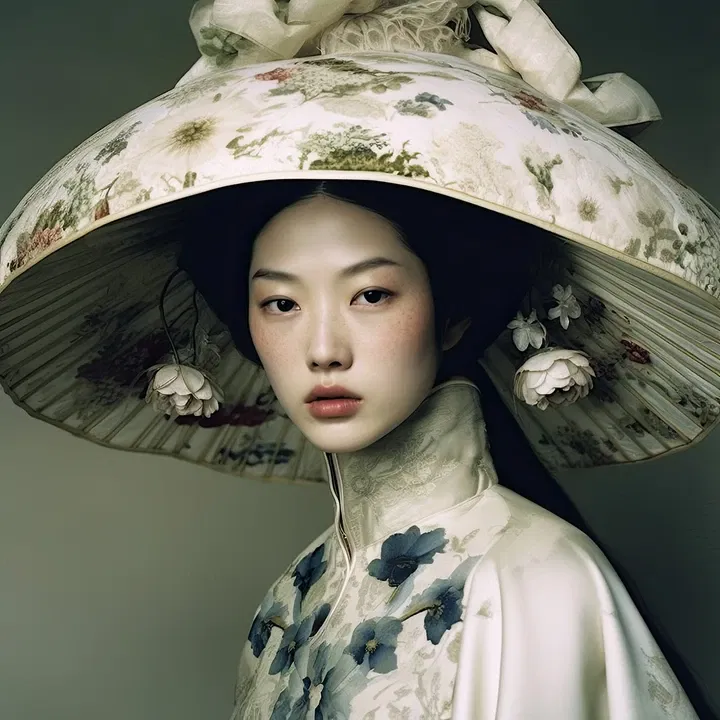
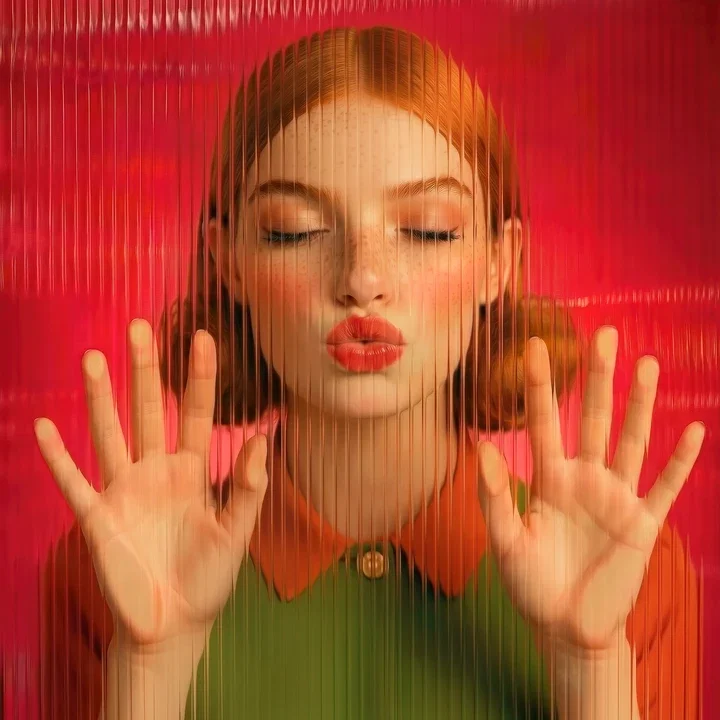
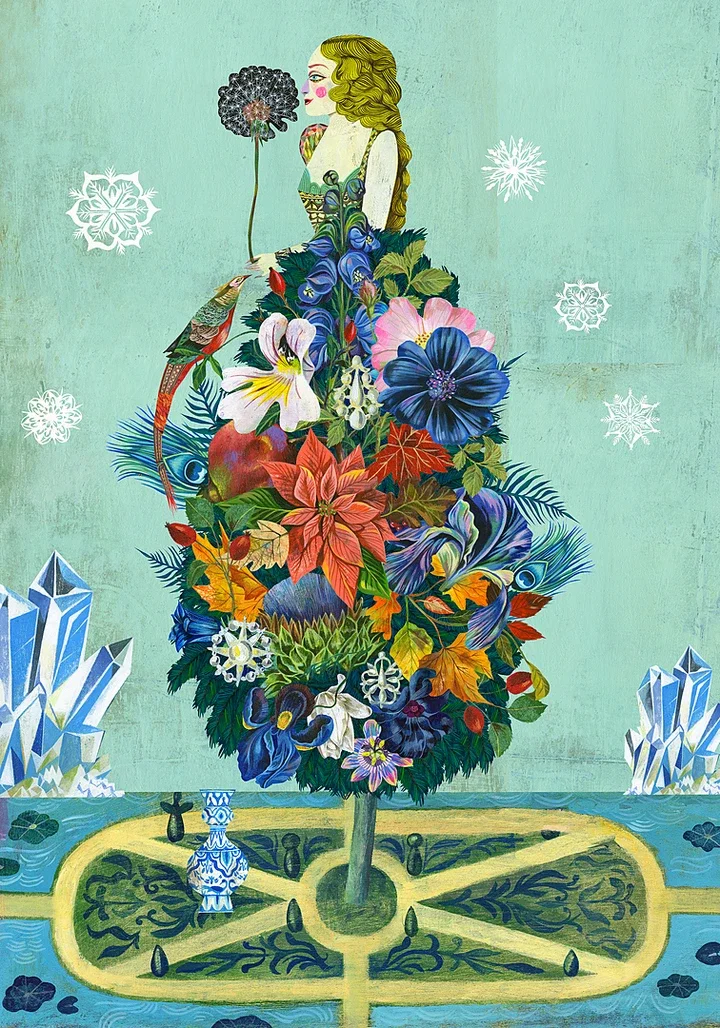
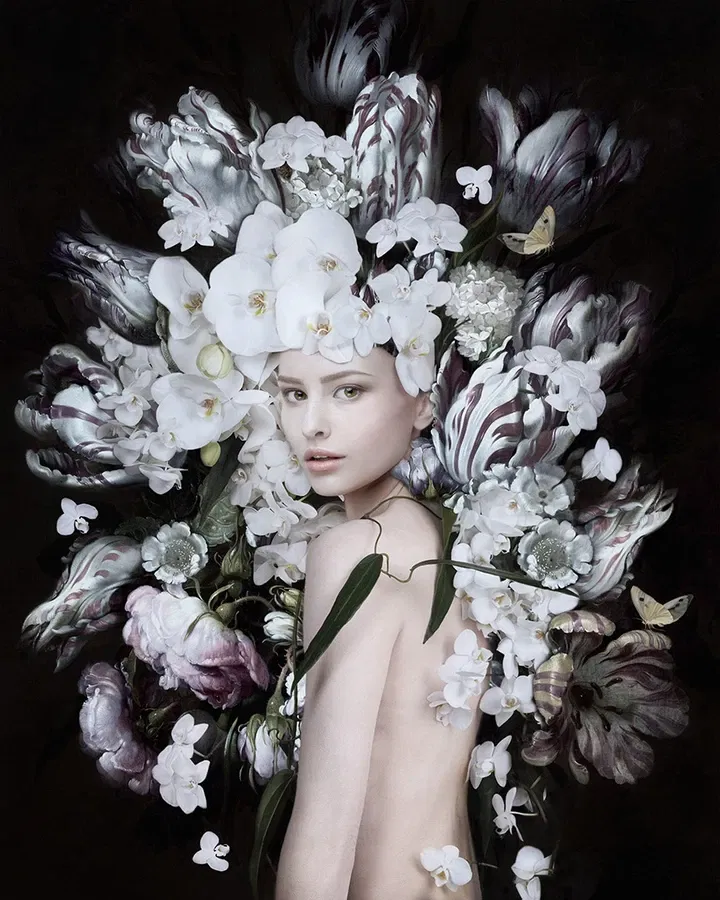
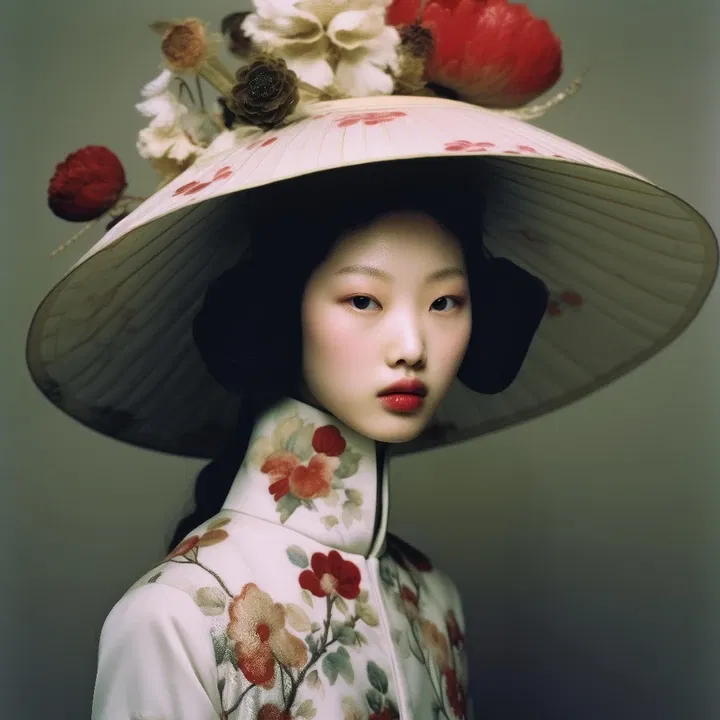
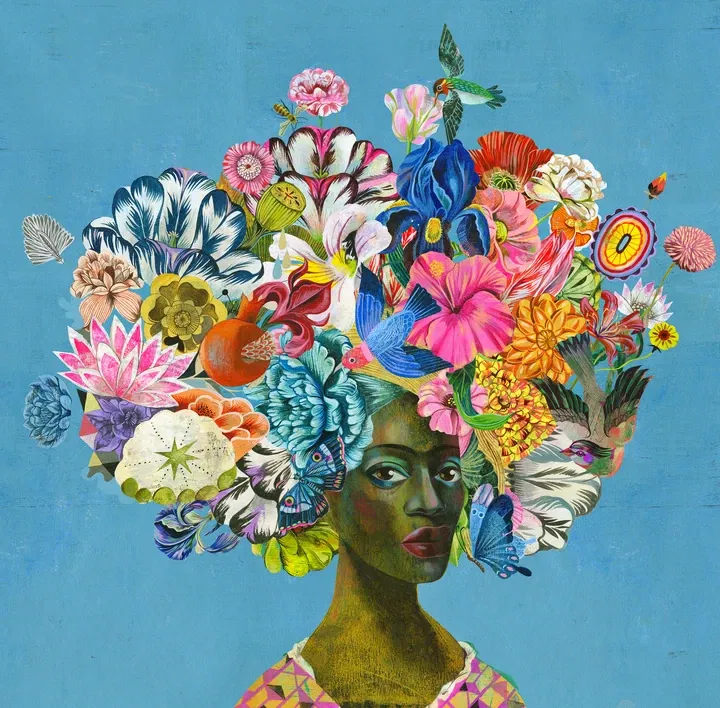
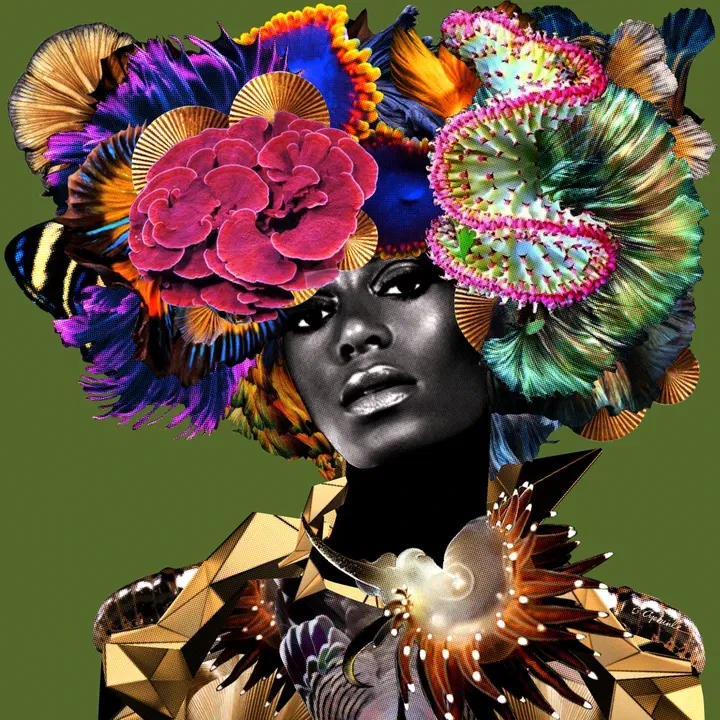
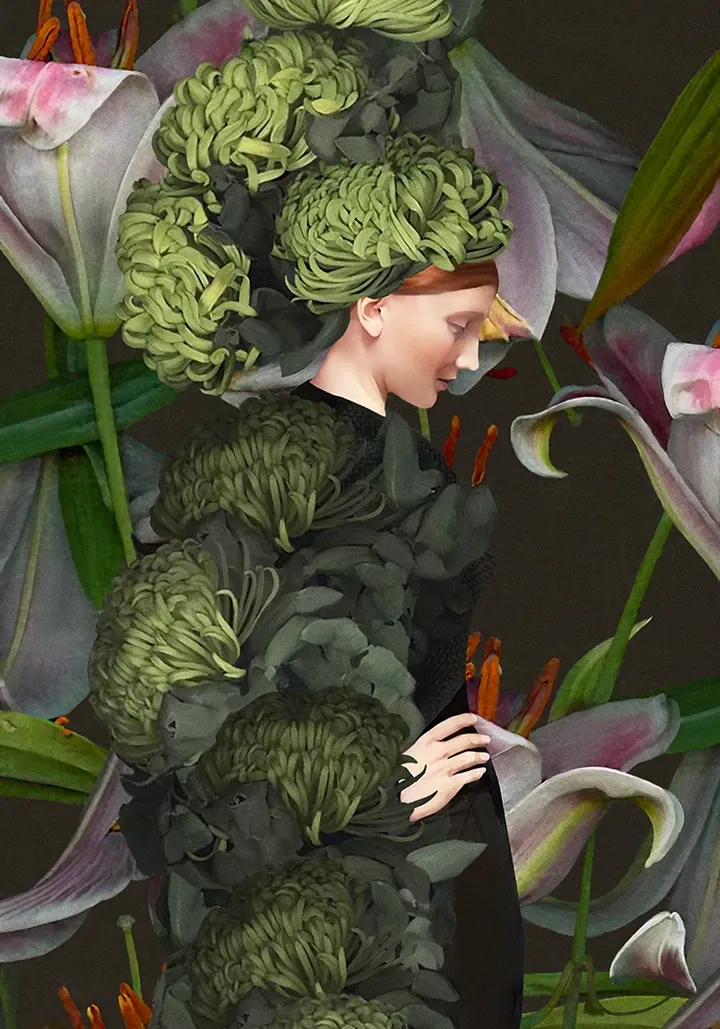
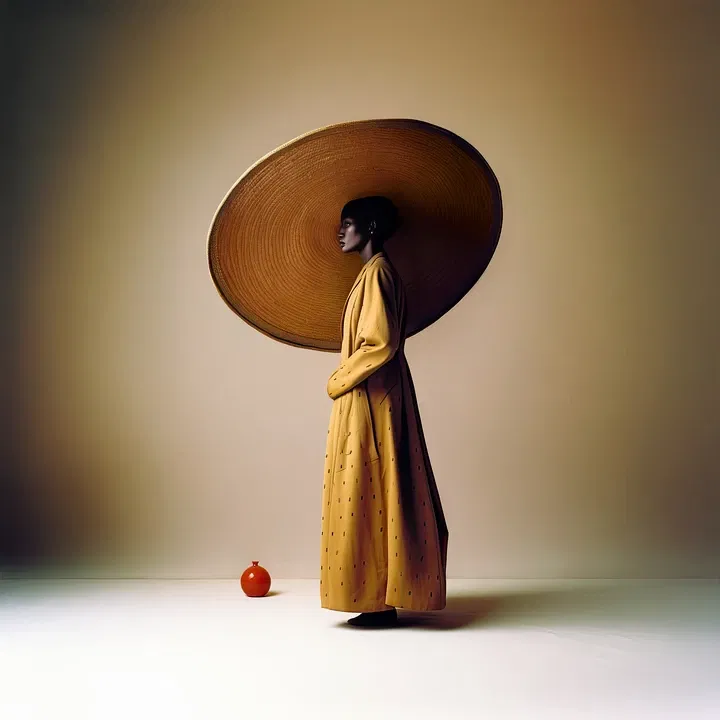
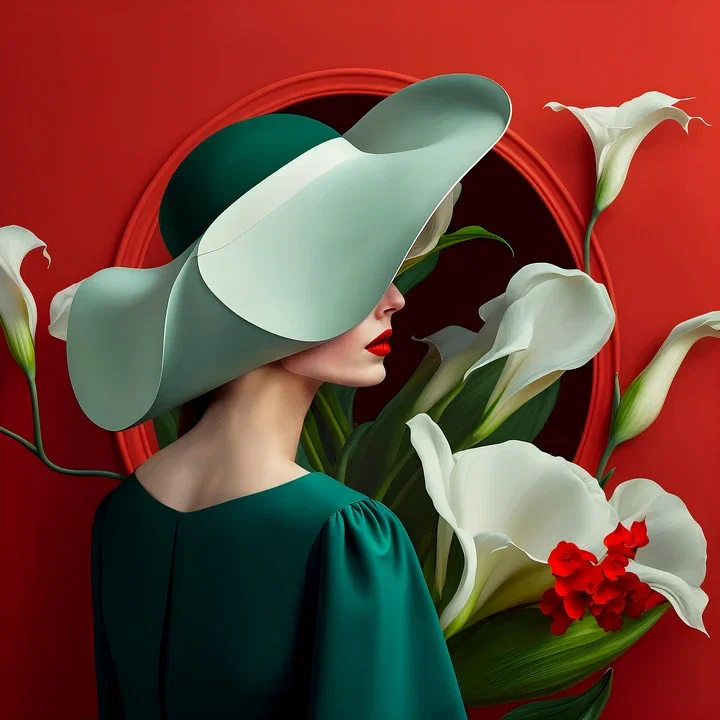
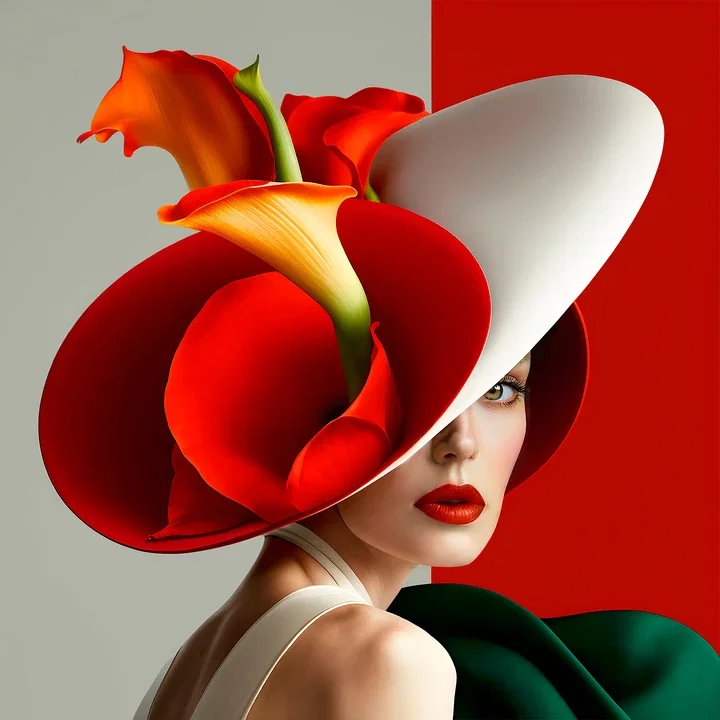
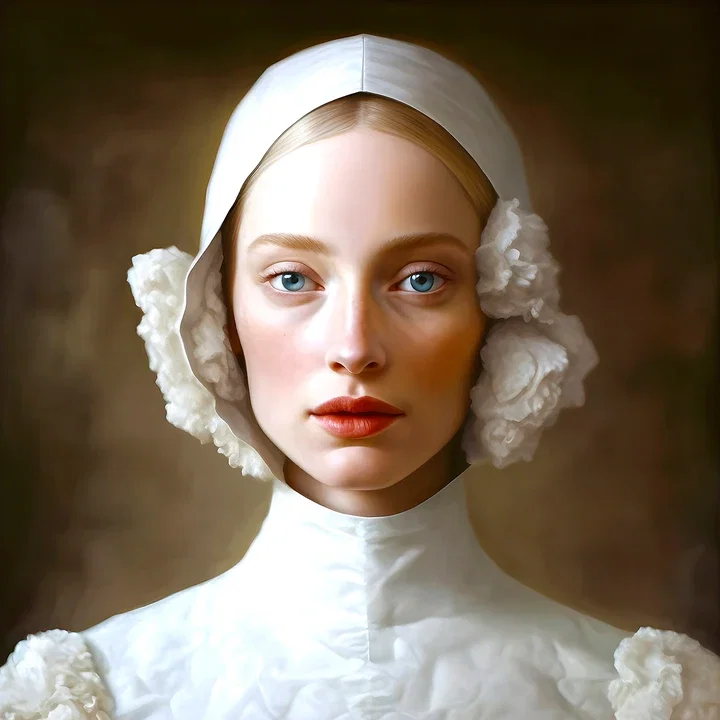
Patrizia Burra stages femininity as a deliberate presence – precise, controlled, and marked by a quiet intensity. Her works are rooted in fashion and editorial photography, yet move beyond the… Read more
Bio Interview
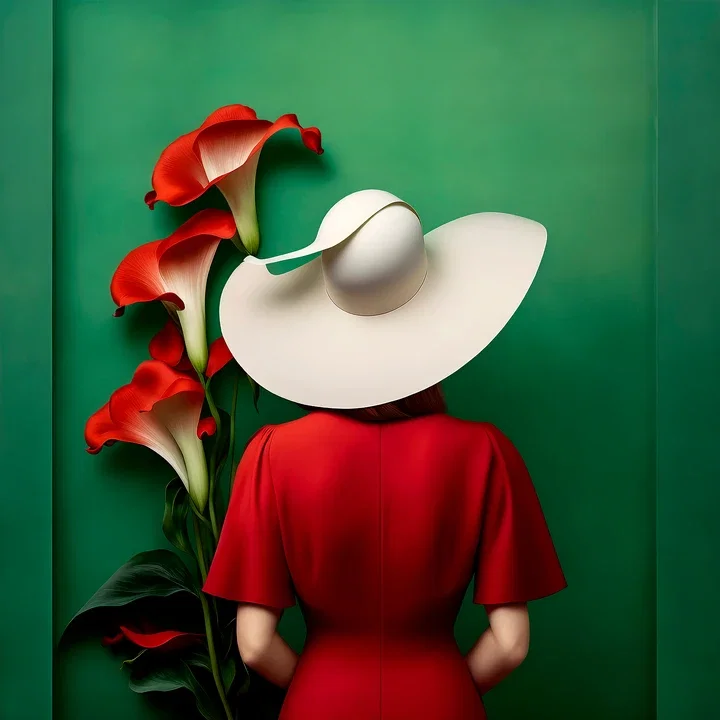
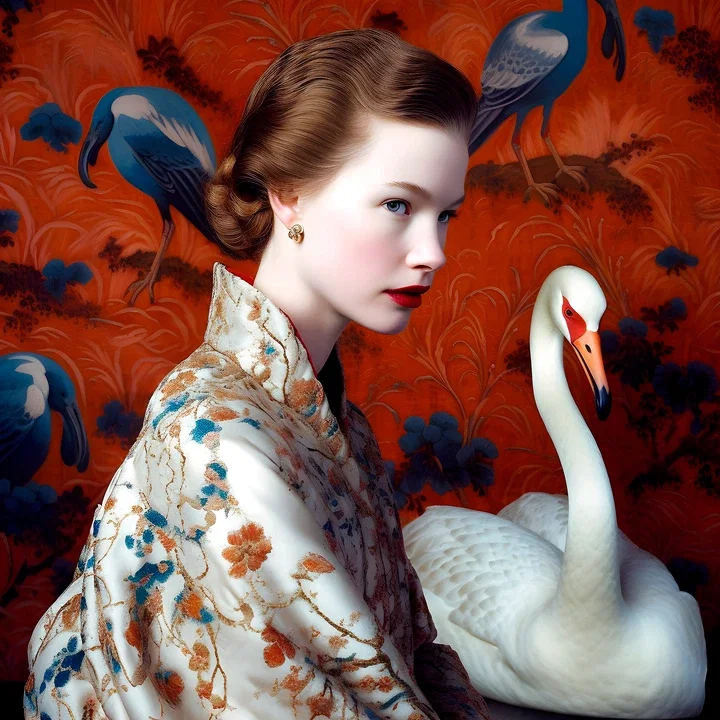
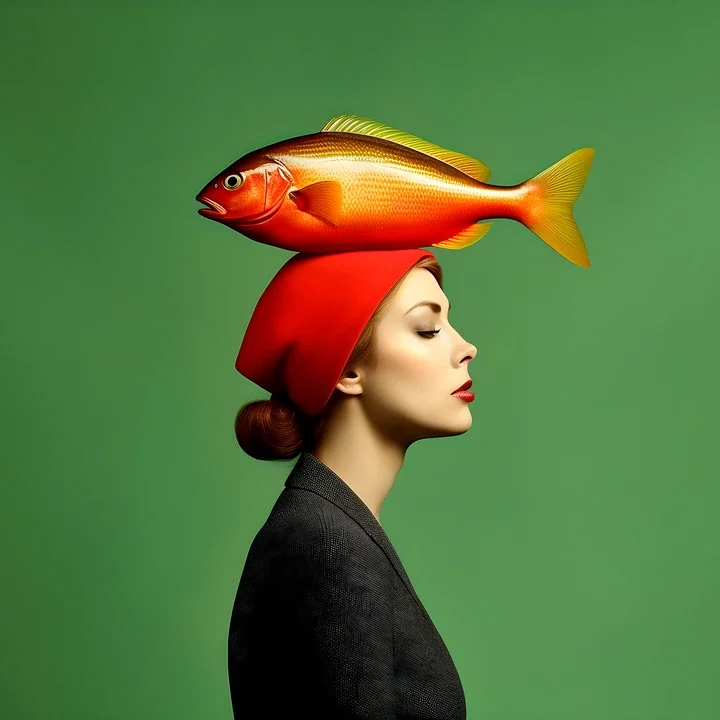
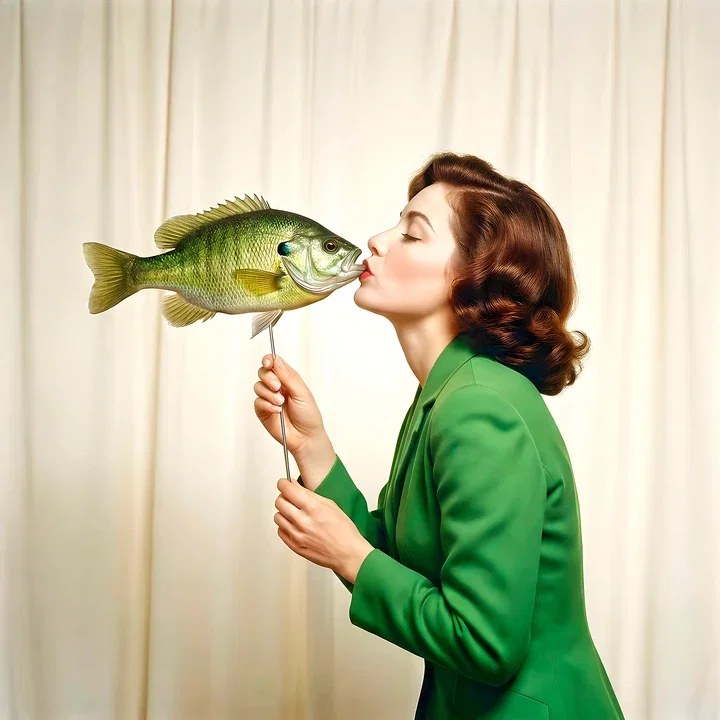
Picasso once said, “you don’t make art, you find it.” Where do you find your art?
I find my art in the space between inner emotion and visual form. Very often it begins with something intangible: a feeling, a memory, a silence, a tension, or a fleeting image that appears almost unexpectedly. I do not look for art in the obvious; I find it in subtle details, in atmospheres, in symbols, and in the invisible emotional undercurrents that can be translated into an image.
From an idea to its materialization: How do you approach your work?
My approach is both intuitive and meticulous. An image often begins as an emotional or symbolic impression, which I then gradually shape into a visual concept. I develop it through research, composition, aesthetic choices, and careful attention to mood, light, gesture, and detail. The process is a dialogue between instinct and control, where the initial idea evolves until it finds its most coherent and evocative form.
What is your favorite book?
Rather than having one single favorite book, I feel a lasting connection to books that explore inner life, symbolism, and existential depth. I am drawn to writing that is psychologically rich, visually evocative, and capable of opening hidden spaces of thought and feeling.
Which artist would you like to have coffee with and what would you discuss?
I would love to have coffee with Gregory Crewdson. I would be fascinated to speak with him about the construction of atmosphere, the emotional power of staged imagery, and the way a photograph can suggest an entire psychological world beyond what is visible. I deeply admire his ability to create images that feel cinematic, mysterious, and profoundly charged with silence and tension. I think it would be a conversation about light, narrative, solitude, and the hidden complexity that can exist within a single frame.
How did you get into art?
My connection with art began very deeply, as a natural way of perceiving and interpreting the world. Over time, photography became the language through which I could give shape to what I felt, imagined, and questioned. Art was never simply an interest for me; it became a necessity, a way to transform perception and emotion into something visible and lasting.
Who are the people in your surroundings that influence you?
I am influenced by people who carry depth, sensitivity, intelligence, and an authentic way of seeing the world. Sometimes influence comes from other artists, sometimes from personal relationships, and sometimes from encounters that leave a subtle but lasting trace. I am particularly drawn to people who challenge perception, open new emotional perspectives, or embody a strong inner world.
Imagine you have a time machine. Where would you go?
I would travel wherever art was capable of changing reality — to a moment in which imagination was still dangerous, visionary, and transformative. Perhaps to a historical avant-garde, perhaps to a dream.
Other than art, what are you most passionate about?
Beyond art, I am deeply passionate about everything that helps me understand emotional depth, human complexity, and perception. I am interested in thought, atmosphere, psychology, beauty, symbolism, and the invisible dimensions of experience. I am also fascinated by anything that allows a deeper connection between inner life and outer expression.
What are you working on right now?
At the moment, I am continuing to develop visual work that explores transformation, symbolism, and emotional resonance through fine-art imagery. I am interested in creating images that feel immersive, precise, and layered with meaning, while also pushing my research further into new conceptual and visual territories. My current work remains focused on building poetic worlds in which elegance and intensity can coexist.