SOLD OUT. This edition was super popular and is now completely sold out. Be the first to hear about new artworks and get early access — sign up now and follow the artist.
Ukrainian photographer Maryna Overchuk masterfully combines technical precision with a finely tuned sensitivity to atmosphere, emotion, and composition. Trained in drawing at art school, she developed a deep understanding of form, light,…
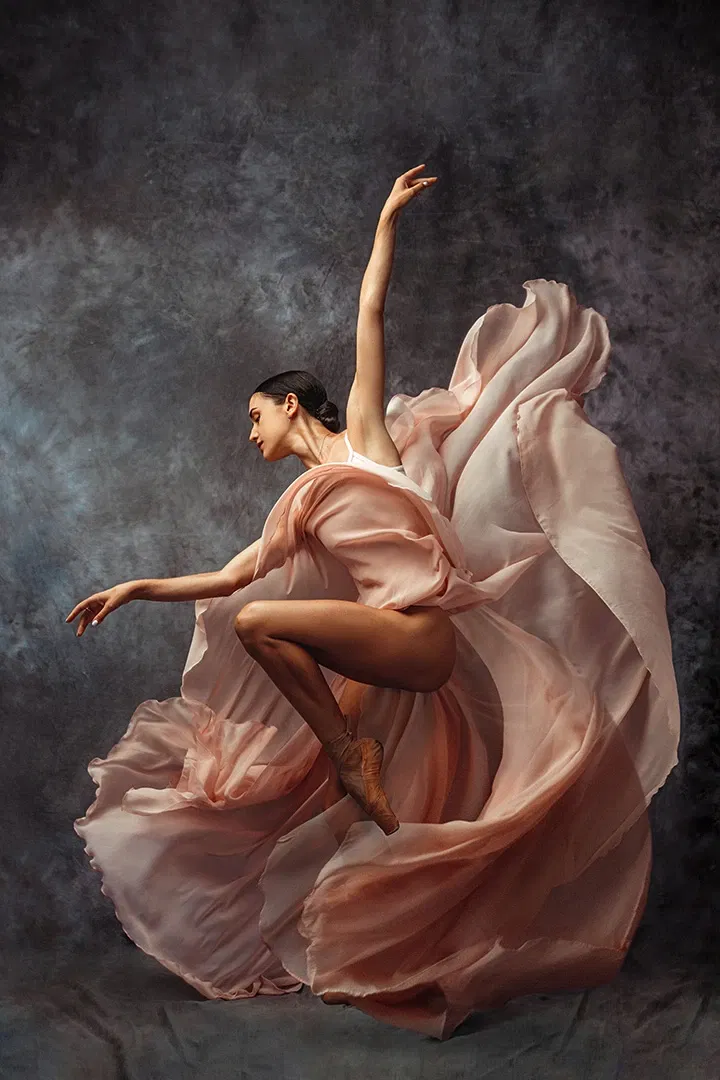
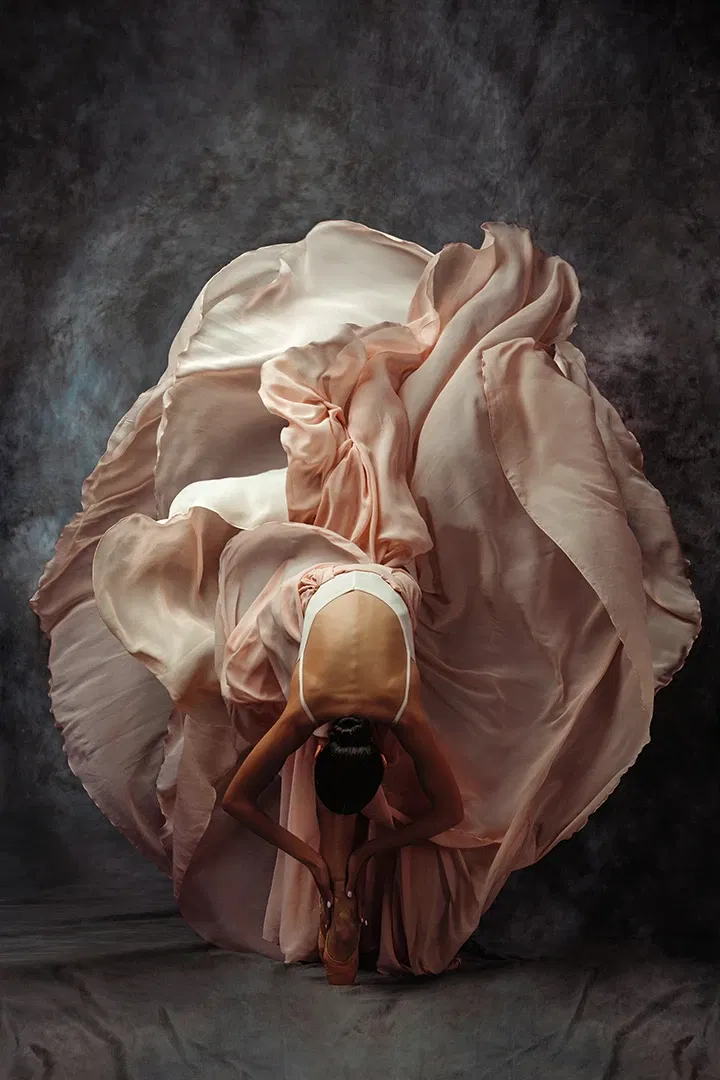
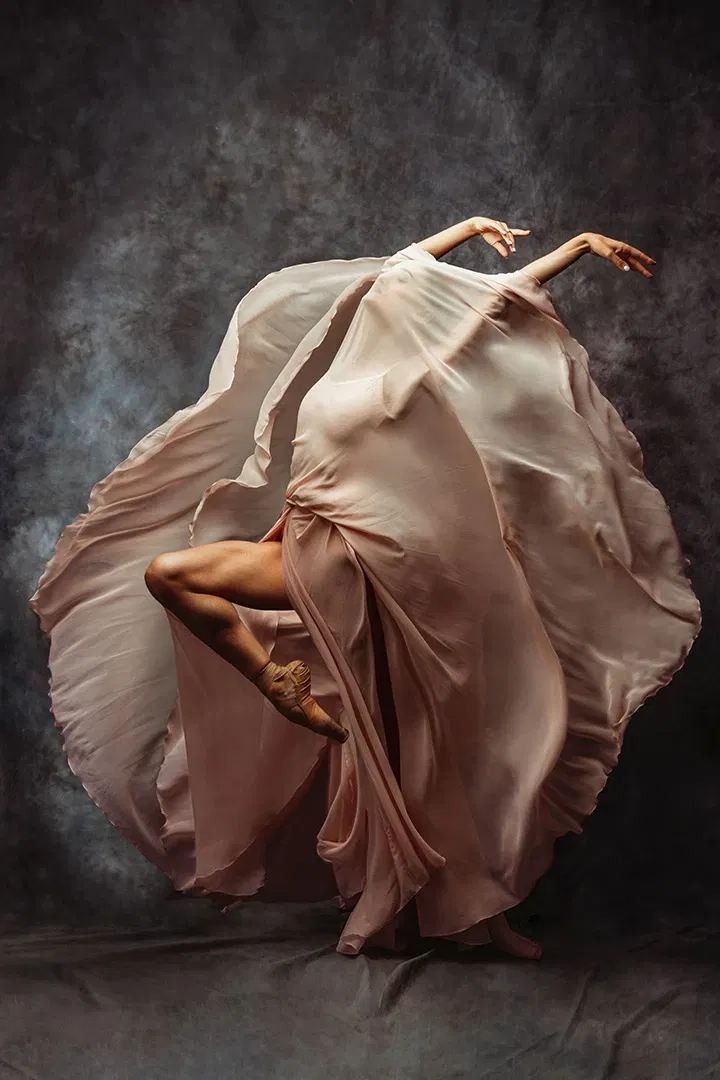
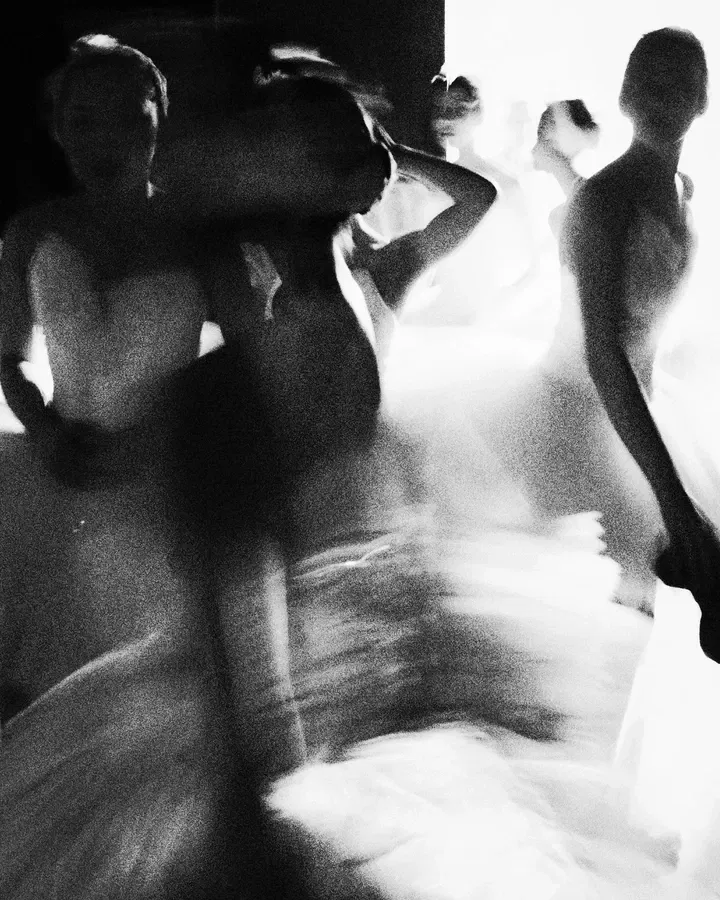
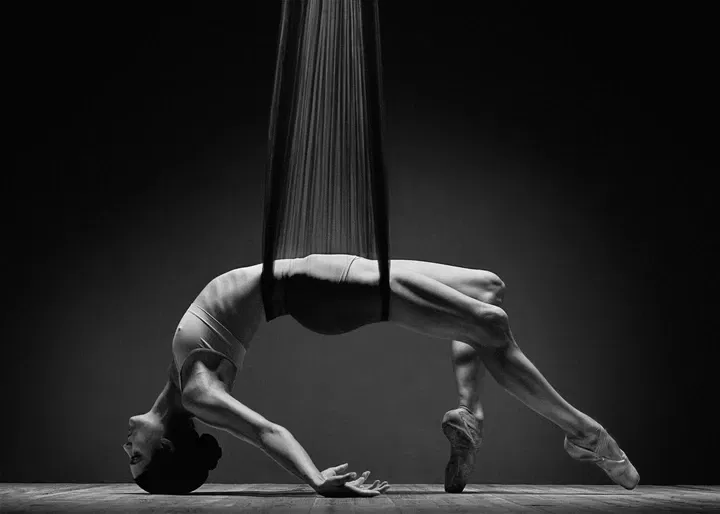
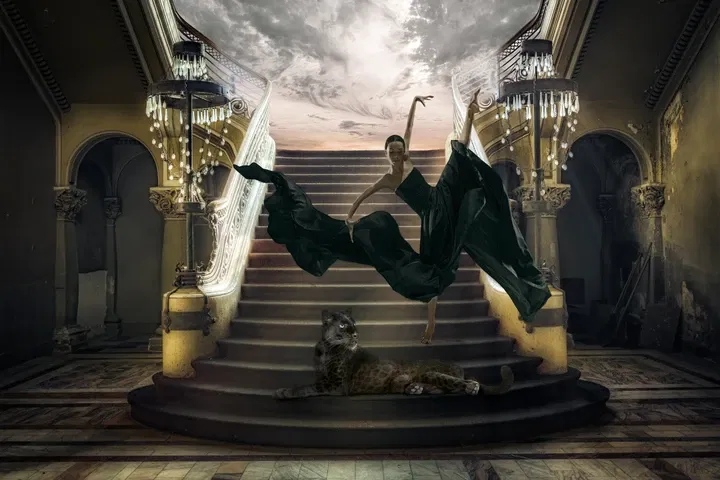
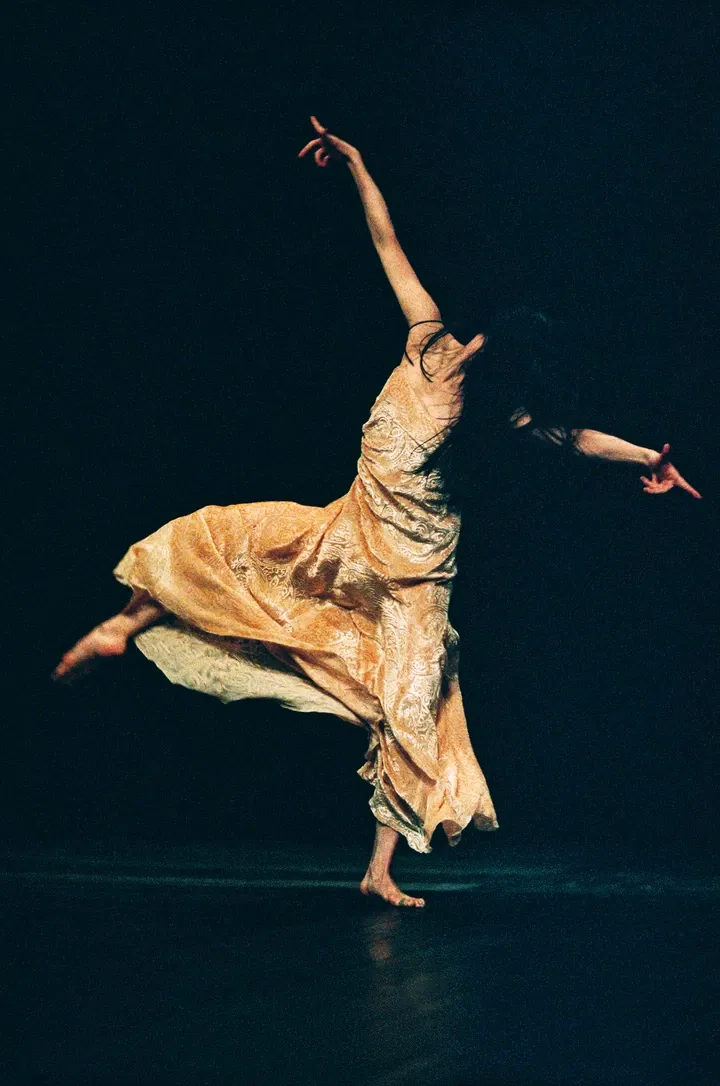
Marina Overchuk’s photographic series Dusty Rose captures ballerinas in graceful motion and a delicate tonal palette. In soft dusty-rose hues, dancers—like Ksenia Dronova—are portrayed in a dreamy setting that blends pastel romance with classical poise. The interplay of light, movement, and color produces fragile yet vibrant tableaux: still moments that pulse with life. Situated between portrait and choreography, Dusty Rose invites viewers to find beauty in the ordinary and rediscover the dance within themselves.
BACKGROUND INFORMATION
Ukrainian photographer Maryna Overchuk masterfully combines technical precision with a finely tuned sensitivity to atmosphere, emotion, and composition. Trained in drawing at art school, she developed a deep understanding of form, light, and structure—an expertise that continues to define her distinctive photographic style. Her work centers on the human form—capturing portraits and the fluid movement of dance. Specializing in fine art, ballet, and lifestyle photography, Overchuk strives not to simply depict a subject, but to reveal its inner essence. Her images do more than freeze a moment; they capture a feeling, a mood, an atmosphere. It is a visual language designed not just to be viewed, but to be felt. Overchuk has spent years cultivating her style, shaped by a sensitive eye and a deep trust in the power of quiet expression. International experiences in Thailand and Indonesia expanded her perspective, as did her work in the dynamic world of sports photography. This diversity is not a break from her artistic identity, but a testament to her approach: openness, focus, and precision. Her artistic journey has earned her worldwide recognition, including exhibitions and accolades such as the Paris, Tokyo, and Budapest Photo Awards and the Luxembourg Art Prize. Maryna Overchuk’s work speaks in a soft, yet commanding voice. She portrays the human being as an almost ethereal artwork—a delicate yet powerful unfolding of grace, dignity, and inner strength.
INTERVIEW
Picasso said: “You do not create art, you find it.” Where do you find your art?
I find art in fleeting moments of everyday life — in light falling on a surface, in a glance, in texture. It is everywhere, you just need to notice it. I am also deeply inspired by movement, especially dance and ballet. The grace, discipline, and the ability to tell stories through movement strongly influence my vision. Beautiful locations — historical theaters, wild landscapes, urban spaces — also play an important role. Cinema is another major source of inspiration for me; I’m fascinated by how directors use framing, color, and light to convey emotions.
From the idea to its materialization: how do you approach your work?
My creative process often starts with a feeling or abstract idea, rather than a clear image. Then I look for ways to express it visually, experimenting with composition, light, and color until it matches my vision.
What is your favorite book?
I am drawn to the works of Ukrainian writers who masterfully convey deep emotions and symbolism. For example, Shadows of Forgotten Ancestors by Mykhailo Kotsiubynsky is true poetry in prose, expressing the connection between a person and nature and the mystical world of the Carpathians. I am also fond of Lina Kostenko — her poetry is filled with strength and philosophical reflections. Modern Ukrainian literature also inspires me — the works of Serhiy Zhadan are imbued with music and a sense of time.
Which artist would you like to have a coffee with, and what would you talk about?
I would love to meet Francesca Woodman to learn more about her creative vision. It would also be interesting to talk with Paolo Roversi and Peter Lindbergh. Their approach to photography is unique: Roversi creates delicate, ethereal images that seem to transcend time, while Lindbergh works with natural beauty, often using black and white, which makes his work timeless. It would be fascinating to hear how they approached creating their iconic images and what inspired them.
How did you come to art, particularly photography?
I started drawing at the age of six and studied academic drawing at art school. This gave me a solid foundation in composition, light, and form. Photography initially was one of the ways to convey my vision, but over time, it became my main tool for self-expression.
How much time and effort does a single photograph require — from concept to final result?
It depends on the project. Some shots come instantly, while others take weeks of experimentation and refinement. Sometimes an idea may take years to materialize.
Who around you influences your creativity?
People strongly influence my creativity, especially my close friends. Their support, energy, and vision help me grow and find new ideas. But in general, there are many strong personalities in Ukraine right now, and this is felt in all areas of life. The courage, determination, and inner strength of people inspire me every day.
Imagine you have a time machine. Where would you go?
I would love to visit Paris in the 1920s — a time of artistic revolutions and cultural changes. It would be fascinating to meet photographers, artists, and writers from that era. I am also drawn to Renaissance Italy — to see how Michelangelo or Leonardo da Vinci worked. Another interesting era for me is the Golden Age of Hollywood, when cinema was developing its visual style at the highest level.
Besides art, what else fascinates you?
Travel, literature, art history, and psychology — all of these, to some extent, find reflection in my work. Travel opens new perspectives, allowing me to see the world through the lens of different cultures. Literature expands my inner world and way of thinking. Psychology helps me better understand human emotions, which is crucial for my art.
What are you working on right now?
Currently, I am working on four projects:
· The relationship between nature and ballet — exploring the harmony between movement and natural landscapes.
· Ballet and the knight in one frame — contrasting the strength of armor with the grace of dance.
· The male body in ballet — the plasticity, form, and expressiveness of movement.
· Dance of two — exploring interaction, history, and emotions through movement.
Is there anything else you would like to add about yourself and your work?
For me, art is a way of communicating without words. I strive to create images that not only capture a beautiful moment but also evoke emotions, make one think, or feel something deep. Each of my photographs is an attempt to tell a story, convey a mood, and create a unique atmosphere. It’s important not just to see the image, but to experience it.
LUMAS ART NEWS
Exclusive offers
Inspiring new releases
Personal invitations to Art Events
LUMAS protects your data. See our Privacy Policy for details.
ALMOST DONE ...
1. Open the confirmation mail.
2. Click on the confirmation link.
3. Your wishlist registration was successful!
4. Your wishlist has been saved!
We look forward to welcoming you soon to the world of LUMAS.
DIGITAL PREVIEW
SCAN THE QR CODE! (Safari IPHONE ONLY)
PREVIEW ON YOUR WALL
SCAN THE QR CODE! (Safari IPHONE ONLY)
90% of our customers order mounting or framing for a perfect gallery look.
Fully protected by our 30 day return policy.
Ready to Hang.
Elevates the artwork to true gallery quality.
Continue without mounting or framing?
* Rolled prints are final sale and cannot be returned or retrofitted with our frames




 About Maryna OverchukUkrainian photographer Maryna Overchuk masterfully combines technical precision with a finely tuned sensitivity to atmosphere, emotion, and composition. Trained in drawing at art school, she developed a deep understanding of form, light,…