


Romantic Images
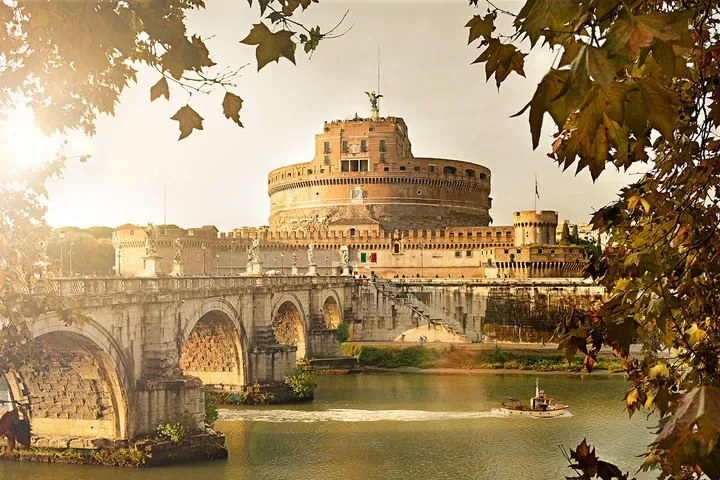
Romantic images speak directly to our emotions. What we understand by the term romantic goes back to the art and literary period of the early 19th century. Discover wall art featuring romantic themes, fairy-tale charm, and dreaminess at LUMAS!
Filters
Remove All Filters


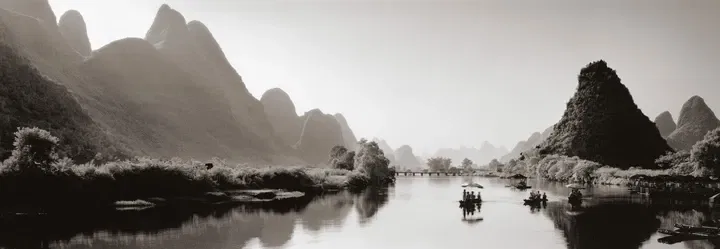
Yangshuo, China
Helmut Hirler
from € 529
Unfortunately, this artwork cannot be added to the room view.

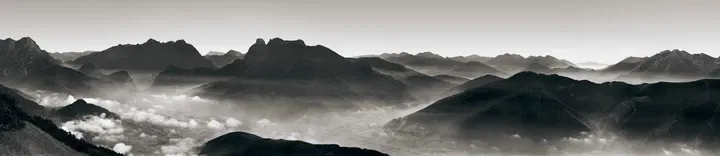
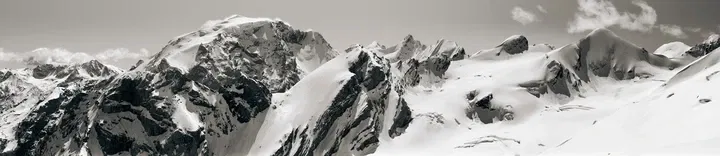
Ennstaler Alpen
Rudolf Rother
from € 379
Unfortunately, this artwork cannot be added to the room view.
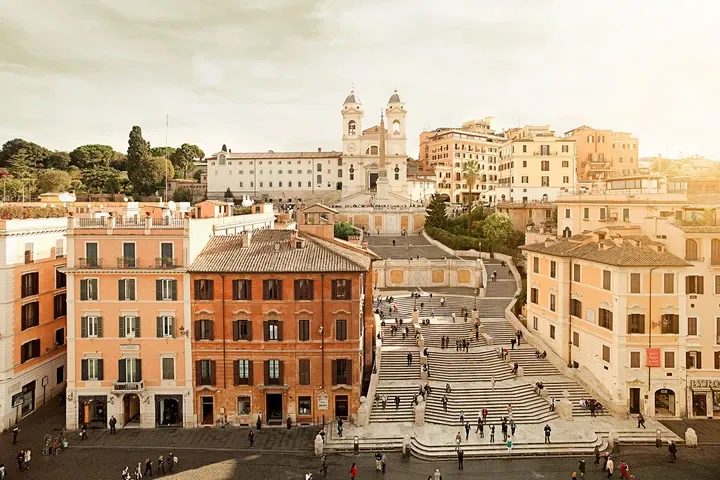
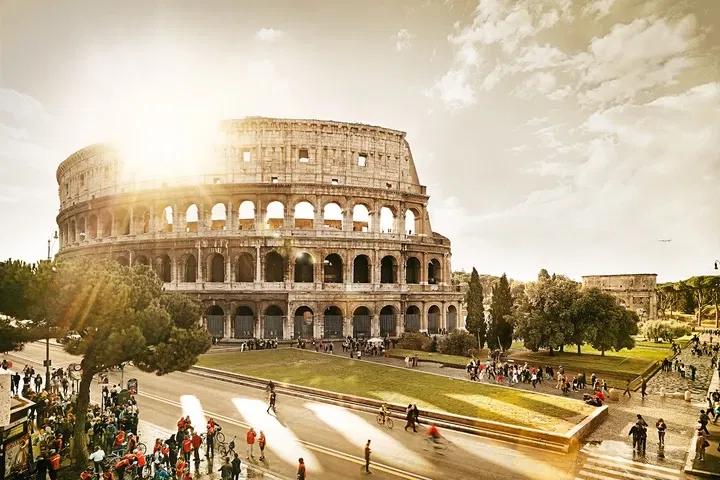
Spanische Treppe
Tom Nagy
from € 1,699
Unfortunately, this artwork cannot be added to the room view.

Contents – Romantic Images:
Images of Romanticism, images of an era
Famous Romantic Artists
Romantic Images and Motifs
Romanticism Timeline
Images of Romanticism, Images of an Era
The French Revolution of 1789 marked a turning point for art, literature, and politics in Europe. Other developments such as the Enlightenment, scientific progress, the advancement of industrialization, and the Coalition Wars under Napoleon Bonaparte shaped this exciting period. Artists of the Romantic era responded to these events in their own unique way.
In Classicism, which occurred slightly earlier but also in parallel, antiquity and the rationality of Enlightenment efforts were the main inspirations. Romantic artists, however, turned toward emotion, the unreal, the uncanny, fairy tales, folk legends, and the Middle Ages as a time of longing. The term Romanticism derives from the Lingua Romana, meaning the Romance languages, and thus emphasizes the folkloric. The Romantic era in painting is generally dated from around 1795 to the end of the 19th century. Several other art movements, such as Classicism (especially in architecture) and Biedermeier, existed alongside it.
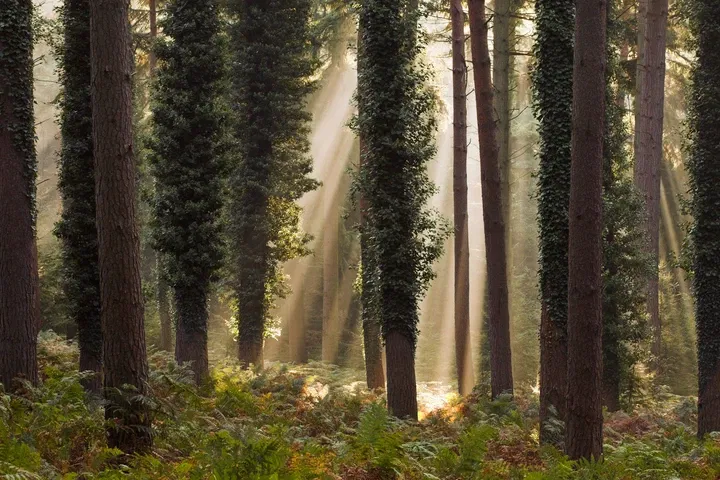
New Forest Trees
David Baker
from € 929
2 sizes available
Unfortunately, this artwork cannot be added to the room view.
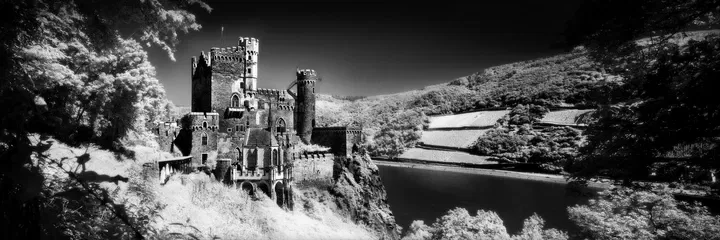
Burg Rheinstein
Wolfgang Mothes
from € 539
3 sizes available
Unfortunately, this artwork cannot be added to the room view.
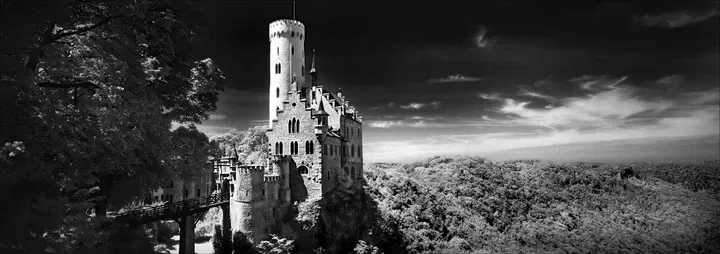
Schloss Lichtenstein
Wolfgang Mothes
from € 539
3 sizes available
Unfortunately, this artwork cannot be added to the room view.
Famous Romantic Artists
In Germany, we primarily associate Caspar David Friedrich with Romantic imagery. The northern German painter created world-renowned works such as Wanderer above the Sea of Fog (1818) and Chalk Cliffs on Rügen (1818). Friedrich’s landscapes are artistic compositions that serve as a spiritual reflection on nature and the divine. The idea of landscape as having its own inherent value, with figures serving more than just allegorical purposes, was revolutionary. British artists William Turner and John Constable also created landscapes that were not just decorative but intended to evoke emotional states in viewers.
Especially through their use of color and light, Romantic landscape painters laid the groundwork for Impressionist art, which would not fully emerge until the late 19th century. Other notable painters and artists include: Caroline Bardua, Carl Spitzweg, William Blake, Angelika Kauffmann, Francisco de Goya, Johann Heinrich Füssli, Barbara Kraft, Théodore Géricault, Eugène Delacroix, and Philipp Otto Runge. During this time, the role of the independent artist emerged—no longer reliant on the favor and commissions of royal courts. This period also opened up more opportunities for women to pursue careers as artists.
Romantic Images and Motifs
The paintings and artworks of Romanticism often have no unifying stylistic features in brushwork or formal language. What connects them are their themes, motifs—and above all, emotion. Discover with our LUMAS artists how the dreamlike and the irrational, or the world of myths and fairy tales, continue to inspire contemporary artists today!
Emotional Landscapes as Romantic Imagery
Romantic landscape painting focused on the soulful character of nature. Through the use of light and color, these landscape images transcend pure realism and become an expression of longing. Sometimes eerie, sometimes a mirror of inner emotional states or spiritual depth, nature takes on a central role in this era.
Françoise Gaujour embraces these internal landscapes and translates them into the modern medium of photography. The blending of horizon and sky in soft pastel tones is just as fluid as in the works of Caspar David Friedrich. The artist Santiago also references the masters of Romanticism. Solitary figures wander through misty landscapes, appearing almost like paintings. In the interplay of light between sky and earth, we feel as if we are standing inside a painting by William Turner.
The panoramic works by Hans Gasser feel so otherworldly—almost like Surrealist images—that it’s hard to believe they depict our own planet. An eerie yet fascinating atmosphere is created!
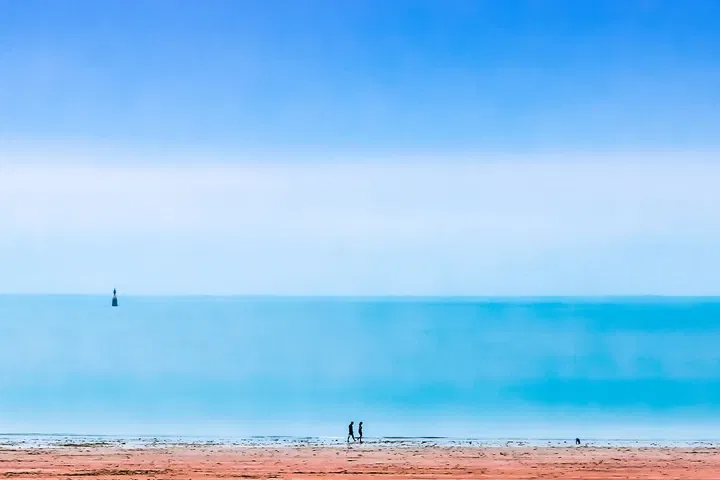
Happy Together
Françoise Gaujour
from € 1,009
2 sizes available
Unfortunately, this artwork cannot be added to the room view.
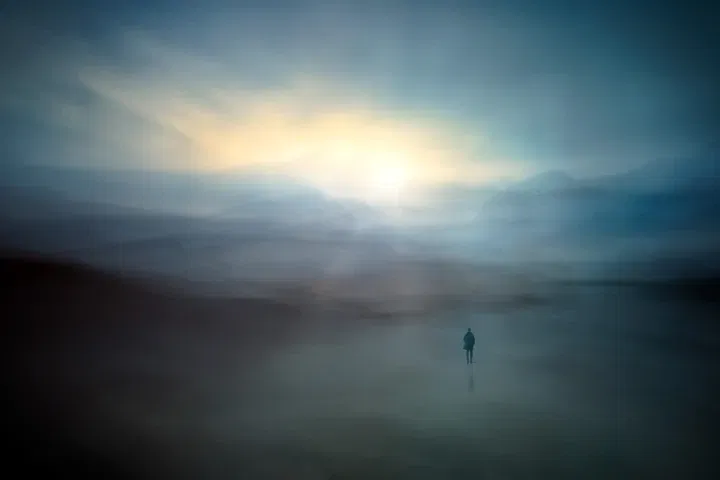
Alone at dusk
Santiago
from € 929
2 sizes available
Unfortunately, this artwork cannot be added to the room view.
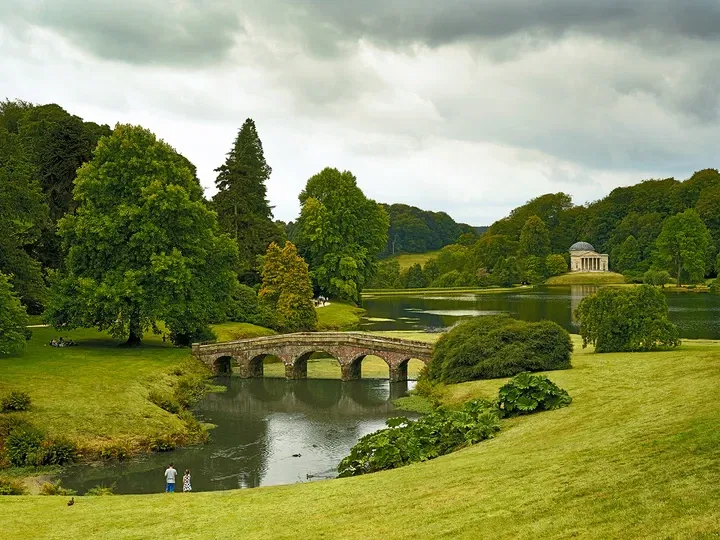
Stourhead II
Horst & Daniel Zielske
from € 1,039
3 sizes available
Unfortunately, this artwork cannot be added to the room view.
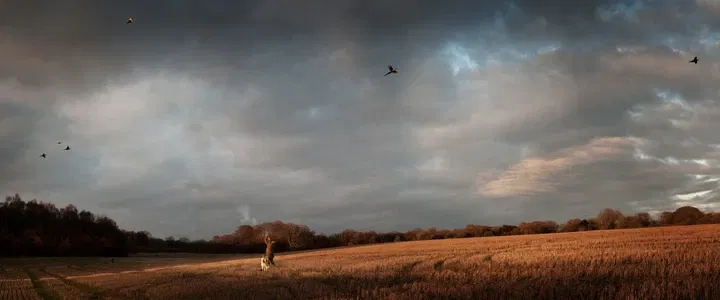
Shooting Party On Lord Shaftesbury's Estate
Justin Barton
from € 879
3 sizes available
Unfortunately, this artwork cannot be added to the room view.
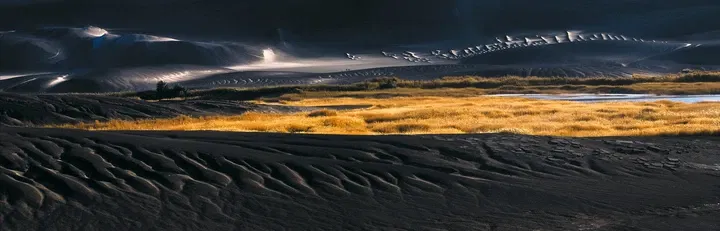
Wau an Namus / Libya III
Hans Gasser
from € 499
2 sizes available
Unfortunately, this artwork cannot be added to the room view.
Figures Seen from Behind in Romantic Imagery
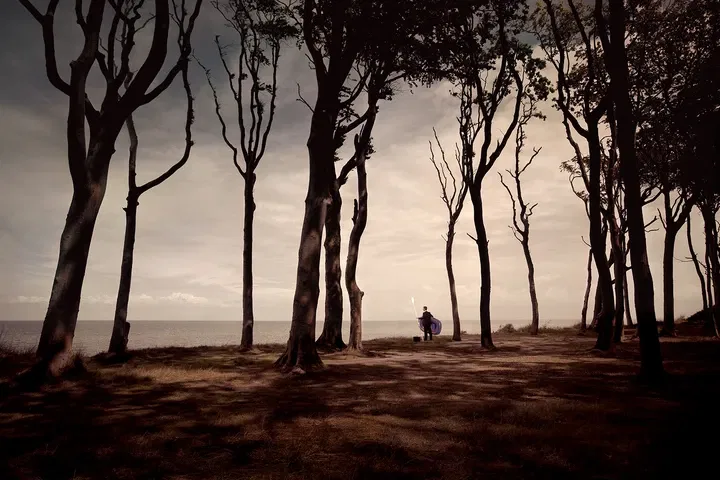
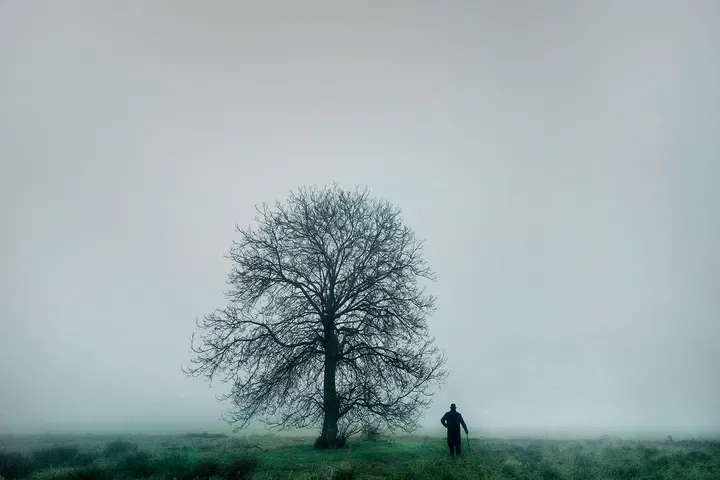
For the first time in Romanticism, the figure seen from behind takes on a central role. No longer just a stylistic or compositional element, the figure from behind offers us a means of identification. We dream, reflect, or contemplate alongside the figure portrayed as they gaze at a landscape or a view through a window. What do they see? What do they feel while looking into the distance? We can’t read their facial expression, as they turn their back to us—but this opens the space for our own thoughts to wander as we engage contemplatively with the scene, nature, or the threshold between outside and inside.
Aida Pascual Benito masterfully captures these figures. The mysterious, often fog-shrouded landscape becomes a place of retreat for her figures seen from behind or in profile. Andreas Chudowski subtly references Monk by the Sea. His back-turned figure comments on modern crises, yet remains as timeless as the Romantic longing for the sea. To this day, the figure from behind invites reflection—drawing us into the visual plane and leaving space for personal interpretation. We see this, for example, in the fashion photography of Wilfried Wulff. Gustav Deutsch also uses this motif, inviting us to gaze out of the window alongside the subject.
Solitude
Aida Pascual Benito
from € 1,319
2 sizes available
Unfortunately, this artwork cannot be added to the room view.
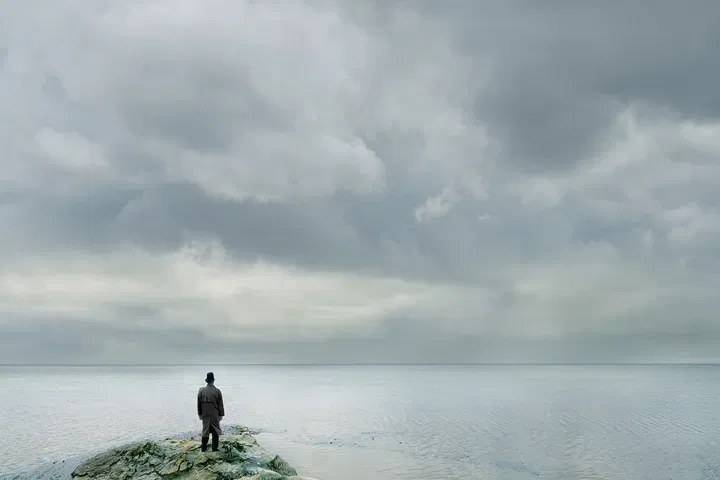
Calm
Aida Pascual Benito
from € 1,319
2 sizes available
Unfortunately, this artwork cannot be added to the room view.
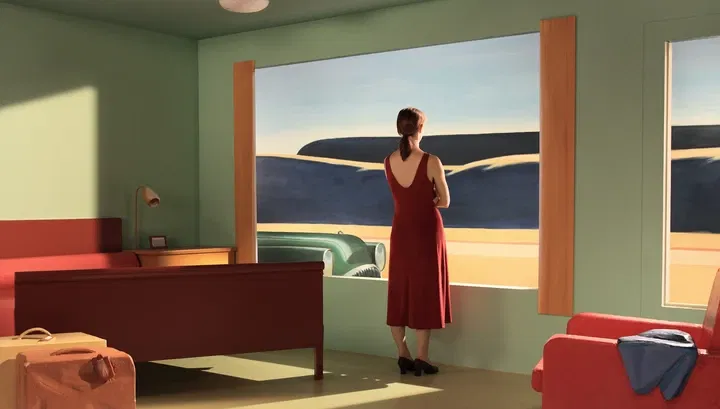
Western Motel
Gustav Deutsch
from € 639
2 sizes available
Unfortunately, this artwork cannot be added to the room view.
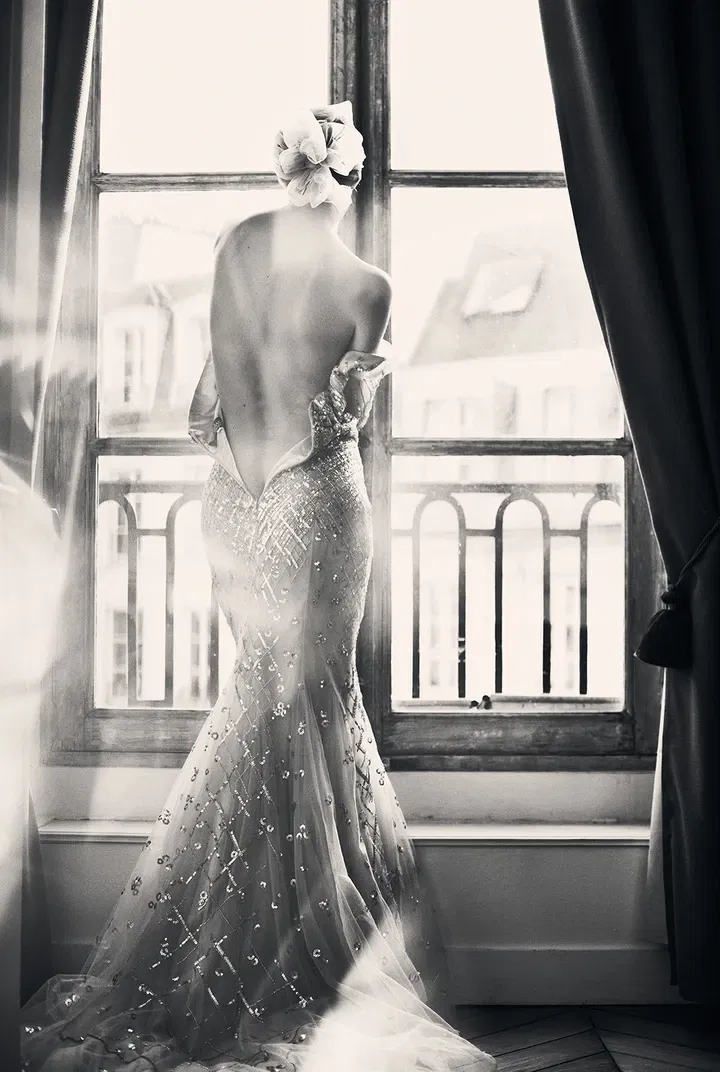
Place Dauphine
Wilfried Wulff
from € 859
2 sizes available
Unfortunately, this artwork cannot be added to the room view.
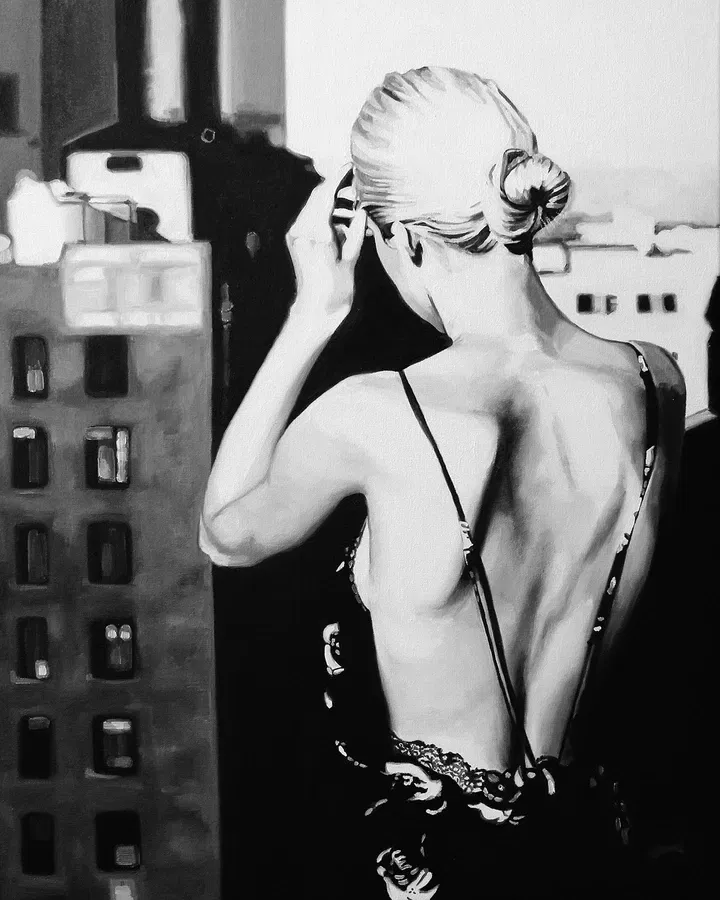
Just Breathe
Cindy Press
from € 469
2 sizes available
Unfortunately, this artwork cannot be added to the room view.
Fairy-Tale Forests as Romantic Imagery
Fairy tales and the apparent unity of humanity and religion in the Middle Ages served as major inspirations during the Romantic era. It was also during this time that the Brothers Grimm compiled their Children’s and Household Tales (1812). Mary Shelley wrote her world-famous gothic novel Frankenstein (1818). While Romantic enthusiasm sometimes shifted into nationalism back then, today we celebrate an international artistic community whose enchanted forests continue to captivate us.
Chinese photographer Zhang Wang captures soulful nature through his lens—a spiritual and human unity set in the breathtaking landscapes of Chinese forests. David Baker explores the woods of his southern English homeland, capturing them in mystical moods at different times of day. One can almost imagine Little Red Riding Hood appearing in the distance. Frank Stöckel, on the other hand, portrays the German wildlife. Red deer take center stage in his photography, caught for a fleeting moment in the camera’s light before disappearing once more into the forest underbrush.
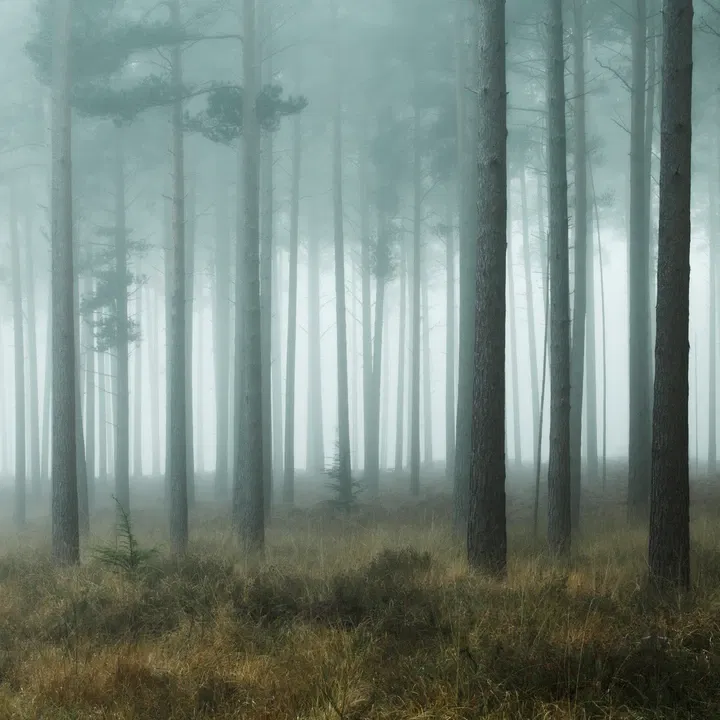
New Forest Mist
David Baker
from € 469
2 sizes available
Unfortunately, this artwork cannot be added to the room view.
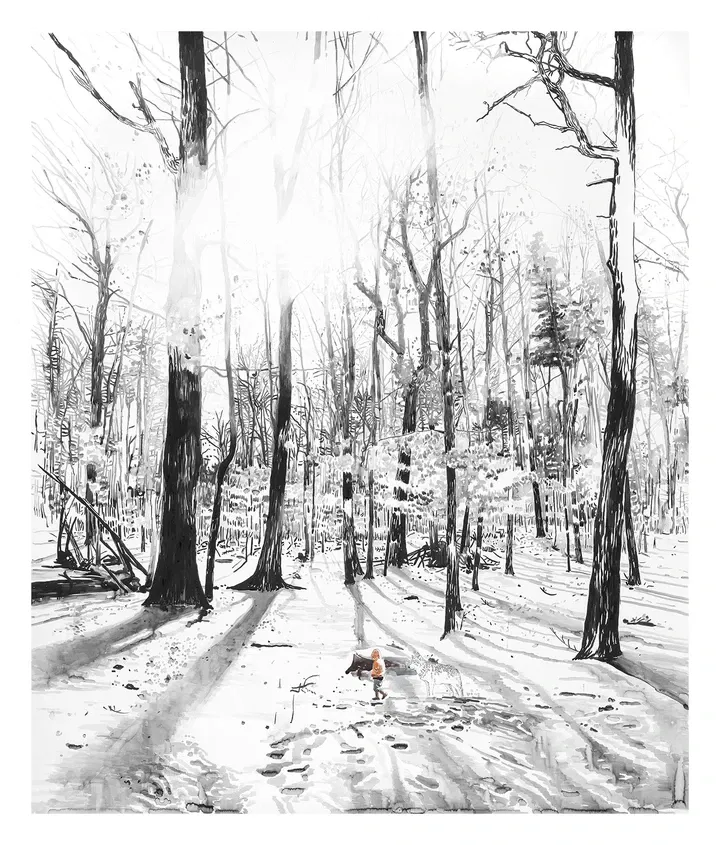
Black Forest II
Malgosia Jankowska
from € 519
2 sizes available
Unfortunately, this artwork cannot be added to the room view.
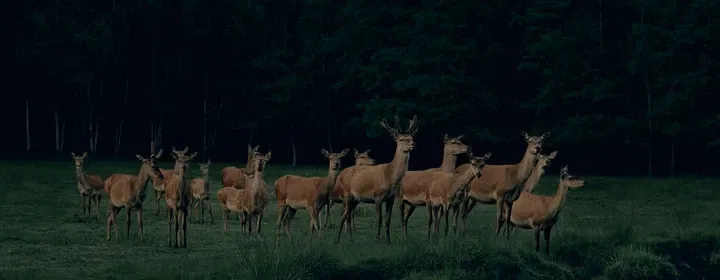
Pride of Deer #2
Frank Stöckel
from € 459
2 sizes available
Unfortunately, this artwork cannot be added to the room view.
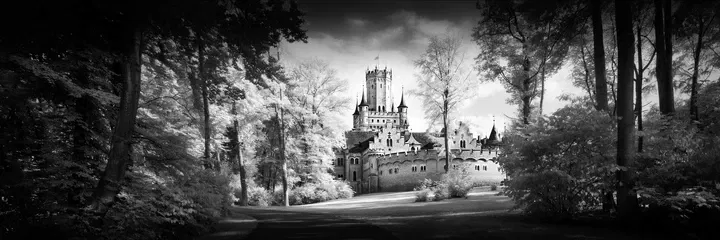
Schloss Marienburg
Wolfgang Mothes
from € 539
3 sizes available
Unfortunately, this artwork cannot be added to the room view.
Romanticism Timeline and Famous Romantic Images
| May 5, 1789 – November 9, 1799 | The French Revolution leads to major social upheaval and violent political conflict that shakes Europe during this time, leaving a lasting impact on life and art. |
| 1802 | The fragmentary novel Heinrich von Ofterdingen by Novalis is published posthumously. Its central motif, the Blue Flower, becomes a symbol of longing and a guiding theme of the entire Romantic movement. |
| 1806 | In Prussia, numerous reforms are introduced following the dissolution of the Holy Roman Empire. These include the liberation of peasants, educational reform, and economic liberalization. |
| 1808–1810 | Caspar David Friedrich paints Monk by the Sea. |
| 1814–1815 | The Congress of Vienna aims to restructure Europe after the Coalition Wars (1792–1815). However, its goal is to restore the pre-1792 order. Conservative powers primarily seek to preserve monarchical sovereignty. |
| 1830 | The famous painting Liberty Leading the People by Eugène Delacroix is created. It depicts the July Revolution in Paris. |
| 1815–1848 | The Biedermeier period runs parallel to Romanticism but focuses on different themes. It idealizes a retreat into the private sphere and the conservative, domestic idyll. |
