SOLD OUT. This edition was super popular and is now completely sold out. Be the first to hear about new artworks and get early access — sign up now and follow the artist.
Manu Grinspan operates within an artistic realm where the analog and digital are not opposing forces but rather fuse into a new kind of visual reality. His series "ArtiFacial" explores the shifting boundaries between reality, art, and…
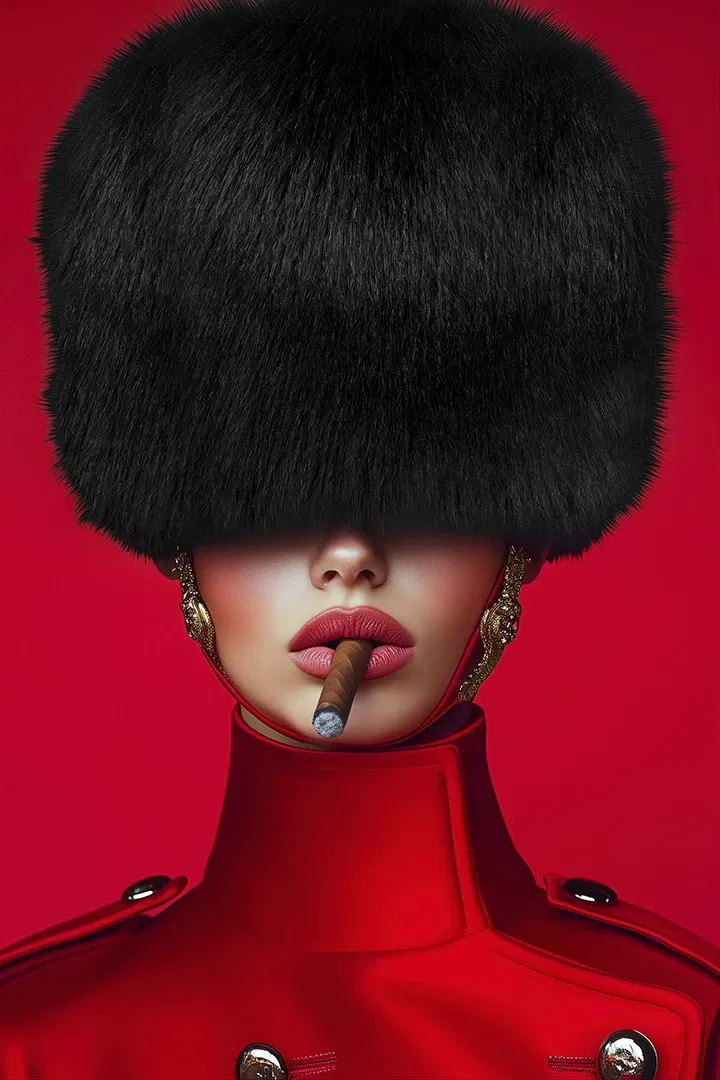
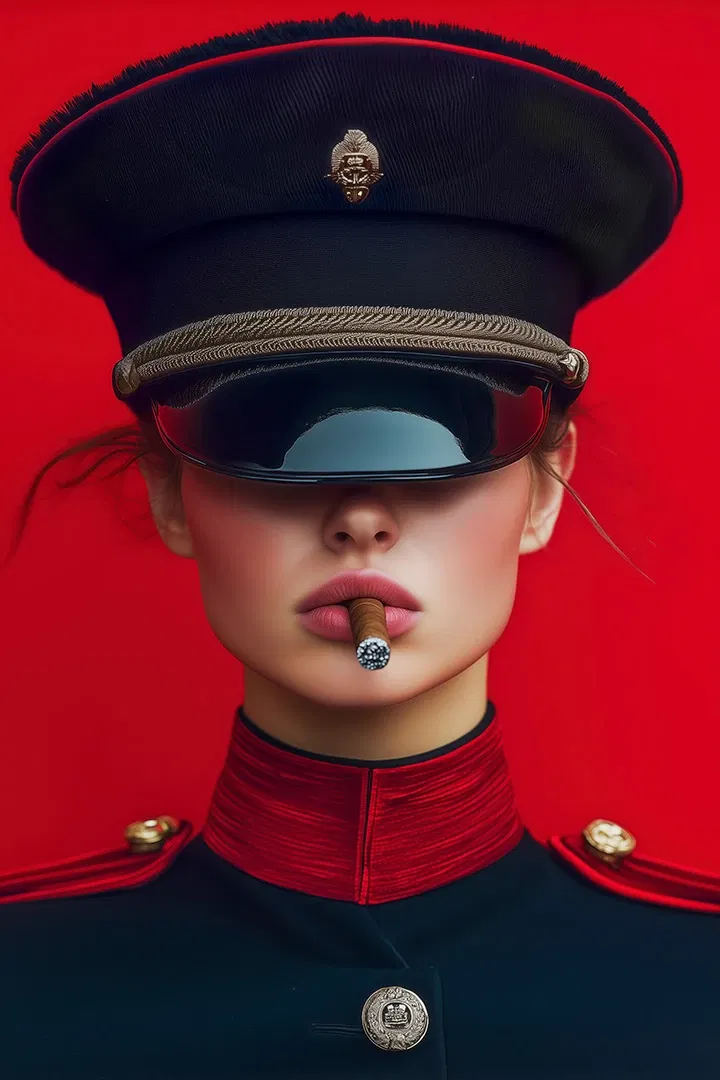
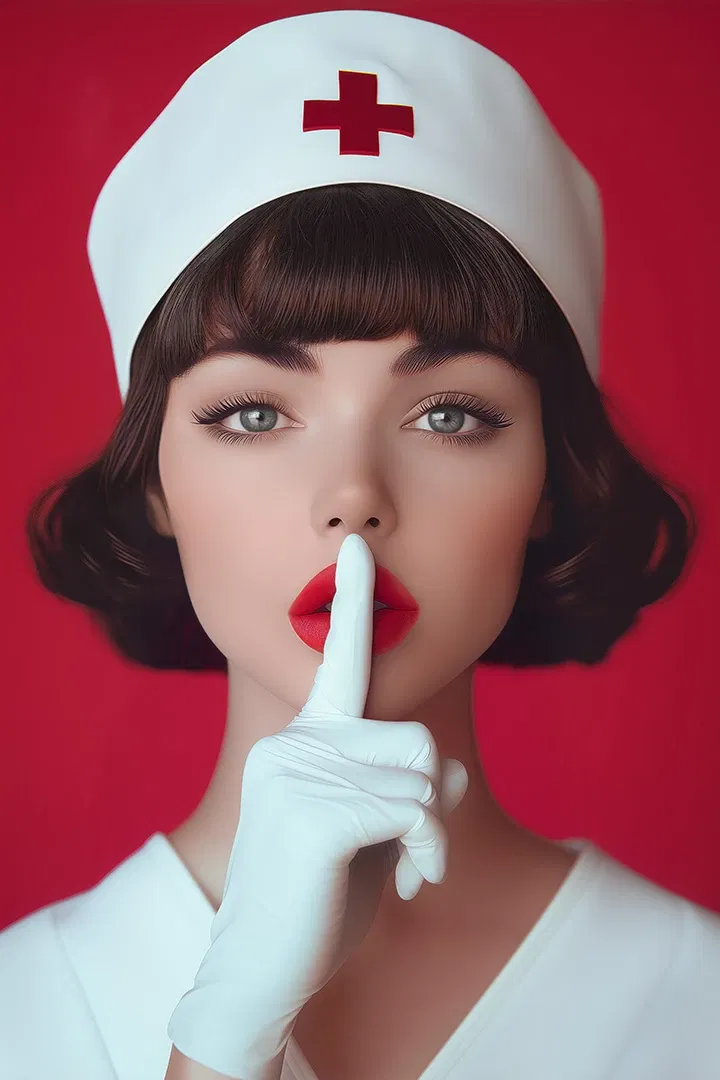
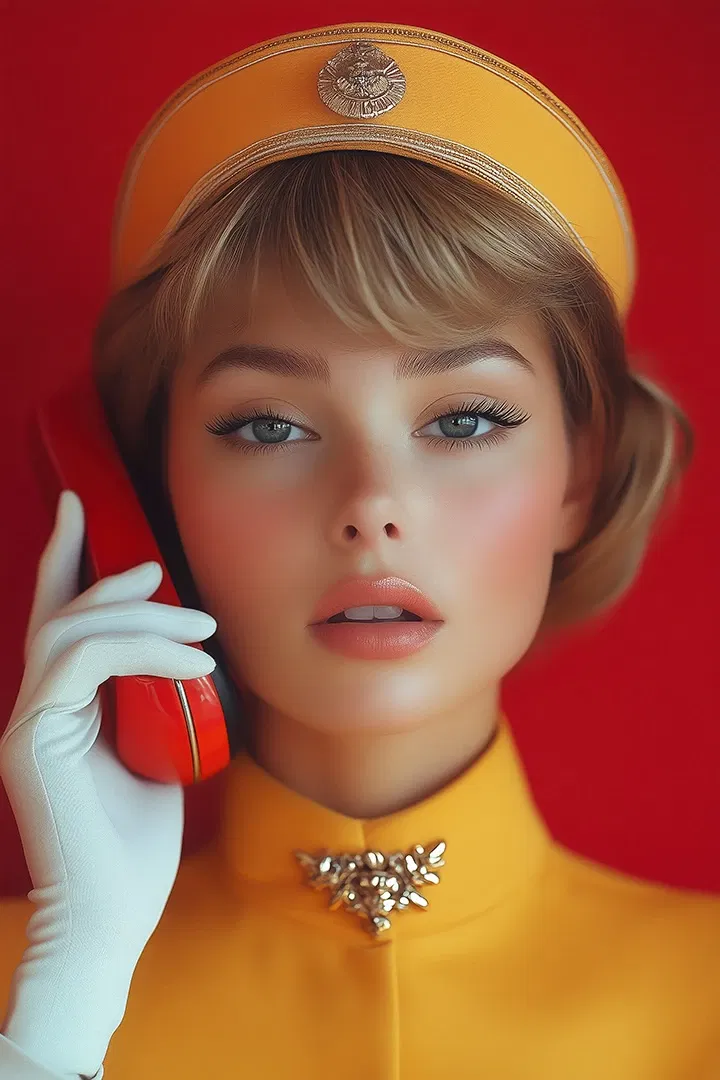
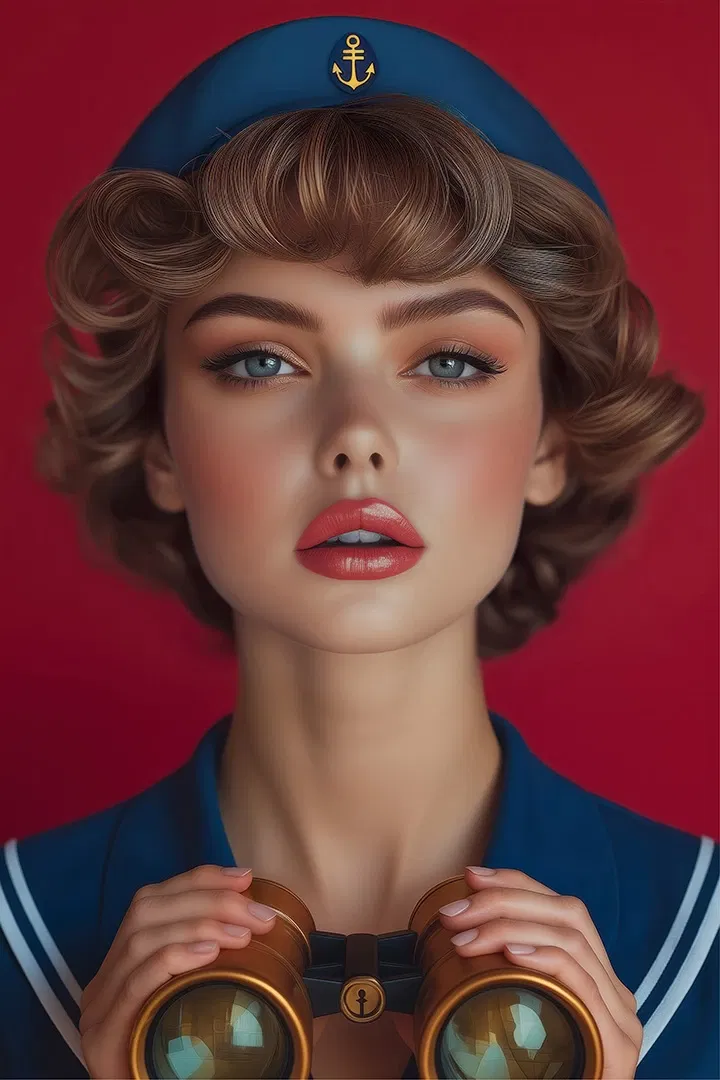
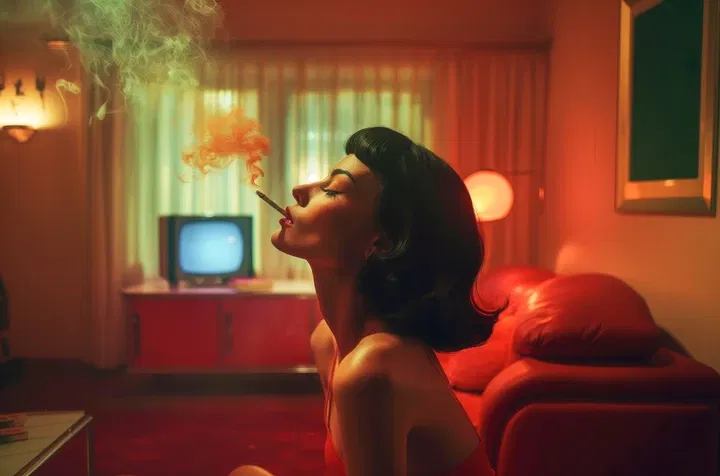
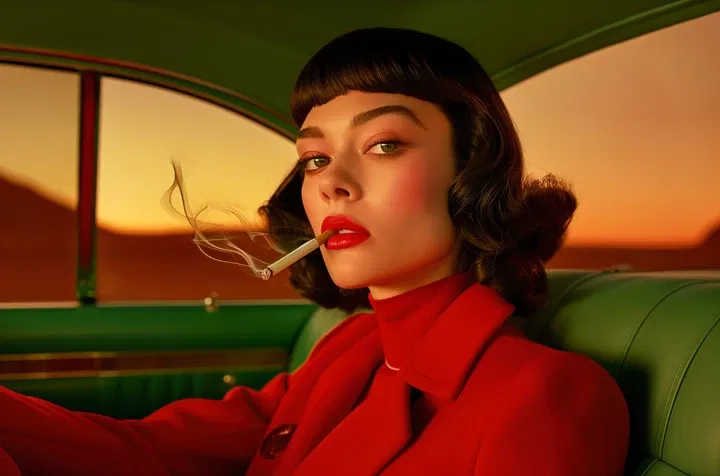
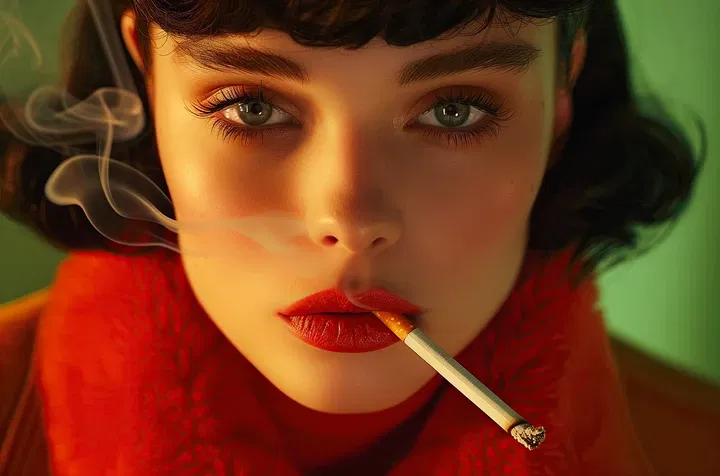
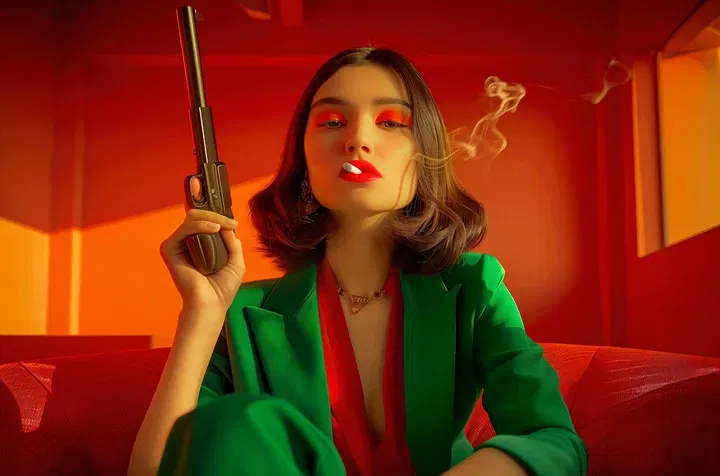
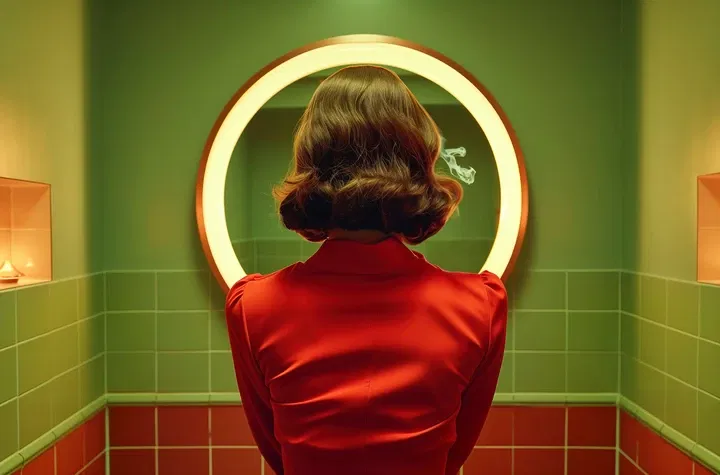
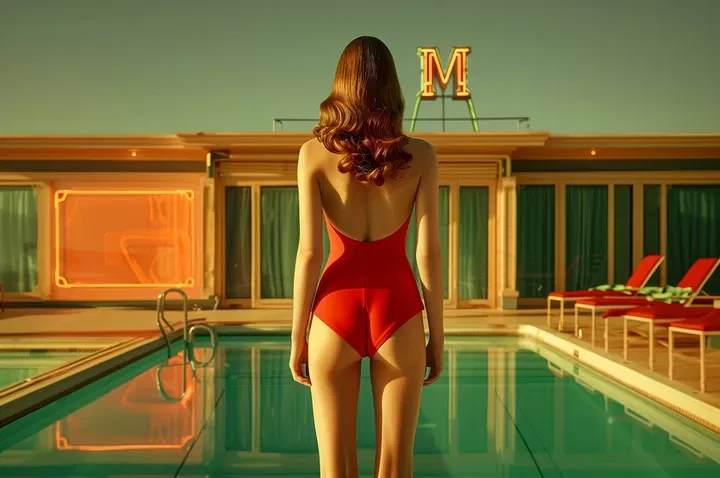
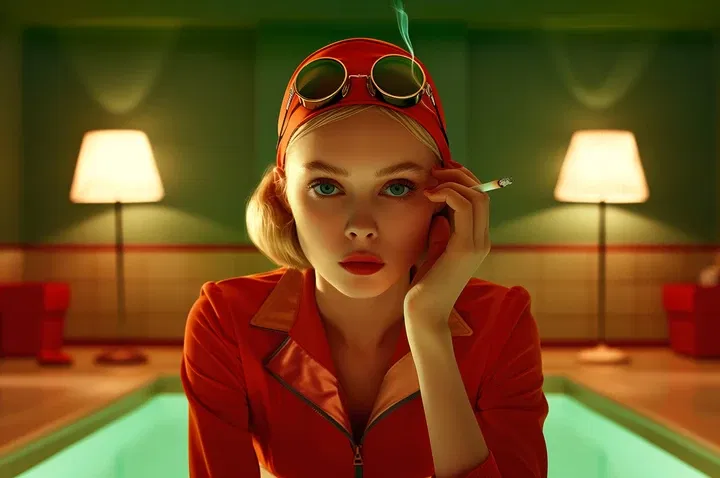
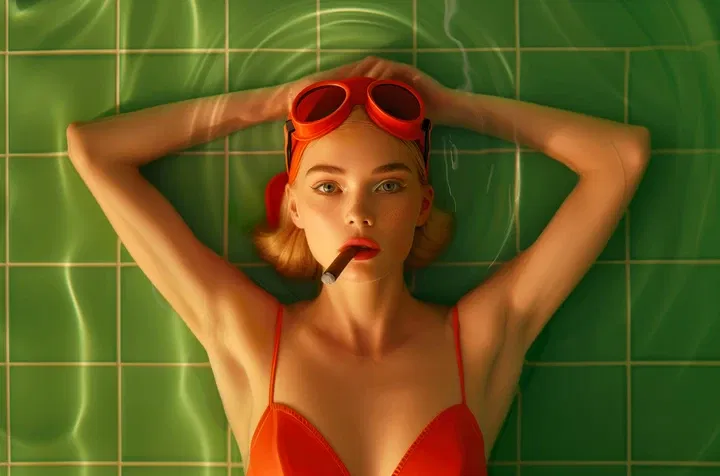
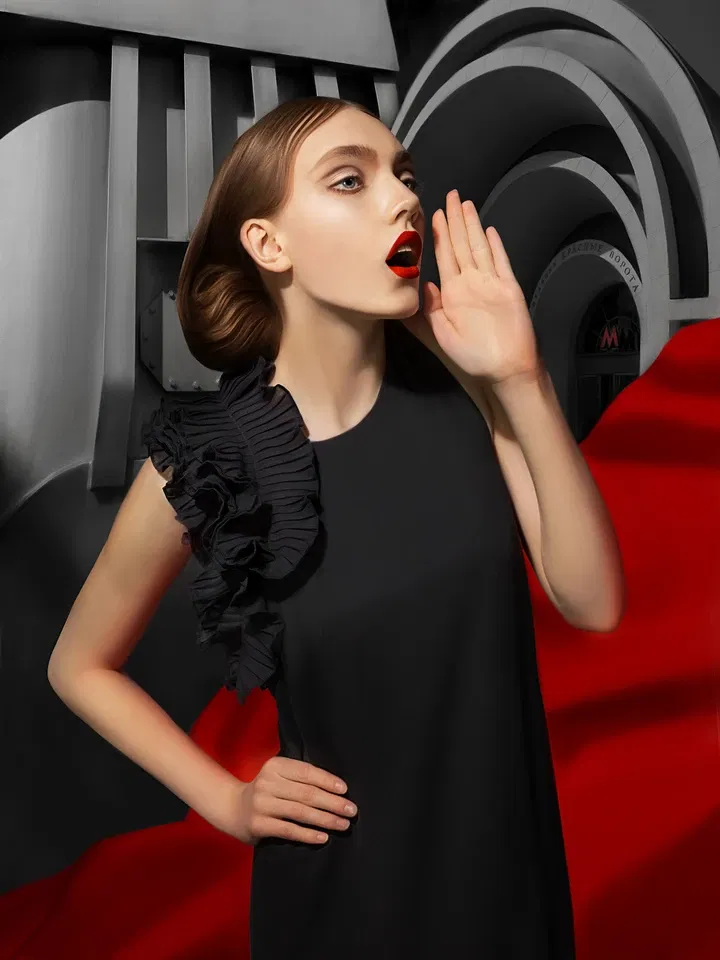
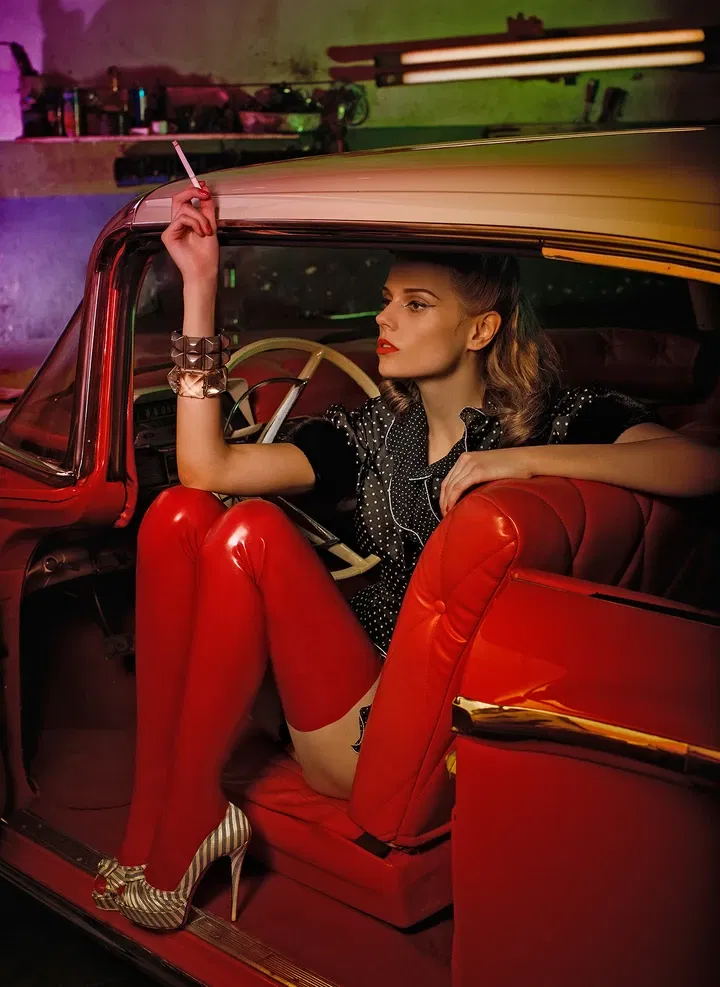
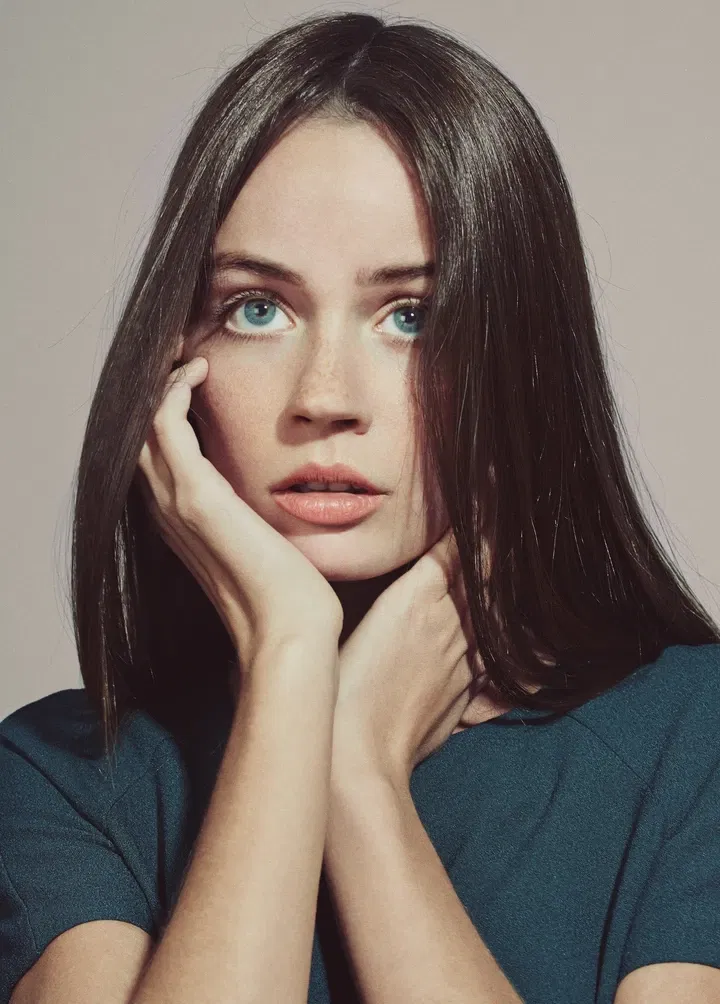
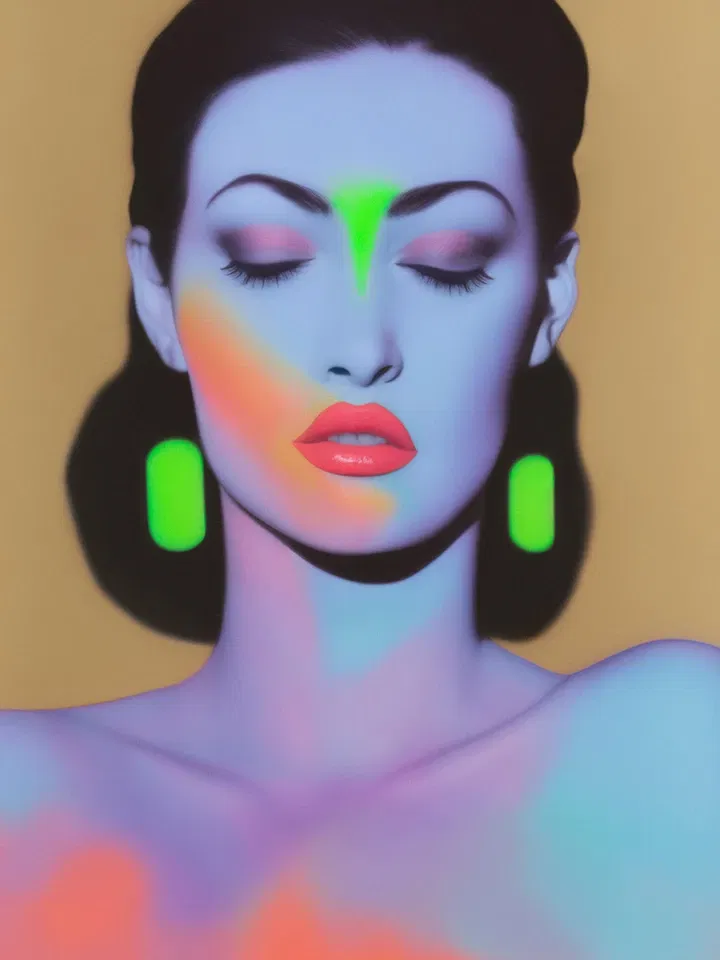
With his unmistakable style—merging pencil sketch and AI—Manu Grinspan’s Élite presents a new vision of female sovereignty: bold, poised, and sensual.
A tribute to self-determination, shaped by the fusion of artistic precision and artificial intelligence.
BACKGROUND INFORMATION
Manu Grinspan operates within an artistic realm where the analog and digital are not opposing forces but rather fuse into a new kind of visual reality. His series "ArtiFacial" explores the shifting boundaries between reality, art, and artificiality, challenging our perception of what is real in an era shaped by technology.
Rooted in photorealistic drawing, Grinspan has cultivated a signature aesthetic—a fusion of classical craftsmanship and digital innovation. Each piece begins with a meticulously executed pencil sketch, a structural foundation that establishes balance and intent. Yet, as artificial intelligence enters the creative process, the composition begins to oscillate: unpredictable distortions, emerging layers, and subtle deviations transform the original vision. It is a dialogue between control and chance, between human intuition and machine-driven intervention.
Color is central to his work—never arbitrary, always intentional. His carefully curated palettes heighten emotion and amplify contrasts, both visually and conceptually. By pairing complementary tones and precise symmetries with atmospheric light and shadow, he constructs a cinematic aesthetic. Like stills from an unknown film, his images radiate a hypnotic tension, as if time has been suspended in a moment of quiet significance. They feel familiar yet distant, hyperreal yet subtly distorted—a visual language reminiscent of René Magritte’s surreal enigmas or Saul Leiter’s evocative color compositions. Echoing the boldness of Helmut Newton, Grinspan’s work cloaks the ordinary in an alluring sense of mystery.
Through the interplay of traditional drawing and digital transformation, his compositions navigate the space between structure and spontaneity, between the precision of a planned vision and the serendipity of artificial intelligence.
The result is an atmosphere that is both captivating and unsettling—where beauty and dissonance coexist, and the line between authenticity and manipulation dissolves. Internationally acclaimed, Grinspan’s work sits at the intersection of sensuality and technology, inviting us to look deeper, to lose ourselves in the details, and ultimately, to question and expand our understanding of reality itself.
With Élite, Manu Grinspan shifts his focus to women who assert themselves beyond conventional roles. Where previous series explored the tension between human and machine, this new body of work turns inward—to questions of self-image and self-determination. Grinspan remains true to his approach: classical pencil sketches form the foundation, digital interventions introduce movement, and AI becomes a partner in composition. Yet here, the core concern is no longer the nature of reality, but the embodiment of autonomy. Uniforms, once symbols of conformity, are reimagined as emblems of inner strength. The cigar, freed from masculine cliché, becomes a quiet gesture of authority. Grinspan stages his protagonists with measured intensity—composed, yet unmistakably present. From red to green, each color field mirrors the stance of the figure: clear, confident, and self-possessed. With Élite, Grinspan takes a decisive step forward—moving beyond artificial tension to a new visual language of female sovereignty.
VITA
Belgian artist Manu Grinspan has gained widespread recognition for his distinctive visual language, which seamlessly merges digital innovation with traditional drawing. His work has earned him numerous awards, including the title as one of the Top 25 Color Photographers by DODHO Magazine. As Artistic Ambassador for National Parks and Nature Reserves, he redefined the visual storytelling of protected landscapes. His 1STREET PROJECT gained viral attention for transforming urban scenes into atmospheric visual narratives. With his latest series, ArtiFacial, he continues to push artistic boundaries, exploring the intersection of hand-drawn artistry and artificial intelligence to expand the possibilities of contemporary image-making.
Exhibitions
Group Exhibitions
2022 Affordable Art Fair, Belgium
2019 "La Délivrante", Belgium
2018 "In the Air", Belgium
INTERVIEW
Picasso once said, “you don’t make art, you find it.” Where do you find your art? I find my art in the simple fact that my mind never stops. From the moment I wake up, I’m always observing—not just looking, but really seeing. It’s not something I try to do; it’s just how I am. My mind is constantly connecting things—light, shadows, sounds, emotions—small details most people might not even notice. Art isn’t something I go looking for. It shows up in fleeting moments: the way a shadow falls on a wall, the brief emotion in someone’s face, or the silence between words. These aren’t just details—they’re starting points, waiting to be noticed and transformed into something more.
From an idea to its materialization: How do you approach your work? My process has three phases: exploration, execution, and post-processing. It starts with a spark—an image, a feeling, or the way light falls. In the exploration phase, I sketch to capture the idea, using drawing as a way to process and refine my thoughts. This isn’t just about outlines; it’s where I explore composition, structure, and mood, letting ideas evolve naturally on paper. Then comes execution, where I refine the concept using photography, digital tools, or AI. This phase is about layering details, adjusting, and experimenting until it feels right. Finally, in post-processing, I focus on color. For me, color is a language—I adjust tones and contrasts to shape the mood and add emotional depth. Each phase builds on the last, blending control with creative discovery. What is your favorite book? Le Petit Prince by Antoine de Saint-Exupéry and My Name Is Asher Lev by Chaim Potok. Le Petit Prince reveals deep truths beneath its simplicity, while Asher Lev reflects the struggles of being an artist, balancing personal expression and societal expectations. Both explore meaning, perspective, and self-expression.
Which artist would you like to have coffee with and what would you discuss? I’d love to have coffee with Edward Hopper, but not in a typical café. I’d choose a place that feels like one of his paintings—simple, quiet, with large windows where the light carves sharp lines and shadows. A place where the atmosphere speaks as much as the people in it. I wouldn’t ask him about techniques or artistic process. I’d be more curious about how he perceived the world—what caught his attention when he walked down a street, what details he noticed that others ignored. I’d want to understand how he decided which moments were worth capturing, and if he felt like he was documenting reality or creating something entirely new.
How did you get into art? I’ve been immersed in art from a young age, starting with classical piano. I was considered a prodigy, which my parents discovered when I was six. I had watched others play the piano, and without any formal training, sat down and played the same pieces by ear. When I started academic music school, I was moved from the first week directly to year five and completed the 10-year program in just five years, graduating with grande distinction. Alongside music, I discovered a passion for hyper-realistic drawing, especially portraits. I became obsessed with capturing every detail—the expressions, the textures, the way light and shadow played on the skin. My goal was to make my drawings so realistic that people couldn’t tell if they were looking at a drawing or a photograph. The process felt like magic to me—starting with something simple and watching it come to life, layer by layer. This deep focus on detail and light naturally led me to photography, where I could capture fleeting moments and emotions in an instant. Photography helped me see the world differently—not just recording reality but interpreting it, finding meaning in light, composition, and atmosphere.
Who are the people in your surroundings that influence you? Two teachers had a big impact on my creative journey. My piano teacher was strict and taught me discipline and structure, while my drawing teacher encouraged me to break rules and explore freely. This balance between control and creative freedom still shapes my work. My parents also influenced me deeply, teaching me resilience and the importance of trusting myself.
Imagine you have a time machine. Where would you go? If I had a time machine, I’d travel to the moment right after creation—to the time of Adam and Eve, the very beginning. There’s something fascinating about starting from scratch, when the world was raw, unformed, and full of potential. It was the moment when humanity had to create, shape, and make sense of everything around them. I’d want to witness the first sparks of creativity—the first marks on the ground, the first shapes carved into stone, the first attempts to express something. What would it feel like to live in a world where nothing existed yet, and you could create anything you wanted? No rules, no traditions—just pure creation. Other than art, what are you most passionate about? I have so many passions that it’s hard to pick just one! I’m passionate about travel, nature, and exploring new cultures—they open my mind and inspire creativity. I’m also fascinated by science, technology, and innovation. I’m curious about how they shape the world around us and influence the way we live, think, and connect. What are you working on right now? Right now, I’m expanding some of my series, exploring new ways to push the boundaries of my work. I’m experimenting with how traditional and digital elements can complement each other, discovering new possibilities in the process. It’s an exciting phase of exploration, and while I’ll keep the details a surprise for now, I can say—it’s coming soon, and it’ll be worth the wait.
LUMAS ART NEWS
Exclusive offers
Inspiring new releases
Personal invitations to Art Events
LUMAS protects your data. See our Privacy Policy for details.
ALMOST DONE ...
1. Open the confirmation mail.
2. Click on the confirmation link.
3. Your wishlist registration was successful!
4. Your wishlist has been saved!
We look forward to welcoming you soon to the world of LUMAS.
DIGITAL PREVIEW
SCAN THE QR CODE! (Safari IPHONE ONLY)
PREVIEW ON YOUR WALL
SCAN THE QR CODE! (Safari IPHONE ONLY)
90% of our customers order mounting or framing for a perfect gallery look.
Fully protected by our 30 day return policy.
Ready to Hang.
Elevates the artwork to true gallery quality.
Continue without mounting or framing?
* Rolled prints are final sale and cannot be returned or retrofitted with our frames




 About Manu GrinspanManu Grinspan operates within an artistic realm where the analog and digital are not opposing forces but rather fuse into a new kind of visual reality. His series "ArtiFacial" explores the shifting boundaries between reality, art, and…